Categories
Coconut Sugar

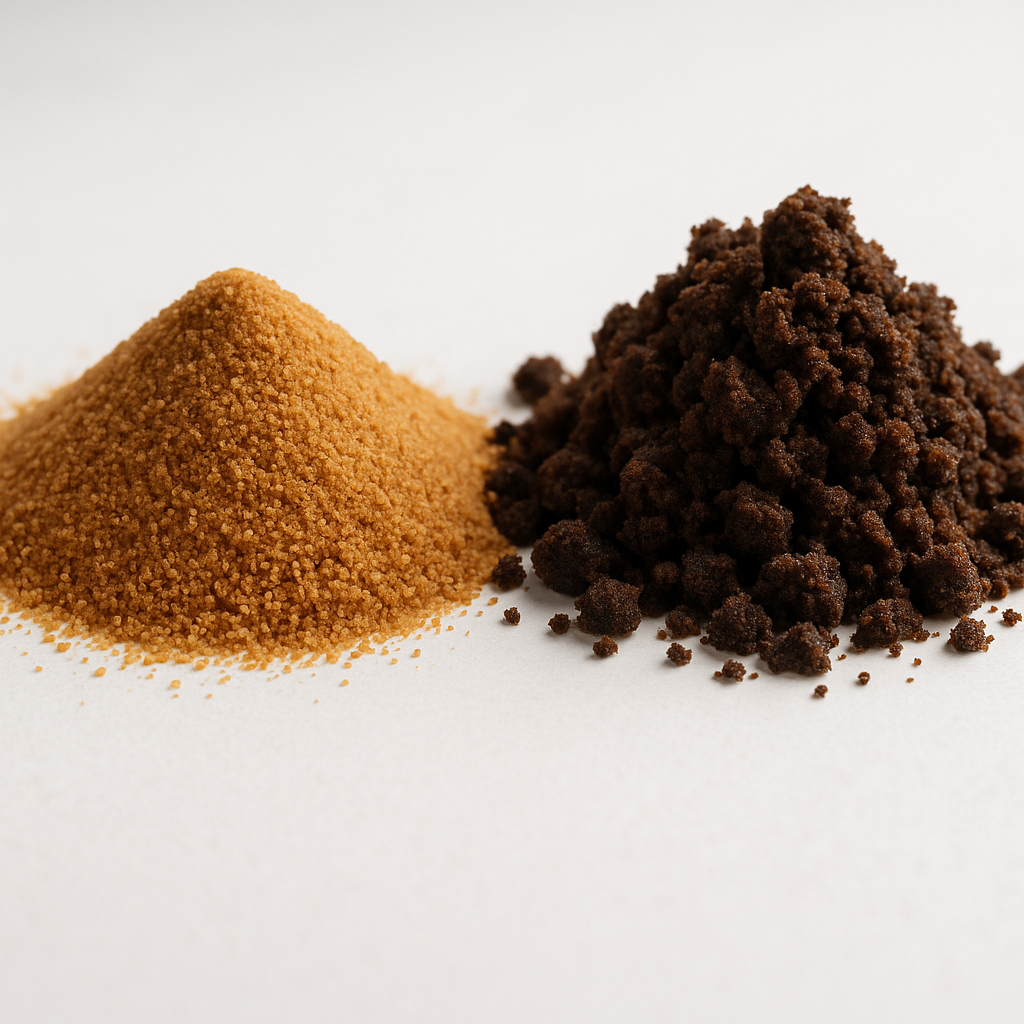
Reducing Excess Browning in Coconut Sugar: Reaction Pathways, pH/mineral effects, and process levers (time–temperature–brix)

Table of Contents The Role of Sap pH and Buffering Capacity Mineral Catalysis and Ash Content Optimization of Thermal Processing Parameters Concentration Dynamics and Brix Management Integrated Strategies for Quality Standardization The Bottom Line Reducing Excess Browning in Coconut Sugar starts with understanding that color isn’t random—it’s the predictable outcome of specific chemical pathways. Sap […]

Categories
Coconut Sugar

Detecting Cane Sugar Addition in Coconut Sugar: Carbon Isotope Ratios Explained

Table of Contents Photosynthetic Pathway Differences Create Distinct Carbon Signatures Isotope Ratio Mass Spectrometry Quantifies Carbon-13 to Carbon-12 Ratios Sample Preparation Through EA-IRMS or HPLC-IRMS Configurations Mixing Models Calculate Adulteration Percentages Using Binary Equations Regulatory Standards and Official Methods Validate Detection Protocols Economic Drivers Make Isotopic Testing Cost-Effective for Premium Markets Emerging Techniques Combine Isotopic […]

Categories
Coconut Sugar

Batch-to-Batch Flavor Variation in Coconut Sugar: What Causes Inconsistency

Table of Contents Raw Material Variability: The Botany of Coconut Sap Harvesting Practices and Sap Collection Timing Thermal Processing and the Maillard Reaction Processing Equipment and Heat Distribution Post-Production Storage and Environmental Factors Quality Assurance and Standardization Protocols What It Comes Down To It’s a familiar frustration: the same brand of coconut sugar tastes noticeably […]

Categories
Coconut Sugar

Umami and Savory Notes in Coconut Sugar: The Amino Acid Connection

Table of Contents The Chemical Composition of Coconut Sap The Amino Acid Profile: Defining the Umami Base Coconut Sugar vs. Refined Sweeteners Culinary Applications of Savory-Sweet Profiles Nutritional and Metabolic Implications The Takeaway The Chemical Composition of Coconut Sap Coconut sugar’s flavor starts long before it’s sugar—with the sap itself. This surprisingly complex liquid sets […]

Categories
Coconut Sugar

Water Activity in Coconut Sugar: Why aw predicts mold/yeast risk better than moisture %

Table of Contents Defining the Metrics: Moisture Content vs. Water Activity Why Moisture Percentage Falls Short as a Risk Predictor Critical Water Activity Thresholds for Fungal Growth Precision Measurement in Quality Control Practical Implications for Storage and Packaging The bottom line International sugar testing standards recognize the critical importance of water activity measurements for quality […]

Categories
Coconut Sugar

Glass Transition of Coconut Sugar: The real reason it cakes in humid climates (and how to engineer around it)

You see, the Glass Transition of Coconut Sugar is a critical factor in its behavior.

Categories
Coconut Sugar

Reducing Excess Browning in Coconut Sugar: Reaction Pathways, pH/mineral effects, and process levers (time–temperature–brix)

Fundamental Reaction Pathways in Coconut Sap Browning Coconut sap browning involves complex non-enzymatic reactions. You will find Maillard reactions, driven by amino acids and reducing sugars, and caramelization of sucrose contribute significantly to the color and flavor profiles. Understanding these pathways is key to reducing excess browning in coconut sugar. Maillard Reaction Kinetics and Amadori […]

Categories
Coconut Oil

Caramelization vs Maillard in Coconut Sugar: How to Tell Which Pathway Dominated

Coconut palm sap contains sugars and amino compounds driving Caramelization vs Maillard in Coconut Sugar, influencing flavor formation and browning during processing

Chat Us