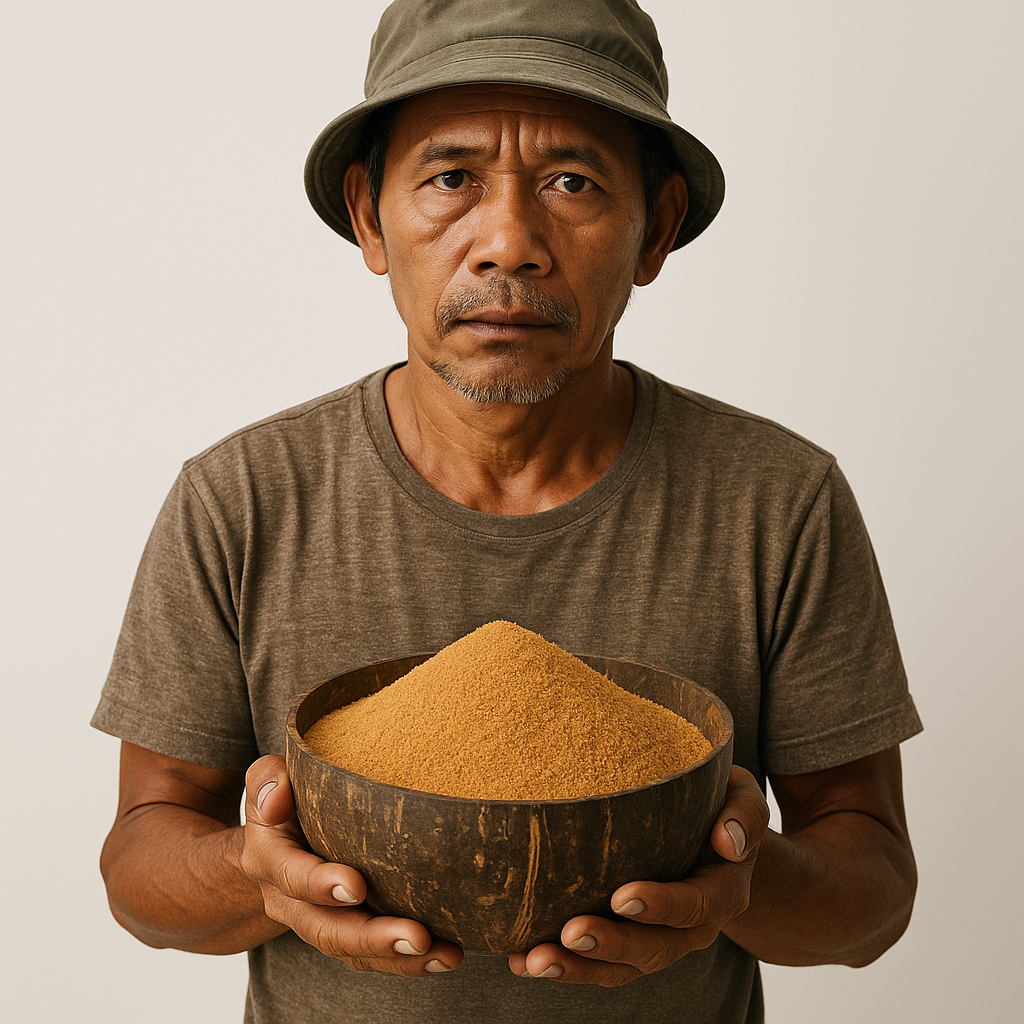
Growing coconut sugar without synthetic inputs doesn’t automatically mean a farm is certified organic—and that gap is exactly where the trouble starts for smallholder producers. Paperwork, fees, and unclear standards trip up plenty of farmers, and the struggle hits hardest at small scale, with limited resources to throw at the problem. The Organic Certification Challenges for Smallholder Coconut Sugar Producers are real and immediate.
Certification isn’t just about proving good methods—it’s about surviving the process itself. The hurdles range from bureaucratic delays to third-party audits that feel completely out of touch with rural realities.
And yet, without certification, access to premium markets stays blocked. That’s the hard truth underneath all of this.
Getting past these Organic Certification Challenges for Smallholder Coconut Sugar Producers isn’t just about compliance—it’s about fairness, transparency, and survival in a global market that demands proof, not promises.
Why I think the paperwork is the biggest hurdle
There’s been a lot of talk about pushing small farms toward organic certification—great in theory, but for smallholder coconut sugar producers, the reality hits hard. The sheer volume of paperwork required doesn’t just slow things down; it often stops the process altogether. The problem becomes painfully clear when staring at stacks of forms in a language barely understood. This isn’t just bureaucracy—it’s a barrier built for big agribusiness, not family farms.
Keeping track of every single tree is exhausting
Counting every coconut tree on a plot of land sounds simple until knee-deep in mud, sweat, and mosquitoes. Farmers are expected to log each one—its age, location, yield—as if they’ve got a team of agronomists on payroll. This level of detail feels less like farming and more like filling out a tax audit. It’s not just tedious—it’s unrealistic.
Dealing with forms that just don’t make sense
Ever look at a form and think, “What on earth are they asking for?” That’s the daily reality when applying for certification. Questions seem designed for industrial farms, not small plots where everyone knows each other’s harvest cycles. It’s not just about effort—it’s about relevance. These forms feel like they were copied from another planet.
One form asked for the GPS coordinates of each tree—manually. No app, no tool, just a blank table and a dream. Another wanted proof of soil tests done six months prior, but the nearest lab is a 12-hour bus ride away. The disconnect isn’t accidental. These requirements assume access to resources most smallholders simply don’t have. The whole system gets amplified into something alienating when it ignores that reality. Traditional production methods often lack the digital infrastructure to meet modern documentation standards.
Can we talk about the tech gap for a sec?
Meeting these standards with tools from the last century is a tall order. Most smallholders don’t have access to digital record-keeping, moisture analyzers, or even reliable internet—yet they’re expected to comply with the same standards as industrial farms. It’s like being asked to run a marathon with one shoe. This study digs into just how uneven the playing field really is: [source].

Why shared tools are actually a huge risk
Sharing equipment with non-certified producers puts organic status in jeopardy. Even a small trace of synthetic residue from a neighbor’s batch can disqualify an entire harvest. Responsibility doesn’t stop at one’s own practices—it extends to everyone else using that same evaporator pan or collection bucket. One slip, and months of work go up in smoke. Equipment used for processing needs the same level of scrutiny as the raw materials themselves.
Keeping the sap clean without fancy gear
No high-tech labs are needed to keep sap clean—just discipline and timing. The moment that sap hits the container, it starts fermenting. There are hours, not days, to process it. Cover it, keep it cool, and avoid contamination from dirty hands or reused jugs. It’s low-cost, but it demands constant attention.
Because temperature and hygiene directly impact microbial growth, the best tools are clean cloths, shade, and speed. Storing sap in clay pots slows fermentation—they breathe better than plastic. Skimming foam early puts a farmer ahead of the game. None of this is flashy, but it’s effective, and absolutely necessary when purity is the thing on the line. One lapse in sanitation can trigger a failed inspection, so daily habits become the real certification shield. It’s not just about making sugar—it’s about guarding its integrity, every single step. That’s how compliance happens without a lab on-site. The obstacles don’t disappear, but they become manageable when every container gets treated like a checkpoint.
My take on why cooperatives are a lifesaver
Cooperatives change the game for smallholder coconut sugar producers facing these hurdles. By pooling resources, farmers reduce individual costs and gain collective strength—nobody’s going it alone anymore, and that makes all the difference. This works in practice, as shown through [source].
Sharing the load with the neighbors
Working together means no one has to shoulder every step of certification alone. Neighbors handle soil testing while others manage documentation—teamwork that cuts through the red tape. This shared effort makes the whole process feel far less overwhelming. The Organic Certification Challenges for Smallholder Coconut Sugar Producers become more manageable when distributed across a community.
Getting a better price as a group
Bargaining power increases when selling as a collective. Buyers take a group more seriously when orders come in bulk from a unified cooperative. That leverage translates directly into higher returns, helping justify the effort behind certification.
When farmers join forces, buyers can’t lowball them the way they might with isolated growers. Certification costs money and time—but when returns go up because a cooperative commands fair pricing, the math starts working in everyone’s favor. Suddenly, meeting these standards isn’t just possible—it’s profitable. Cooperatives open access to export channels and premium markets that would otherwise slam the door on individual smallholders. It’s not just about fairness—it’s survival in a global market that rarely looks out for farmers. Community-based production models have proven their value in similar coconut-processing contexts.
What’s the point if you can’t find a buyer?
Jumping through every hoop—organic certification, fair labor practices, sustainable harvesting—and the coconut sugar still sits in storage. All that effort means nothing if no one’s buying. The truth is, certification alone won’t open doors. The challenge doesn’t end at compliance; it shifts to visibility, access, and connection. Without a market, farming happens in the dark.

The struggle of reaching the big markets
Big buyers want volume, consistency, and paperwork—things small farms often lack. High-quality organic sugar can end up stuck in local loops while international shelves stock similar products from larger cooperatives. Distance, logistics, and lack of direct contacts keep smallholders out. The challenge isn’t just meeting standards—it’s being seen by those who matter.
Why middle-men honestly make things harder
They show up promising fair prices and global connections, but what farmers get is a fraction of the market value. Middle-men take control of the supply chain, leaving producers with little say and even less profit. They exploit the gap between farmer and buyer, and the squeeze gets worse the further the product travels.
Months go into preparing for audits, adjusting farming methods, and documenting every step—only for a trader to resell that certified sugar at triple the price. They don’t invest in the farm, the community, or its sustainability. They just move the bag and take the margin. And here’s the kicker: buyers often don’t even know the original farmer exists. They think they’re supporting smallholders, but the system hides producers behind layers of resale. This isn’t just about farming—it’s about fairness. Without direct access, the Organic Certification Challenges for Smallholder Coconut Sugar Producers become a burden, not a benefit. Doing everything right doesn’t guarantee the rewards land in the right hands. That’s not sustainability. That’s extraction. Market equity has to be part of the equation, or the whole process is just performative.
Is the certification process just broken?
There’s been plenty of talk about ethical, sustainable coconut sugar—and how small farmers get left behind. The truth is, the system wasn’t built for them. These obstacles aren’t just hurdles—they’re roadblocks disguised as standards. Jump through every hoop, pay every fee, and the treatment still feels like not belonging.
Why the current rules aren’t fair for small farms
Smallholders often farm less than two hectares, relying on family labor and traditional methods. Yet the certification process demands paperwork, fees, and audits that feel like scaling a mountain in flip-flops. The root problem is a one-size-fits-all model that ignores scale, context, and reality. Farms get expected to comply like a multinational, without the budget—or the staff—to match. Issues around product purity and authenticity testing add another layer of complexity.
Better ways to support the little guys
Group certification could be a game-changer—farmers banding together to share costs and audits. Participatory Guarantee Systems (PGS) let communities vouch for each other’s practices, cutting red tape. These barriers shrink when trust and local knowledge count as much as paperwork. No consultant is needed to know a plot of soil is chemical-free.
Picture a system where local cooperatives manage their own verification, backed by photo logs, community oversight, and blockchain-tracked batches. This isn’t fantasy—it’s already working in parts of Indonesia and the Philippines. These models reduce costs, speed up approval, and keep power in the hands of farmers. The Organic Certification Challenges for Smallholder Coconut Sugar Producers fade when the system stops treating small farms like failed corporations and starts seeing them as what they are—resilient, rooted, and ready. The farmers have been doing it right all along. It’s the system that needs to catch up. None of this disappears overnight—but it doesn’t have to define the future either. Maintaining product quality standards shouldn’t require impossible resources.
What Needs to Change Next
The struggles facing smallholder coconut sugar producers aren’t going away—small farms still face costs, paperwork, and limited access to certifiers. One missed form, one delayed lab test, and a whole batch gets rejected. The pressure hits hardest when buyers demand proof but won’t pay extra for it. Compliance gets expected, yet support stays thin.

And that’s the real issue—the Organic Certification Challenges for Smallholder Coconut Sugar Producers aren’t just logistical, they’re economic and systemic. Training helps, but without funding, the system keeps locking out the very farmers who grow the cleanest crops. Addressing concerns like product consistency and food safety parameters requires investment in both education and infrastructure. Policy reform must include pathways that acknowledge traditional knowledge, reduce bureaucratic burden, and create equitable market access for those who steward the land responsibly.