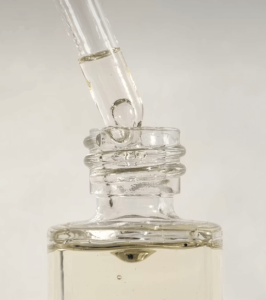
When buying MCT oil in bulk, the product specification alone does not tell the whole story. Two MCT oils may both contain medium-chain triglycerides, yet...
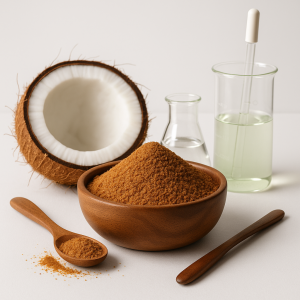
MCT Oil: Understanding C8, C10, Purity, and Quality Factors
Choosing MCT oil for food, nutrition, cosmetic, or other formulations requires more than checking whether a product is labeled “MCT.” Different products can contain different...
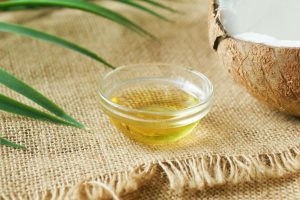
RBD Coconut Oil: Understanding Lovibond Color and Oil Purity
When manufacturers evaluate refined coconut oil, appearance often provides the first visible indication of quality. However, a lighter-looking oil does not automatically mean better oil....

Desiccated Coconut: Choosing the Right Grade for Food Products
Choosing the right coconut grade can make a noticeable difference to a food product. A particle size that works well in a bakery filling may...
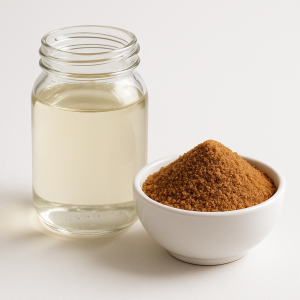
RBD Coconut Oil: How FFA Levels Affect Taste and Shelf Life
For food manufacturers, a small change in the quality of an incoming oil can create problems later in production. Changes in taste, odor, storage behavior,...
RBD Coconut Oil: How Processing Impacts Color and Stability
Manufacturers often expect refined coconut oil to look and perform consistently from one batch to another. Yet changes in raw materials, processing conditions, color, oxidation,...
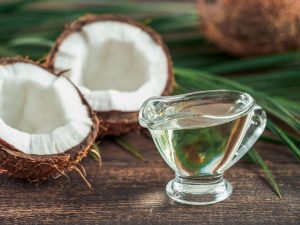
RBD Coconut Oil: Why Low FFA Matters for Product Quality
When sourcing coconut oil for food manufacturing, one specification deserves particular attention: free fatty acids (FFA). A supplier may offer refined coconut oil with an...
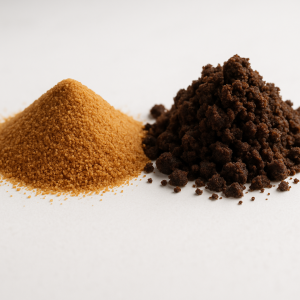
Coconut Sugar: Key Quality Factors for Food Manufacturers
Food manufacturers need more than a naturally sweet ingredient when sourcing coconut sugar. Variations in moisture, color, texture, flavor, and processing can affect formulation, production...

MCT Oil: Why C8 and C10 Content Matters to Manufacturers
When manufacturers source MCT ingredients, the label “MCT oil” does not tell the full story. Two products can both qualify as MCT oil while containing...
RBD Coconut Oil: Quality Standards Buyers Should Understand
Buying refined coconut oil for food manufacturing involves more than checking whether a supplier describes the product as “food grade.” Manufacturers need measurable specifications that...
RBD Coconut Oil: Key Quality Factors for Food Manufacturers
Food manufacturers need more than a coconut oil that simply meets a basic specification. The raw material must perform consistently during processing, storage, and formulation....
RBD Coconut Oil: Understanding Refining, Purity, and Quality
Choosing the right coconut oil for food manufacturing or industrial applications is not simply a matter of finding a supplier. Buyers need to understand how...
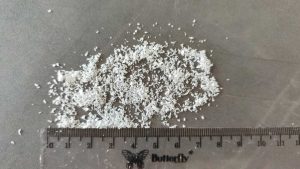
Desiccated Coconut: What Buyers Should Check Before Purchasing
Buying desiccated coconut in bulk can look straightforward until differences in particle size, moisture, oil content, color, flavor, and microbiological quality start affecting production. A...

MCT Oil: Key Quality Parameters Every Bulk Buyer Should Know
Buying MCT oil in bulk requires more than checking the product name and confirming the quantity available. A supplier may offer an ingredient described as...
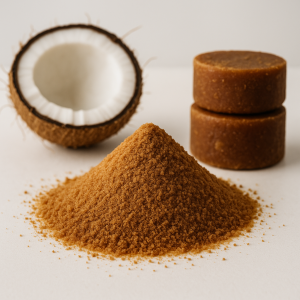
Coconut Sugar: What Buyers Should Know Before Sourcing in Bulk
Sourcing coconut sugar in bulk requires more than finding a supplier with sufficient stock. Differences in moisture, color, particle size, flavor, processing, documentation, and batch...
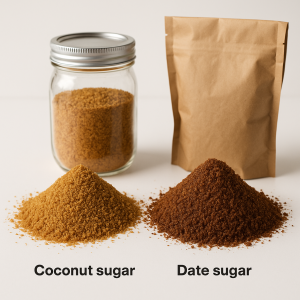
Coconut Sugar: How Processing Shapes Its Quality and Flavor
Coconut sugar can look like a simple ingredient, but its quality and flavor depend heavily on what happens between coconut sap collection and the finished...
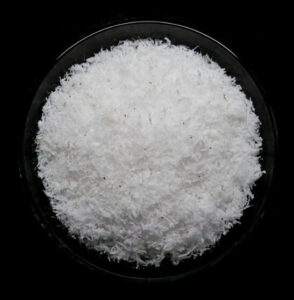
Desiccated Coconut: How Processing Affects Moisture and Quality
For food manufacturers, buying desiccated coconut with the right moisture specification is only the beginning. The way coconut moves through preparation, shredding, drying, screening, and...
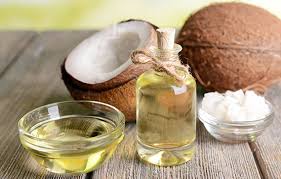
RBD Coconut Oil: From Crude Oil to a Refined Food Ingredient
For food manufacturers, the quality of coconut oil depends on much more than its origin. The condition of the raw material, extraction method, refining stages,...
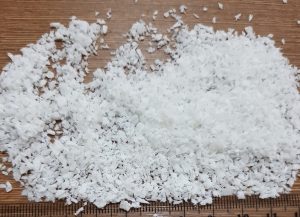
Desiccated Coconut: Key Quality Factors for Food Manufacturers
Buying desiccated coconut for commercial food production requires more than choosing the right particle size or coconut origin. Manufacturers also need consistent moisture, oil content,...

MCT Oil: Choosing the Right Composition for Food Applications
Choosing an MCT ingredient for a food product is not simply a matter of finding an oil labeled “MCT.” Different products can contain different proportions...
Aflatoxin in Coconut: Risks, Testing, and Quality Control
For B2B buyers of coconut ingredients, food safety can be just as important as fat content, particle size, color, or moisture. One of the quality...
Desiccated Coconut Supplier Indonesia: How to Choose One
Choosing a coconut ingredient supplier can become difficult when several companies offer similar products, specifications, and export services. For B2B buyers, the wrong choice can...
Yield vs Purity in Medium-Chain Triglycerides (MCT): Why “60/40” C8/C10 Recovery Drops When You Tighten Specs
Table of Contents What’s the deal with the 60/40 split anyway? The tug-of-war between yield and purity What’s really happening inside the distillation column? My...

What Is a Surfactant? Coconut-Based Options for B2B Buyers
Many industrial formulations contain ingredients that consumers rarely notice but manufacturers cannot work without. Surfactants are one example. They help liquids spread, oils interact with...