
Coconut oil market it’s quite shocking—supposed to hit around $7.6 billion by 2029, which is wild, considering it was sitting at $5.5 billion just a few years before. And get this—everyone’s on the hunt for greener ways to make stuff like PVC less toxic. Enter Epoxidized Coconut Oil. Basically, it’s this eco-friendly plasticizer made from stuff that actually grows back, not some sketchy chemicals.
As awareness regarding environmental impacts grows, researchers and manufacturers are increasingly turning to ECO to both enhance product performance and support greener production methods, paving the way for a more sustainable future in PVC applications.
Table of Contents
The Chemistry of Epoxidized Coconut Oil: A Green Alternative

Epoxidized Coconut Oil (ECO) , basically, it’s this eco-friendly plasticizer made from, you guessed it, coconut oil. They jazz it up through this thing called epoxidation—yeah, science talk—which just means they toss in these oxirane groups that make the whole thing play nicer with stuff like PVC. What’s cool? You still get all the slick, slippery benefits you’d expect from your usual plasticizers, except this one’s actually stable and way easier on the planet.
- The Epoxidation Process: Transforming Coconut Oil
The epoxidation process involves the reaction of coconut oil with peroxide compounds, typically using hydrogen peroxide in the presence of an acid catalyst. This reaction forms the epoxy groups that enhance the oil’s functionality, making it suitable for use in PVC formulations. The extent of epoxidation can be tailored to achieve specific characteristics, optimizing ECO’s performance in various applications while promoting its eco-friendly nature.
- Chemical Properties and Benefits for PVC Plasticization
ECO’s got some serious game as a plasticizer for PVC. It just meshes well—like, high compatibility, barely evaporates, so you don’t end up with that gross off-gassing. Makes PVC way easier to work with and a heck of a lot bendier, but it doesn’t wreck the strength. Plus, unlike those sketchy old-school phthalates, ECO’s biodegradable and comes from stuff that actually grows back.
So, ECO got this chemical setup that actually cranks up things like heat resistance and keeps UV rays from wrecking your PVC stuff so fast. Basically, it helps PVC last way longer. No more crumbling garden hoses after one summer. And also it cuts down on plasticizer sneaking out and blends in better with the mix, manufacturers can make tougher, longer-lasting products without getting slapped by all those eco-regulations. It’s like a win for both durability and keeping the green police off your back.
PVC Plasticization: Benefits and Challenges of Traditional Methods
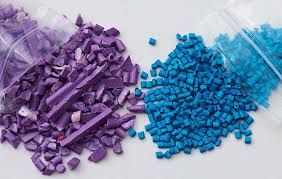
You know, the usual way people soften up PVC is by tossing in phthalates and a bunch of other synthetic junk. Sure, it makes the stuff bendier and tougher, but honestly, it’s got some pretty ugly side effects. Most of these plasticizers come straight outta oil, so you’re already starting off on the wrong foot environmentally. Plus, they don’t even stick around—these chemicals have a bad habit of seeping out, messing up the soil and water.
- Conventional Plasticizers and Their Environmental Impact
Phthalates suspects when it comes to plasticizers that could be a nightmare for business. They just stick around in the environment forever, like that one weird smell in your old gym bag that refuses to die. And it’s not just about litter; these little troublemakers mess with hormones in people and animals. Studies indicate that up to 50% of phthalates used in PVC products can leach out, causing widespread ecological harm and raising concerns over human exposure.
- Regulatory Pressures and Industry Response
In recent years, regulatory authorities have increasingly scrutinized the use of traditional plasticizers due to their potential health impacts. In response, the PVC industry has started to shift towards safer alternatives, with numerous manufacturers exploring bio-based plasticizers, like epoxidized coconut oil, which offer comparable performance without the negative environmental footprint associated with their predecessors.
With all the new rules flying around, manufacturers are basically forced to rethink how they mess with plastics. The EU’s REACH thing (and a bunch of copycat rules elsewhere) has kicked a bunch of nasty phthalates to the curb—so yeah, companies can’t just keep doing business as usual. Now everyone’s scrambling to cook up new, less toxic plasticizers that won’t get them slapped with a hefty fine.
So, a bunch of folks are chasing after renewable stuff now—think plants, not plastic—’cause, well, the planet’s kinda screaming for help. Everybody wants that green stamp of approval, right? Not just ticking some boring compliance box, but actually cashing in on the whole eco-friendly vibe. This shift not only addresses compliance issues but also opens avenues for eco-friendly branding and potential market advantages in an increasingly environmentally conscious marketplace.
Epoxidized Coconut Oil: Performance as a Plasticizer

Epoxidized Coconut Oil (ECO) is kinda underrated when it comes to making PVC less stiff. Seriously, compared to the usual plasticizers, ECO just brings a whole different game—stuff gets way more flexible and easier to work with. Plus, it actually keeps the polymer stable, even when the weather’s acting up. Not to sound like a green addict, but it’s actually a solid eco-friendly swap for the old-school options.
- Comparison with Traditional Plasticizers in PVC
| Traditional Plasticizers | Epoxidized Coconut Oil |
| Often derived from petrochemicals and associated with health risks. | Plant-based, biodegradable, and non-toxic alternative. |
| Lower compatibility with PVC leading to migration over time. | Good compatibility enhancing mechanical properties without significant migration. |
| Potential regulatory issues due to harmful substances. | Meets stringent environmental regulations, suitable for sustainable practices. |
- Enhancing Material Properties: Flexibility, Durability, and Safety
Epoxidized Coconut Oil significantly enhances the flexibility, durability, and safety of PVC products. Its integration results in a softer material that can withstand various stresses, while also providing long-lasting performance due to its resistance to oxidation and UV degradation.
So, tossing ECO into the mix as a plasticizer? Total game-changer for PVC. You get way more bend without the whole cracking and snapping thing—seriously, even when the temp goes all over the place. And get this: ECO isn’t toxic, so you’re not just getting tougher plastic, you’re dodging the nasty chemicals too. Makes sense why companies are all over it, especially if they care about stuff like kids’ safety or the planet. No wonder you’re seeing ECO pop up all over in stuff like cables, flooring, basically anything that needs to flex without falling apart.
Real-World Applications: Success Stories of ECO in PVC Products
Success stories surrounding the use of Epoxidized Coconut Oil (ECO) as a plasticizer for PVC illustrate its practical benefits in various industries. Companies like UPM Formi have successfully integrated ECO into their biocomposite materials without sacrificing performance, achieving high-quality end products that appeal to eco-conscious consumers. The transition to ECO has not only met regulatory standards regarding hazardous chemicals but also garnered positive consumer feedback, demonstrating that sustainable practices can go hand in hand with marketability.
- Innovative Uses in Construction and Consumer Goods
In the construction sector, ECO has been incorporated into flexible PVC products such as roofing membranes and flooring materials, showcasing enhanced durability while maintaining eco-friendliness. Similarly, consumer goods like non-toxic toys and household items are benefiting from ECO, emphasizing safety and sustainability. These innovations reflect a growing trend towards using eco-friendly materials that align with consumer preferences for safer, greener products.
- Collaboration Between Industry and Sustainability Initiatives
Teamwork between manufacturers, researchers, and all those green-minded folks has kind of supercharged the whole ECO-in-PVC thing. You’ve got these big-name companies teaming up with environmental groups—not just for show, but to actually run the numbers and see if ECO’s worth the hype. They’re swapping ideas, learning from each other’s mistakes, and, let’s be real, figuring out how to sell this stuff better without wrecking the planet. When everyone’s on the same page, it just makes the whole industry look legit. Plus, it speeds up the switch to greener PVC, which, let’s face it, is long overdue.
Future Trends: The Role of ECO in Sustainable Material Development
The advent of Epoxidized Coconut Oil (ECO) demonstrates a growing alignment between industry practices and sustainability goals. Innovators are increasingly focused on integrating ECO into product lines, catalyzing a shift from traditional petroleum-based plasticizers. This trend supports the development of sustainable materials that meet consumer demand for eco-friendly products while adhering to stricter environmental regulations.
- Expanding the Market for Green Plasticizers
Increasing awareness of environmental issues is driving the demand for green plasticizers, with ECO at the forefront. Companies in various sectors are exploring ECO as a viable alternative to conventional plasticizers, tapping into niche markets that prioritize sustainability. As they do, the availability of ECO-based products is expected to rise, further enhancing consumer access to sustainable materials.
- Integrating ECO into Circular Economy Models
Mxing Epoxidized Coconut Oil (ECO) into circular economy setups? genius. Companies using this stuff aren’t just churning out eco-friendly products—they’re making things that actually last and can be recycled. Plus, since ECO comes from coconut oil, it gives a boost to local farmers and encourages smarter, earth-friendly farming. Honestly, swapping over to ECO in these systems is like hitting a double whammy: less fossil fuel addiction, better products, and a little love for the planet.
Summing up
Honestly, now they can actually see how Epoxidized Coconut Oil (ECO) could be a total game-changer for PVC plasticizers. It’s not just about making PVC stuff bendier and tougher—though, yeah, it does that too. The real kicker? ECO’s way gentler on the planet. It breaks down easier, doesn’t mess with the environment as much, and isn’t loaded with toxic junk. So, if companies are serious about cleaning up their act, this stuff is looking like a pretty smart pick.