
The cane sugar market is straight-up ballooning—from like $63.4 billion in 2025 to a wild $88.6 billion by 2035. That’s a pretty hefty jump, right? I mean, just when everyone thought they finally figured out the sugar game, coconut sugar barges. People are all over it, raving about its supposed health perks and that funky, almost caramel-ish vibe it brings to the table. With everyone suddenly obsessed with eating “clean” and counting every calorie, it’s no surprise people wanna know what’s actually different between plain old cane sugar and this trendy coconut stuff.
This blog post seeks to clarify whether coconut sugar is indeed a healthier option than cane sugar by examining their ingredients, glycemic indexes, and overall health implications.
Table of Contents
The Nutritional Breakdown: Coconut Sugar vs. Cane Sugar
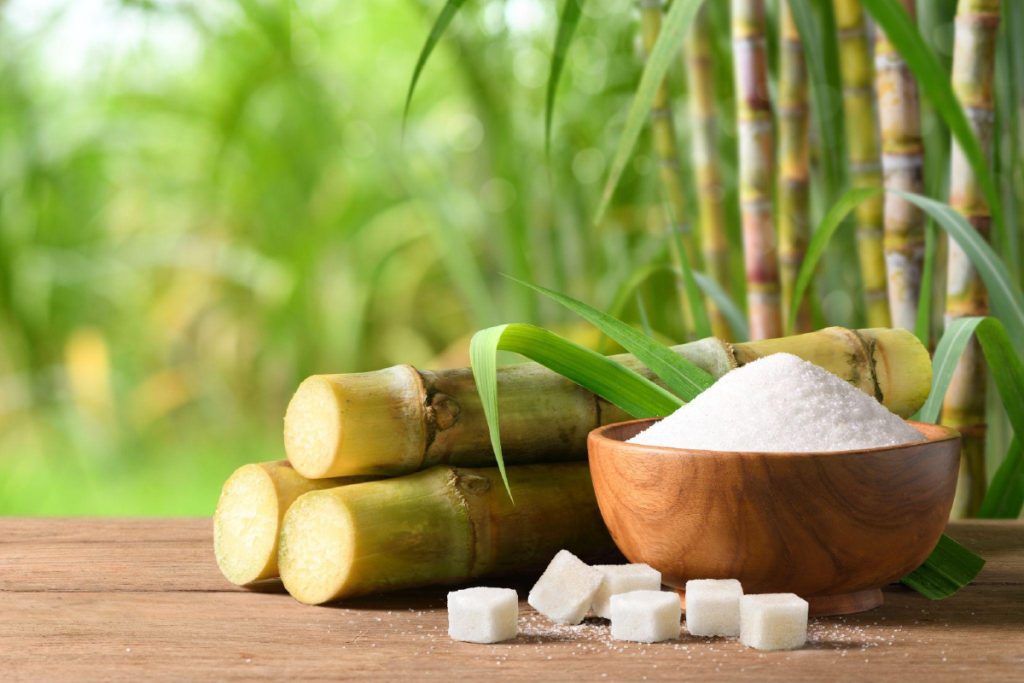
Coconut sugar’s got a tiny edge over regular white sugar—like, we’re talking baby steps here. A spoonful? About 15 calories, pretty much the same as what you get with the usual stuff. But coconut sugar sneaks in a few extras: little bits of iron, zinc, calcium, and potassium. Not enough to impress your doctor, but hey, it’s something.
Plus, there’s this thing called inulin (no, not insulin, totally different), which is a kind of fiber that could help slow down how fast your blood sugar spikes. Still, let’s be real—neither coconut sugar nor cane sugar is gonna turn your dessert into a health food. The nutrient boost is basically a rounding error. Eat cake for joy, not for vitamins.
- Analyzing Glycemic Index: Myth or Reality?
The glycemic index (GI) of coconut sugar is often touted as one of its health benefits, with values ranging around 35, which is lower than that of cane sugar at approximately 60. This suggests that coconut sugar could cause a slower increase in blood glucose levels. However, some argue that this difference is not substantial enough to warrant it as a healthier choice for those closely monitoring their blood sugar, considering portion sizes often negate these benefits.
- Mineral Content and Dietary Benefits
Coconut sugar gets hyped up because, yeah, it’s got a smidge of magnesium and maybe a sprinkle of vitamin C in there—nothing to write home about, honestly. People love to rave about the antioxidants too, like it’s some kind of magic bullet against free radicals. But let’s be real: if you’re banking on coconut sugar to cover your mineral needs, you’re in for a letdown. The amounts are so tiny, you’d have to eat, like, buckets of the stuff. Basically, sure, it’s got a few perks compared to plain old white sugar, but don’t expect miracles.
The mineral content found in coconut sugar slightly enhances its appeal compared to cane sugar. Though the amounts are quite modest, she may find that these trace minerals, particularly potassium and magnesium, offer some physiological advantages. People who opt for coconut sugar should remain mindful of their overall sugar consumption as the trace benefits are unlikely to offset the negative effects linked to a high-sugar diet.
The Environmental Impact: Sustainability and Production Processes

Sugar isn’t just about what it does to your waistline—there’s a whole messy backstory behind every sweet spoonful. Coconut sugar and cane sugar? Total opposites when it comes to their environmental baggage. Coconut sugar gets this green halo—everyone loves calling it eco-friendly, probably because harvesting it doesn’t trash the land as much. Cane sugar, on the other hand, has a rep for sucking up water, wrecking soil, and, honestly, just being a bit of a diva when it comes to resources.
If you actually dig into how these sweeteners are made, you’ll see the whole “which is greener” debate isn’t so clear-cut. There’s a lot more going on behind the scenes than just taste or calories—these sugars leave some serious footprints on the planet.
- Coconut Sugar’s Footprint: A Closer Look at Sourcing
Coconut sugar’s kinda cool when you think about it. Basically, it comes from tapping the sap of coconut palms—so, no, you don’t have to mow down the whole tree like some sugarcane massacre. These palms just keep on living their best life, which is a win for the planet and for anyone who likes trees sticking around. Most of the stuff comes from small farmers, not mega-corporations. Plus, coconut palms aren’t as needy—they guzzle way less water and hog less land than sugarcane. All of this means coconut sugar’s got a much smaller eco-footprint, and honestly, you get to feel a little less guilty about your sweet tooth.
- Cane Sugar Production: Environmental Consequences
First off, cane sugar massive plantations? They just bulldoze right over forests, so goodbye to a bunch of plants and critters. Not exactly a win for biodiversity. And you know, it’s not like they’re gentle with the land either—they dump all sorts of pesticides and fertilizers everywhere. That junk ends up in the rivers, so local water gets nasty pretty quick. Don’t even get me started on how thirsty sugarcane is; it sucks up water like there’s no tomorrow. Oh, and when they process the stuff? Yeah, say hello to a nice cloud of greenhouse gases. So, basically, sweet tooth = not so sweet for the environment.
The practice of monoculture in cane sugar farming not only leads to soil erosion but also creates a reliance on synthetic fertilizers and pesticides, which harms aquatic ecosystems and diminishes water quality. In countries like Brazil and India, extensive sugarcane plantations replace lush forests, causing habitat destruction for countless species.
Moreover, the crop’s high water demand can deplete local water supplies, creating competition with other agricultural and community needs. As the world grapples with climate change and resource scarcity, reevaluating cane sugar’s production practices becomes imperative to safeguard ecosystems and ensure sustainable food systems for future generations.
Taste and Culinary Uses: A Flavor Face-Off
A closer examination of taste reveals distinct characteristics between coconut sugar and cane sugar, influencing their culinary applications. Coconut sugar possesses a rich, caramel-like sweetness with hints of butterscotch, while cane sugar delivers a clean, classic sweetness that many find familiar. Chefs often turn to coconut sugar for recipes that benefit from its nuanced flavor profile, creating depth in dishes such as sauces or baked goods where a toasty finish is desired.
- Flavor Profiles: What Sets Them Apart?
The flavor profiles of coconut sugar and cane sugar differ significantly, with coconut sugar presenting a more complex sweetness. While cane sugar tends to enhance sweetness without altering flavor, coconut sugar’s unique caramel notes can enrich the overall taste of the dish, making it an ideal choice for certain recipes that invite a deeper flavor experience. This variance allows chefs to utilize each type strategically depending on the desired outcome of their culinary creations.
- Baking and Cooking: Practical Implications for Chefs
Coconut sugar’s unique flavor can alter the dynamics of traditional recipes, prompting chefs to adjust ingredient ratios and methods of preparation. Its higher moisture content and lower melting point compared to cane sugar might necessitate recipe adaptations, especially in baking. For example, incorporating coconut sugar may lead to moister cakes or require longer cooking times for caramelization in dishes.
When utilizing coconut sugar in baking, chefs often find that it brings a moist texture to baked goods, which can be beneficial in recipes for cookies or quick breads. However, care must be taken with leavening as the sugar may not aerate in the same way as cane sugar. Additionally, adjusting baking temperatures slightly may be necessary due to the caramelization potential of coconut sugar. Successful integration often comes down to experimentation, allowing culinary professionals to tailor textures and flavors according to their culinary vision.
Consumer Insights: Trends and Misconceptions
Consumer interest in coconut sugar has surged, driven by perceptions of its health benefits and natural origins. Many individuals believe that transitioning from cane sugar to coconut sugar represents a healthier choice. However, numerous misconceptions surround its nutritional profile and glycemic impact, revealing a need for greater awareness and education among health-conscious shoppers.
- The Marketing of Coconut Sugar: Health Halo Effects
Marketing strategies often capitalize on the “health halo” surrounding coconut sugar, portraying it as a natural alternative to refined sweets. Advertisements highlight its organic and minimally processed qualities, which resonate with consumers seeking healthier lifestyles. This branding can overshadow critical evaluations of its true health benefits, leading many to overlook that it still functions as a sugar source.
- Public Perception vs. Scientific Evidence
Disparities frequently arise between public perceptions of coconut sugar and the scientific evidence surrounding its health effects. While many consumers view it as a superfood, studies suggest that it might not vastly outperform cane sugar in terms of health outcomes. For example, both types of sugar add calories without significant nutritional value, and excessive consumption can still contribute to health issues like obesity and diabetes.
Several studies challenge the notion that coconut sugar is significantly healthier than cane sugar. Research indicates that despite its lower glycemic index, coconut sugar can still cause spikes in blood sugar levels similar to those of cane sugar if consumed in excess. This reinforces the understanding that moderation is key, regardless of the sugar source. Therefore, while coconut sugar might offer slight nutritional benefits, it should not be viewed as a health panacea. Ultimately, consumers must weigh the benefits and drawbacks of all sugar types, including their potential contributions to health when consumed excessively.
Dietary Recommendations: Usage in a Balanced Diet
Coconut sugar can fit into a balanced diet when consumed in moderation. Due to its lower glycemic index and modest nutrient content, it may be a preferable alternative to cane sugar for individuals looking to reduce their refined sugar intake. However, this does not exempt it from the risks associated with excessive sugar consumption. Incorporating coconut sugar in place of other sweeteners, rather than alongside them, allows for a healthier overall sugar profile in daily nutrition.
- How Much Is Too Much? Portion Control
Portion control plays an necessary role in the use of coconut sugar, much like any sweetener. Typically, dietary guidelines suggest that added sugars should not exceed 10% of total daily caloric intake. For a standard 2,000-calorie diet, this translates to about 200 calories, or roughly 50 grams of sugar. By keeping daily coconut sugar consumption within this range, individuals can enjoy its benefits without overindulging.
- Coconut Sugar in Context: Integrating into Nutrition Plans
Integrating coconut sugar into nutrition plans can enhance flavor without sacrificing health standards. Using it in moderation for baking, coffee, or smoothies allows individuals to enjoy its unique taste while adhering to nutritional goals. It aligns well in recipes that require moisture and caramel flavor, making it a versatile option for various diets. Additionally, adjusting recipes to utilize coconut sugar instead of refined sugar encourages a shift towards more wholesome eating habits.
Incorporating coconut sugar into a nutrition plan can be seamless and enjoyable. For example, while preparing baked goods, one might substitute coconut sugar directly for granulated sugar, keeping in mind that it may impart a slight caramel flavor. Moreover, individuals can use coconut sugar in savory dishes to increase depth of flavor, such as in marinades or glazes. Its versatility allows for creativity while reinforcing the goal of reduced refined sugar consumption, making healthier snacking and cooking more approachable.
Conclusion
People love to argue about coconut sugar vs. cane sugar, but let’s be real—neither one is some magical health hack. Coconut sugar’s got a couple of extra minerals and, yeah, the glycemic index is a bit lower, but we’re still talking about sugar here. Same calories, still sweet, still easy to go overboard.
If you’re picking one, do it because you like the taste or it works better for your body—not because you think it’ll turn you into a health guru overnight. Chugging either by the spoonful isn’t gonna help anyone. Just use a little, don’t stress, and maybe focus on eating some actual veggies instead of obsessing over which sugar is “better.” No need to kid yourself—neither is a miracle worker.