
RBD coconut oil isn’t your average cooking oil. Scientists have been poking and prodding the science behind RBD coconut oil for ages, obsessed with how ridiculously well it sinks into skin. Turns out, those medium-chain fatty acids are the secret. They basically let the oil sneak past your skin’s defenses and do some real magic underneath. Now, if you’re nerdy about skincare, there’s some wild science behind how this oil breaks through the skin barrier and actually goes deep.
We’re not talking about surface-level moisturizing here—this is next-level nourishment, like your skin just got a VIP spa treatment. So, knowing how this all works? It actually helps you not get swayed by all those hyped-up products out there. You can slap on your RBD coconut oil and feel smug about it, ‘cause it hydrates, soothes, and yeah, might even sort out some skin issues.
Table of Contents
The Unique Composition of RBD Coconut Oil
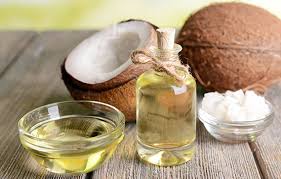
RBD coconut oil (that’s the fancy, cleaned-up, deodorized kind) is kinda its own beast. The way it’s put together—yeah, I’m talking about those fatty acids and all that good stuff—means it actually does more than just sit there on your skin. It’s not just about slapping on some moisture; this stuff can seriously boost your skin game. And because they process it to keep it pure, you get all the benefits without the gross side effects.
- Fatty Acid Profile and Its Implications
RBD coconut oil—it’s seriously loaded with saturated fats. We’re talking lauric acid (that’s the big star, almost half the oil), plus a good chunk of myristic and caprylic acids hanging out in the mix. Lauric acid, constituting about 47% of the oil; it’s got some wild anti-inflammatory and antibacterial powers, which is a total win if your skin loses its mind over every little thing. End result? Soft, dewy skin that’s way less likely to flake out on you—literally.
- The Role of Medium-Chain Triglycerides in Skin Absorption
Those medium-chain triglycerides (MCTs) in RBD coconut oil—mainly the big shots like caprylic and capric acids. They’re kinda like the VIPs of the oil world when it comes to skin absorption. Why? Well, their carbon chains are shorter, so they’re lighter and sneakier. They just slip right through the surface of your skin, no problem. That’s why they end up delivering all that hydration and good stuff way deeper than those longer, clunkier fatty acids ever could. Basically, they’re the express delivery service your skin never knew it needed.
Medium-chain triglycerides, or MCTs, have this unique knack for slipping way past the top layer of your skin—like, not just hanging out on the surface. They actually sneak through the stratum corneum (that’s the skin’s gatekeeper, for anyone who doesn’t nerd out over anatomy). If they’re in, they work hard to hydrating and nourishing. Oh, and don’t sleep on their germ-fighting skills—they’re basically tiny bouncers, chucking out the bacteria that start breakouts or mess with your skin.
Mechanisms of Skin Penetration
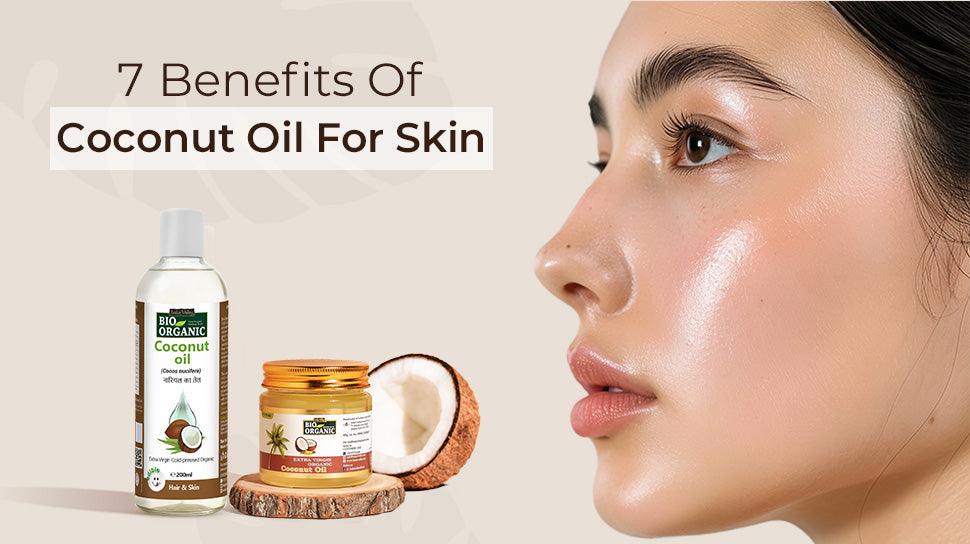
Understanding the mechanisms through which RBD coconut oil penetrates the skin reveals the scientific basis for its effectiveness as a moisturizer and healing agent. The skin’s barrier, mainly composed of lipids, allows certain compounds to be absorbed while blocking others. RBD coconut oil’s lipid-rich composition facilitates its diffusion through these layers, enhancing its skin penetration capabilities and promoting nourishment at deeper levels.
- How Lipid Solubility Enhances Delivery
Lipid solubility is kinda the champ when it comes to getting RBD coconut oil past your skin’s defenses. Your skin’s outer layer? It’s basically a bouncer for water, but it rolls out the red carpet for anything oily. About coconut oil, being the slick lipophilic stuff just slides right in and cozies up with the stratum corneum. That means the oil sticks around, hugs your skin cells, and keeps things hydrated for way longer than most watery lotions could ever dream.
- The Impact of Molecular Size and Structure
RBD coconut oil actually slips into your skin pretty easily, and that’s mostly because of its tiny little molecules. It’s packed with these medium-chain fatty acids—think of them as the skinny kids at the club who get past the bouncer when the bigger, long-chain types are stuck waiting outside. Since they’re smaller, they just cruise right through your skin’s defenses, no big deal. Basically, your cells don’t put up much of a fight, so the oil gets in there fast and does its thing.
The way molecules are shaped totally changes how they mess with your skin. Take medium-chain fatty acids—they’re all over RBD coconut oil. They’re like the little guys at a party, slipping right past the bouncers (the skin’s lipid layers), while those long-chain fatty acids are just too bulky to get through. That size difference? Yeah, it actually matters a ton for how deeply stuff sinks in.
Molecular that weighs less than 500 Daltons basically slips through your skin way easier, and, lucky for us, RBD coconut oil’s got a bunch of those compounds. So, the fatty acids in it aren’t just do nothing, it works to make the oil mix well and actually help it seep deeper into your skin. The impact is to create good for moisture, but it can actually do some real therapeutic work too.
Comparing RBD Coconut Oil to Other Oils

| Oil Type | Properties |
|---|---|
| RBD Coconut Oil | Highly refined, with excellent penetration and moisturizing properties. |
| Virgin Coconut Oil | Less processed, retains antioxidants, and has an earthy aroma. |
| Olive Oil | Rich in oleic acid, it’s heavier and less penetrating. |
| Argan Oil | Known for its nourishing properties, but absorbs slower due to its composition. |
- Effectiveness of RBD vs. Virgin Coconut Oil
RBD coconut oil stands out for its refined properties, which enhance skin penetration. Unlike virgin coconut oil, which retains certain beneficial compounds and antioxidants, RBD is engineered for optimal absorption, making it a preferred choice for those seeking immediate moisture and relief from dryness. The refined nature allows it to be lighter on the skin, reducing the risk of clogging pores while still delivering hydration.
- RBD Coconut Oil Versus Other Common Skin Oils
Compared to other oils such as olive or argan oil, RBD coconut oil offers distinct advantages for skincare. While olive oil is heavier and may create a barrier on the skin, RBD coconut oil absorbs more quickly due to its unique fatty acid composition—primarily lauric acid, which has been shown to have antimicrobial properties. Consequently, RBD coconut oil not only moisturizes effectively but can also contribute to healthier skin by reducing acne-causing bacteria, making it an excellent alternative to many common oils in skincare regimens.
Science Behind RBD Coconut Oil: Practical Applications in Skincare
RBD coconut oil has become a versatile ingredient in a wide range of skincare products due to its exceptional skin penetration and moisturizing properties. It is often formulated into creams, lotions, and serums, enhancing hydration while delivering necessary fatty acids and antioxidants. Its lightweight texture allows for easy absorption, making it suitable for all skin types, including those prone to acne or sensitivity. Brands increasingly incorporate RBD coconut oil not only for its efficacy but also for its natural and appealing profile that resonates with consumers seeking clean beauty formulations.
- Formulations Leveraging RBD Coconut Oil
RBD coconut oil is frequently featured in formulations designed to nourish and protect the skin. Its emollient characteristics make it an ideal base for moisturizers, body oils, and hair masks. Brands have successfully integrated it into anti-aging products, recognizing its potential to improve skin elasticity and reduce the appearance of fine lines. Additionally, RBD coconut oil is often blended with other botanical extracts and active ingredients to enhance its benefits, creating synergistic effects for optimal skin health.
- Consumer Perception and Usage Trends
People don’t look at RBD coconut oil the same way they did even a couple years back. Seriously, folks have gotten way more into natural stuff for their faces—coconut oil, especially. You see it everywhere now, not just in the kitchen but in creams, serums, you name it. Some studies even claim almost 40% of beauty consumers are out there hunting for coconut oil in the ingredients list, all because it keeps skin happy and hydrated. It’s not just about smelling like a beach vacation, either. The whole “clean beauty” craze is in full swing, and people are all about ditching weird chemicals and sticking to things that sound like you could eat them.
Honestly, it feels like everyone and their grandma is raving about RBD coconut oil these days. Around 65% of folks in recent polls say they’re pretty stoked about slathering it on their skin—apparently, it’s giving them that hydrated, glowy vibe everyone’s after. People are super into this whole “clean beauty” movement now, hunting for stuff that won’t wreck their face but actually works. And let’s be real—once the beauty influencers catch on, you can bet TikTok and Insta will blow it up even more. No wonder the shelves are emptying out.
Future Perspectives on RBD Coconut Oil Research
- Emerging Studies and Innovations
Recent scientific investigations have begun to explore the versatility of RBD coconut oil beyond its traditional applications. Researchers have been focusing on the unique fatty acid composition, specifically lauric acid, and its potential roles in health and cosmetic formulations. For instance, studies examining the anti-inflammatory properties of RBD coconut oil suggest promising avenues for treating conditions like eczema and psoriasis, highlighting how topical application may harness its beneficial effects.
- The Potential for Enhanced Skincare Solutions
There is a significant opportunity for the cosmetic industry to tap into the unique properties of RBD coconut oil, potentially leading to innovative skincare products. Future formulations could combine RBD coconut oil with other biocompatible ingredients, enhancing its penetration and effectiveness for targeted treatment. Personalized skincare solutions that leverage the oil’s natural moisturizing and healing properties could emerge, providing tailored options for individuals with varying skin types and conditions.
With RBD coconut oil’s natural affinity for skin absorption, there’s potential for layered formulations that could optimize delivery systems. By integrating encapsulation technologies or pairing the oil with botanical extracts known for their healing properties, firms could create standout products that not only moisturize but also treat specific skin ailments. As researchers gather more data, the cosmetic realm may witness a wave of innovative offerings that harness the power of RBD coconut oil, elevating skincare beyond mere hydration to effective therapies. This evolution could reshape the industry, making way for baking science into everyday skincare routines.
To wrap up
You know, when you actually stop and think about it, RBD coconut oil’s kind of a show-off. It soaks into your skin like it owns the place—thanks to those medium-chain fatty acids doing all the heavy lifting. They just zip right in, bringing moisture and all that good stuff straight to your skin cells. And also this built-in germ-fighting thing going on, which is honestly a bonus. So yeah, it’s not just for cooking—this stuff’s a multitasker when it comes to skin care.