
Alright, here’s the thing—the coconut sugar market? It’s kinda booming. Back in 2021, folks tossed around numbers like $243.4 million and, get this, by 2031 they’re betting on it hitting $408.7 million. You’ve probably seen it yourself: everyone and their mom wants “clean” sweetness. They want it to feel natural, not like you’re chomping on a chemistry set.
Coconut sugar’s been muscling out other sweeteners because, honestly, it’s got things going for it. Think: actual minerals your body can use, barely any processing, plus it brings those deep caramel, almost nutty flavors you’d chase in a good toffee. That’s thanks to some Maillard reaction.
If you’re shopping for something that feels real, or you’re developing products (power to you), coconut sugar just nails that sweet spot—tasty, sort-of healthy-ish, and you can brag about its sustainability. So, basically, you get flavor, a story to tell about being green, and you don’t have to compromise on how your cookies or whatever turn out.
Table of Contents
The Sweet Shift: Analyzing Sugar Reduction Trends

Brands aren’t just tossing out generic “low-sugar” labels anymore—they’re actually overhauling recipes to make stuff taste good first, diet stuff second. Honestly, you look at the shelves, and reduced-sugar versions are everywhere now. Retailers are even raving about wild double-digit growth in those products over the past five years—so clearly people want their cake and… less sugar with it, I guess.
R&D teams? Yeah, they’re totally obsessed with sneakily swapping out sugar for things that don’t butcher the flavor. Take coconut sugar: it’s got this crazy natural caramel vibe going on, so you can ditch the regular white sugar but keep that rich, golden-brown taste people dig. The real trick is brands pulling off the “clean label” thing—no sketchy fake flavors, no weird polyol fillers that leave your mouth feeling like you just licked a candle.
- The Rise of Consumer Demand for Natural Flavors
So, you notice shoppers choosing labels that list single-origin or minimally processed sweeteners; in bakery and snack categories, artisan brands and mainstream players alike are swapping refined sugar for coconut sugar to boost caramel complexity. Store audits show natural-flavor claims driving premium pricing—consumers will pay 10–25% more for perceived authenticity—so coconut sugar becomes both a sensory and commercial lever in your product mix.
- Navigating the Balance of Taste and Health
You confront trade-offs between sweetness reduction and palatability: formulators often reduce sucrose by 15–30% without major texture changes, but deeper cuts require bulking agents or high-intensity sweetener blends. Coconut sugar contributes subtle caramel and Maillard-derived notes, allowing you to maintain perceived sweetness and color while lowering refined-sugar grams per serving—useful for front-of-pack claims and midpoint reformulations.
Practical formulation paths for you include blending up to 25% coconut sugar with sucrose to retain bulk and mouthfeel, then introducing small amounts of allulose, stevia-erythritol blends, or soluble fibers (inulin, polydextrose) to reach 40–60% reduction targets. Pilot sensory panels and shelf-life tests typically guide the trade-off: many teams report maintaining ≥80% consumer acceptance when coconut sugar is paired with modest bulking or sweetness enhancers, preserving both health messaging and the caramel profile consumers expect.
Natural Alternatives: Coconut Sugar as a Flavorful Substitute
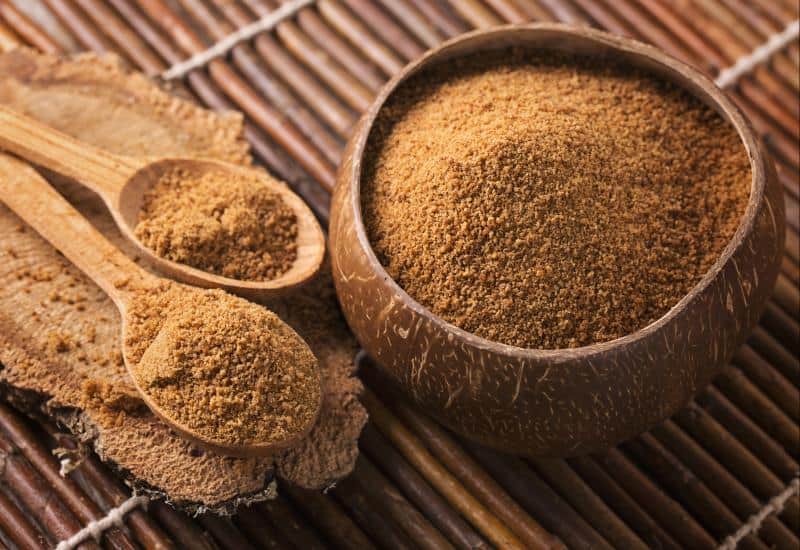
You can replace synthetic caramel flavors with coconut sugar to deliver natural toffee-and-brown-butter notes while keeping labels clean; coconut sugar undergoes minimal processing and caramelizes similarly to brown sugar, so using it 1:1 in cookies, granolas, or caramelized fruit preserves preserves texture and boosts flavor complexity without additive lists. Its distinctive aroma often reduces the need for added vanilla or artificial caramel color in many formulations.
- When to Trade Caramel Additives for Coconut Sugar
Switch to coconut sugar when you want authentic Maillard-driven caramel notes in baked goods, sauces, or cold-brew syrups—bakery trials show it darkens crumb and intensifies toffee character in cookies and muffins. You should avoid it for ultra-clear confections or delicate meringues where granular color and flavor matter.
- The Benefits of Coconut Sugar Over Traditional Sweeteners
You gain a lower glycemic impact—coconut sugar’s glycemic index is commonly cited around 35 versus table sugar near 60–65—plus trace minerals like iron, zinc, calcium and potassium and naturally occurring caramel notes that cut the need for flavor additives. Cost typically runs 2–3× higher than cane sugar, but you recover label simplicity and sensory depth that many consumers now prioritize.
Further, coconut sugar contains short-chain oligosaccharides and soluble fibers that modestly slow glucose absorption, helping explain the lower GI; in recipe testing you’ll notice darker color and a richer mouthfeel, so you may reduce fat or added vanilla slightly. For manufacturers aiming at cleaner labels, switching to coconut sugar can also support premium positioning and justify modest price premiums in product launches.
Terminology that Sells: Claims and Compliance Made Simple

Phrase claims around verifiable attributes so your marketing aligns with enforcement realities: FDA has no formal definition for “natural,” while the FTC expects objective substantiation for any performance or health implication. Use concrete language—”Made from 100% coconut sap” or “No added preservatives”—and keep supplier COAs and batch records to support those statements during audits or consumer complaints.
- Crafting Safe and Effective Marketing Language
Choose precise copy such as “contains natural caramel notes from coconut sugar” or “made from evaporated coconut sap,” and back it with documentation: ingredient specifications, third‑party lab COAs, and sensory panel notes for flavor claims. Leverage certs like USDA Organic or Non‑GMO Project to reduce ambiguity, and avoid linking taste descriptors to unproven health benefits unless you have clinical data to substantiate them.
- Common Pitfalls: What to Avoid in Labeling
Avoid vague or comparative claims like “all‑natural,” “healthier than sugar,” or “additive‑free” if your formulation includes processing aids, anti‑caking agents (e.g., silicon dioxide), or blends with refined sugars. Misleading phrasing can trigger FTC enforcement, corrective advertising, or consumer class actions; keep your claims narrowly factual and provable with supplier paperwork and lab tests.
Dig deeper into risks by checking specific regulatory thresholds and claim rules: use “reduced” only when you can show at least a 25% nutrient reduction versus the reference product, and confirm any “low” nutrient claims meet local numeric limits. Maintain a file of supplier COAs, ingredient declarations, batch records, and sensory or lab reports for each SKU; those documents are the primary defense if a regulator or competitor challenges your labeling.
Innovations on the Horizon: Conceptualizing Product Lines
- Latte Innovations: Crafting Natural Caramel Notes
Use a 1:1 coconut sugar syrup or 1–2 tsp dissolved per 8‑oz latte to deliver clean caramel and toffee tones; coconut sugar’s sucrose content (~70–80%) helps it dissolve and integrate into milk, and dissolving at 60–70°C preserves volatile aromatics—pair with medium‑roast espresso or a single‑origin Brazil bean to highlight nutty backnotes and add a light pinch of sea salt to lift sweetness without additives.
- Expanding the Bakery and Snack Clusters Portfolio
Replace 25–50% of refined sugar in cookies and up to 30% in cakes to retain structure while adding deep caramel color; in granola clusters and energy bars you can use coconut sugar syrup as a 1:1 binder with nut butter, and test batches should track moisture over 48–72 hours since coconut sugar contributes hygroscopicity and richer browning.
Adjust formulations by reducing oven temperature 10–15°C to prevent over‑browning and consider adding 1/8–1/4 tsp baking soda per cup substituted when recipes rely on chemical leavening; expect darker crumb, slightly higher moisture retention, and a retail price premium (typically 2–3× refined sugar), so communicate flavor benefits on packaging and margin models when scaling lines.
Quantifying Success: The Metrics That Matter to Buyers
- Sensory Measurements: Taste and Aroma Evaluation
You rely on trained-panel 9-point hedonic scores and descriptive analysis (intensity 0–15) alongside GC‑MS aroma profiling to prove coconut sugar’s caramel notes. Trace volatiles like furaneol and maltol occur in the low ppb range and often correlate with panel intensity ratings; a 0.5–1.0 point shift on hedonic scales can predict marketplace performance. Pair sensory maps with consumer accept/reject thresholds to make the technical case for your product.
- The Importance of Color and Label Simplicity
Color metrics anchor perceived caramel quality: target CIE L*a*b* values that reflect amber sugars (L* ≈30–45) and keep ΔE under 2 versus your benchmark so differences are imperceptible. Label simplicity builds instant trust—use one short front claim (e.g., “100% coconut sugar”), a single certification badge, and clear typography so shoppers can absorb your message in the 2–3 seconds they scan a pack.
Visual cues such as a matte finish, a single warm accent color, and high contrast (≥4.5:1) boost perceived naturalness and legibility; matte stocks reduce glare and often read as more artisanal in shelf tests. You should A/B test minimalist versus imagery-rich designs to measure conversion lift, keep supplemental claim font sizes at least 6–8 pt for readability, and verify any “no additives” wording aligns with regulatory definitions to avoid consumer complaints.
To wrap up
So coconut sugar provides authentic caramelized flavor without additives, giving you a clean-label, richer taste profile for baking and beverages; its lower processing, trace minerals, and versatile browning make it a compelling choice for consumers seeking natural sweetness, while you weigh cost and sourcing to align with your product or pantry priorities.