
Plenty of R&D folks and ready-to-drink (RTD) inventors are already messing around with coconut sugar fermentation—some throw in coconut water, others go full sugar—in this semi-mad-scientist quest for probiotic and postbiotic beverages. Basically, they’re using LAB and Bifidobacterium cultures to munch up extra sucrose, spit out a bunch of good-for-you postbiotics and those lovely exopolysaccharides and somehow keep things tasting chill and approachable. All this generally involves dialing in specific starter cultures, locking in pH, fiddling with the temp.
Table of Contents
The Unique Benefits of Coconut Sugar in Fermentation
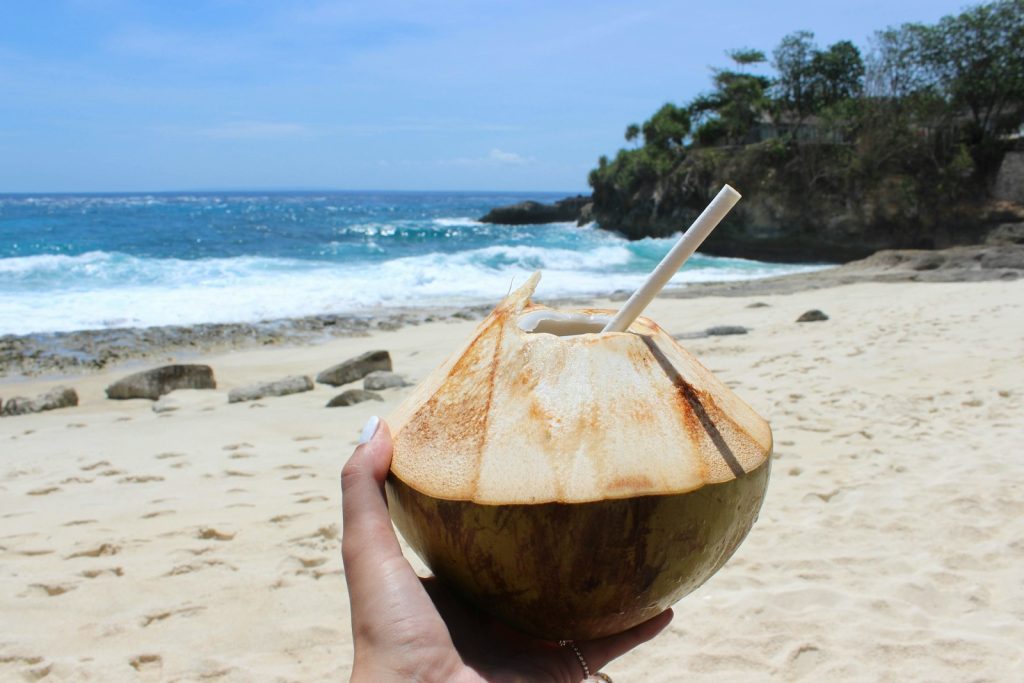
- The Allure of Caramel Complexity
Coconut sugar’s ≈70–80% sucrose backbone plus native Maillard-derived volatiles deliver caramel, toffee, and roasted notes that let you ferment down to pH 3.6–4.0 while preserving consumer-friendly balance; those flavor layers mask lactic sharpness, reduce need for added flavorings, and synergize with EPS-driven mouthfeel from LAB/Bifidobacterium to create a rounded, stable probiotic coconut beverage.
- Antioxidant Potential Versus Refined Sucrose
Unlike refined sucrose (~99.9% pure sucrose with negligible bioactives), coconut sugar retains phenolics and melanoidins that provide measurable antioxidant activity; you can leverage this to improve oxidative stability, potentially protect oxygen-sensitive Bifidobacterium during filling and shelf storage, and claim a more “whole” ingredient profile—verify effects with ORAC or TPC assays against a refined-sucrose control.
For practical R&D, quantify antioxidant contributions by measuring total phenolic content (Folin–Ciocalteu, mg GAE/g) and ORAC values on your specific coconut sugar lot, then run small-scale fermentation trials at 20–50 g/L sugar (2–5% w/v) comparing viability, peroxide levels, and sensory outcomes to a refined-sucrose baseline; track residual sucrose/glucose/fructose by HPLC or enzymatic kits, and assess whether the antioxidant load meaningfully reduces oxidative markers or improves post-fermentation viability under your chosen packaging and storage conditions.
Selecting the Right Microbial Allies

- Bifidobacterium Strains and Coconut Water
If you’re gunning for solid probiotic vibes, strains like Bifidobacterium animalis subsp. lactis (think classic BB-12) or B. longum are your BFFs. These guys can totally shrug off acidic conditions—yeah, I’m talking pH around 3.5 to 4. Most folks toss ’em in at about a million to a hundred million CFU per milliliter, not even kidding.
Now, coconut water—it’s got barely any sugar (2–5%), but it’s loaded with potassium (anything from 250 up to 600 mg/liter, wild). Thing is, that sugar level’s not exactly a buffet for your friendly bifidos. So, just bump it up: toss in maybe 4–8% coconut sugar, or if you’re feeling fancy, give it a hit with 0.5–2% inulin or FOS. That way, the bugs actually have some grub to chow down on while they do their thing, ideally in low-oxygen corners at a cozy 30–37 degrees Celsius.
- Monoculture Versus Mixed Culture Dynamics
You’ll get highly reproducible acidification and flavor control with a monoculture (predictable pH drop, predictable residual sucrose), typically achieving target pH 3.8–4.2 in 12–24 hours. Mixed cultures—for example Lactiplantibacillus plantarum + B. animalis—deliver EPS for mouthfeel, improved bifidobacterial survival, and more complex volatile profiles, but require tighter control of inoculation ratios, redox, and fermentation sequencing to avoid off‑flavors.
Operationally, consider inoculation strategies: start with a facultative LAB (L. plantarum or L. rhamnosus) at 10^7–10^8 CFU/mL to consume oxygen and lower redox potential (<‑100 mV), then introduce bifidobacteria at 10^6–10^7 CFU/mL or co‑inoculate at ratios from 1:1 up to 10:1 (LAB:Bifido) depending on desired acid kinetics. Monitor °Brix and aim for initial 6–8°Bx (≈60–80 g/L) if you want substantial fermentation while targeting residual sugars <5–20 g/L for a lower‑sweet product; use sequential inoculation or staggered temperature profiles (30°C for mixed, 36–37°C to favor bifidobacteria) to balance EPS production, cell viability, and sensory outcomes.
Harnessing the Power of Coconut Sap LAB

- Levilactobacillus brevis: A Probiotic Powerhouse
Levilactobacillus brevis is a heterofermentative LAB you can leverage to convert coconut sugar (typically ~60–80% sucrose) into lactic/acetic acids, CO2 and functional bioproducts; targeted fermentations at 25–32°C commonly reach 10^7–10^9 CFU/mL within 12–48 hours, and many strains produce EPS and GABA that improve mouthfeel, stabilize suspended solids, and support probiotic survival in probiotic coconut beverages.
- Implications of Antimicrobial Activity in Product Development
L. brevis cranks out a bunch of organic acids and these gnarly bacteriocin-type peptides, right? Those drive the pH way down, like deep in the 3.6 to 4.2 zone. Basically, it’s a bad time if you’re a Gram-positive spoiler or pathogen.
So you’ve got a whole balancing act: maybe change who goes in first, mess with the buffer, fine-tune your sugar—most folks float around 2 to 6 percent, but, you know, your mileage may vary. Oh, and if you want to keep those postbiotics but not everything alive, consider pulling out the big guns like HPP after fermentation. Tech’s wicked, doesn’t fry your goodies with heat.
Practical controls you can implement include a validated process: blend coconut water with 4–6% coconut sugar, pasteurize (≈72°C 15s) then cool to 26–30°C and inoculate L. brevis at ~10^6–10^7 CFU/mL; monitor pH and titratable acidity to reach pH 3.8–4.2 in 12–24 h (LAB counts ≈10^8–10^9 CFU/mL). For co-culture with Bifidobacterium, run sequential strategies (establish L. brevis EPS-producers first, or microencapsulate Bifido), screen strains pairwise with neutralized cell-free supernatant to detect bacteriocin activity, and apply HPP (400–600 MPa, 1–3 min) if you want a postbiotic, shelf-stable product that retains flavor, EPS benefits and lower residual sucrose (<2% w/v) for consumer-friendly sugar claims.
Strategic Process Design for Optimal Fermentation
- Key Variables: Brix, pH, and Temperature
Targeting 10–12°Bx when using coconut sugar (or coconut water plus sugar) balances fermentable substrate and mouthfeel; aim for an initial pH ~6.0–6.5 and control endpoint pH between 3.8–4.4 to preserve flavor and Bifidobacterium viability; set temperature per strain—25–30°C for milder acid build and EPS expression, 35–37°C to accelerate LAB acidification—monitor every hour early in production to detect rapid drops.
Process Targets and Notes
| Parameter | Target / Notes |
| Brix (initial) | 10–12°Bx; use step-feed to avoid osmotic stress |
| Residual sucrose | <2% w/v (≤20 g/L) for consumer-friendly sweetness |
| pH (start → end) | 6.0–6.5 → 3.8–4.4; maintain ≥4.0 for mixed Bifidobacterium viability |
| Temperature | 25–30°C for EPS and flavor; 35–37°C for faster acidification |
| DO & nutrients | Low O2 for bifido; add 0.1–0.3% yeast extract or Mg/Mn trace salts if stalls occur |
- Managing Fermentation Stalls and Dynamics
Detect stalls by a flat refractometer reading and pH plateau for 2–4 hours; common causes include osmotic inhibition from high Brix, limiting nitrogen or trace minerals, oxygen exposure, or phage contamination—remedies: lower Brix and switch to fed-batch, raise temperature 3–5°C, add 0.1–0.3% yeast extract or 10–50 mg/L Mn2+, and consider co-inoculating an EPS-producing Lactobacillus to revive activity.
Implement continuous logging (refractometry + pH probes) and set automated alarms for <0.05°Bx/hour or <0.05 pH units/hour change after the first 6–8 hours; step-feed sucrose in 10–20% of total dose every 6–8 hours to avoid osmotic shock and keep residual sugars moving toward <2% w/v; for Bifidobacterium, maintain low oxygen using nitrogen overlay or sealed vessels and stagger inoculation (Lactobacillus first to lower redox, then Bifido) to improve viability and consistency across batches. Run a 50–200 L pilot to validate adjustments before scale-up.
Unlocking the Potential of Probiotic and Postbiotic beverages EPS
- The Role of Exopolysaccharides in Beverage Quality
If you’re aiming for that silky mouthfeel, better foam, and the kind of stability that makes your drink look like you actually know what you’re doing—go for EPS. No need to mess around dumping a bunch of gums in there. Some Lactobacillus plantarum or L. rhamnosus, plus a few Bifidos like B. longum? These little guys start cranking out good polymers while munching on coconut sugar (which, sidebar, is loaded with sucrose—like, 70-80%).
Just don’t forget to toss in a bit of yeast extract—somewhere in the ballpark of 0.1 to 0.5%—so the bugs have enough amino nitrogen to get the job done. If you dial it in right, boom: thicker texture, less need for those fancy hydrocolloids, and you still get to brag about your all-natural, probiotic coconut drink.
- Measuring EPS Retention Post-Pasteurization
Quantify EPS before and after standard pasteurization regimes (HTST 72°C/15 s, LTLT 63°C/30 min) using direct and functional assays: phenol–sulfuric acid for total carbohydrate, HPSEC or SEC–MALS for molecular-weight distribution, and rheology/viscosity for sensory-relevant impact at typical beverage pH (4.0–4.5). Report retention as mg EPS·mL⁻¹ and percent change to link analytic loss with mouthfeel differences.
For robust comparison, clarify sample prep: remove cells by centrifugation (10,000g, 10 min), precipitate EPS with cold ethanol (3:1 v/v at 4°C), dialyze (cutoff 3.5 kDa) and lyophilize for gravimetric yield. Use acid hydrolysis + HPAEC‑PAD or GC‑MS for monosaccharide profiling, and SEC‑MALS to track high‑ vs low‑MW fractions; pilot trials typically show wide variability (roughly 60–95% retention after 72°C/15 s depending on polymer size and matrix), with low‑MW fractions more prone to depolymerization. Mitigation tactics you can test include reducing thermal load (shorter hold or lower temp HTST), splitting pasteurization from cell removal (microfiltration then aseptic fill), or formulating with 0.1–0.3% stabilizers (inulin, dextran) to preserve functional mouthfeel while ensuring safety.
Navigating Nutritional and Health Messaging
- CFU Targets and Shelf Life Viability
Set an end-of-shelf-life target of ~1×10^9 CFU per 250 mL serving for a credible probiotic coconut beverage; load at bottling 1–3×10^9 CFU/serving to allow for typical refrigerated declines of ~0.5–1.0 log/month. Monitor counts monthly with plate counts or flow cytometry, control storage at 4–8°C, and leverage EPS-producing strains (Lactobacillus plantarum, select Bifidobacterium) to reduce viability loss and maintain sensory balance while keeping residual sucrose low.
- Transitioning to Postbiotic Narrative for Heat-Treated Products
Position heat-treated coconut sugar ferments as postbiotic beverages by quantifying retained metabolites (lactic/acetic acids, 1–5 g/L typical) and exopolysaccharides (100–400 mg/L), labeling transparently as “heat-treated; contains postbiotic metabolites and microbial-derived EPS,” and avoiding live-probiotic claims; this lets you offer shelf-stable, ambient RTD formats that preserve mouthfeel and flavor while complying with live-culture regulations.
For substantiation, run HPLC for organic acids, GC-MS for volatiles, and phenol–sulfuric acid assays for EPS, then document a heat regime (e.g., 72–75°C for 15 s or 85°C for short-hold pasteurization) that inactivates cells but retains metabolites; case study: a coconut sugar ferment with L. plantarum + B. longum showed pre-heat lactic acid ~2–4 g/L and EPS ~150–300 mg/L, kept sensory viscosity and allowed ambient shelf life of 6–12 months—use this data in your ingredient decks and on-pack phrasing to support an evidence-based postbiotic story.
Quality Control Essentials for Beverage Manufacturing
- Critical Metrics: Brix Drop, Acidity, and Microbial Counts
You should use a refractometer to monitor Brix drop—expect a 3–6 °Bx fall from a typical 12–16 °Bx coconut sugar mash over 24–72 hours for partial fermentation, aiming for residual sucrose <3% w/w. Target titratable acidity ~0.4–0.8% lactic acid (pH 3.5–4.2) to protect flavor and Bifidobacterium viability. Quantify LAB/Bifido with plate counts (MRS/MRP, 37°C, 48–72 h), qPCR for strain confirmation, and HPLC for sugar profiles.
- Smart Packaging Solutions for Preservation
Use oxygen-scavenging, low-OTR containers (OTR <1 cc/m²/day) and nitrogen or CO2 flushing to keep headspace O2 below 0.5%; choose PET-EVOH or amber glass to block light and VOC ingress. You should specify cold-chain storage at 2–8°C for probiotic viability, add induction seals for anaerobic integrity, and integrate TTIs or NFC tags to communicate shelf-life and storage to retailers and consumers.
For probiotic coconut beverages you should align fill method, material, and headspace control with strain needs. In a pilot, 250 mL PET-EVOH bottles with iron-based oxygen scavengers, N2 flush and O2 <0.2% retained ~10^8 CFU/mL of Limosilactobacillus and Bifidobacterium after 6 months at 4°C. Cold-fill and sealed anaerobic headspace favor viability; contrast that with heat-treated postbiotic SKUs where glass + high-barrier caps enable shelf stability without refrigeration. Account for EPS-driven viscosity—higher EPS can reduce gas diffusion but may increase CO2 pressure; size closures accordingly and validate with accelerated (40°C, 2 weeks) and real-time shelf-life assays of CFU, pH, residual sugars, and sensory attributes.
Balancing Flavor: Tips for Sensory Success
- Harmonizing Caramel Notes with Flavor Profiles
Leverage coconut sugar’s natural caramel and Maillard notes by formulating at 3–5% (w/v) coconut sugar or using a 70:30 coconut water:coconut sugar ratio for body; pair with 0.2–0.4% citric acid or 1–2% citrus purée to lift heaviness. Use toasted coconut, vanilla (0.1–0.3%), or roasted pineapple to echo brown-sugar tones, and select LAB like L. plantarum or S. thermophilus that accentuate sweet-savory esters while keeping residual sucrose under 2 g/100 mL for a clean finish.
- Sweet-Sour Balance and Natural Flavor Enhancements
Target pH 3.8–4.2 and titratable acidity ~0.5–0.9% lactic acid for pleasant brightness; aim for 10–30% sugar reduction when you deploy EPS-producing strains to preserve mouthfeel. Add 2–4% fruit purée, 0.05–0.15% sea salt, or 0.05–0.15% natural vanilla to enhance perceived sweetness without extra sucrose, and consider mild post-fermentation pasteurization to stabilize a postbiotic probiotic coconut beverage.
Balance by sequencing: ferment to your pH/TA target with Bifidobacterium or mixed LAB consortia under controlled anaerobic conditions, then bench-adjust flavor with 0.5–1.5% concentrated fruit or 0.1% citric for lift; use sensory panels at 5–7 trained tasters to validate thresholds (e.g., acid detection ~0.4% lactic), and pilot 100–500 L batches to confirm EPS contribution to viscosity (expect 10–30% increase) before scale-up.
- Set sensory targets: residual sucrose <2 g/100 mL, pH 3.8–4.2, TA 0.5–0.9% lactic acid.
- Use EPS-producing strains (L. plantarum, certain L. rhamnosus) to recover mouthfeel when lowering sugar 10–30%.
- Pair caramel notes with citrus, toasted coconut, vanilla, or roasted fruit at 0.1–2% dosing.
- Optimize process: anaerobic steps for Bifidobacterium, cold-chain control post-fermentation, pilot 100–500 L runs.
Knowing your residual sucrose, pH targets, and EPS strategy lets you design a probiotic or postbiotic coconut sugar beverage that meets both sensory expectations and process-control requirements.
Probiotic Claims and Regulatory Compliance
- Navigating Labeling Laws by Region
EU (EFSA) generally disallows health claims without authorization, so you can list species/strain and “contains live cultures” but must avoid disease claims; US regulators (FDA/FTC) permit structure/function statements for foods/supplements if substantiated and, for supplements, you notify FDA within 30 days and include the disclaimer; Canada routes therapeutic claims through NHPs (Health Canada) while CFIA enforces food labels; Australia/NZ shifts therapeutic claims to the TGA and foods to FSANZ. Aim for documented CFU stability (commonly 1×10^8–1×10^9 CFU/serving end-of-life), ingredient/nutrition panels, and allergen declarations.
- Crafting Messaging That Highlights Quality Over Risk
Lead with verifiable metrics: state strain-level ID (e.g., Bifidobacterium longum BL-05), guaranteed CFU per serving at end-of-shelf-life (example: 1×10^8 CFU), and lab-verified postbiotic descriptors if non-viable; call out process controls like controlled coconut sugar fermentation, residual sucrose <2% w/w, and EPS-derived mouthfeel rather than unproven health promises; use third-party testing seals, batch QR codes linking to Certificates of Analysis, and sensory data to make quality-focused claims that comply with regional rules.
Operationalize that messaging by backing claims with specific QC: routine plate counts and qPCR for strain verification, real-time stability (4°C) and accelerated (25°C/60% RH) testing to validate CFU guarantees over a 90-day refrigerated shelf-life, HPLC for residual sucrose (target ≤1.5–2.0% w/w), and EPS quantification for texture (example: 0.3–0.7% EPS improved viscosity). For postbiotic formulations, label as “inactivated cells and metabolites” per ISAPP-style definitions, avoid “live” language, and include required disclaimers such as the US FDA supplement statement when applicable.
Conclusion
Following this you can design probiotic and postbiotic coconut-sugar beverages by building robust LAB and Bifidobacterium systems that reduce residual sucrose, enhance stability and generate exopolysaccharides for mouthfeel and bioactivity. Apply controlled fermentation parameters, starter selection, and monitoring to deliver a probiotic coconut beverage with consistent safety and consumer-friendly flavor, and to help you optimize your formulations for shelf stability. For R&D teams and café/RTD innovators, focus on substrate balance (coconut sugar or coconut water + sugar), EPS benefits, and validated process controls.