
Fructose plays a significant role in the composition of coconut sugar, which has garnered attention for its perceived health benefits. Analyze the fructose and sucrose levels in coconut sugar to determine its impact on health and nutrition. This blog post explores into the scientific data available, providing insights that are crucial for anyone interested in the nutritional aspects of this natural sweetener. Aims to clarify the complexities surrounding these sugar levels and their implications for dietary choices.
Table of Contents
The Distinct Flavor Profile of Coconut Sugar

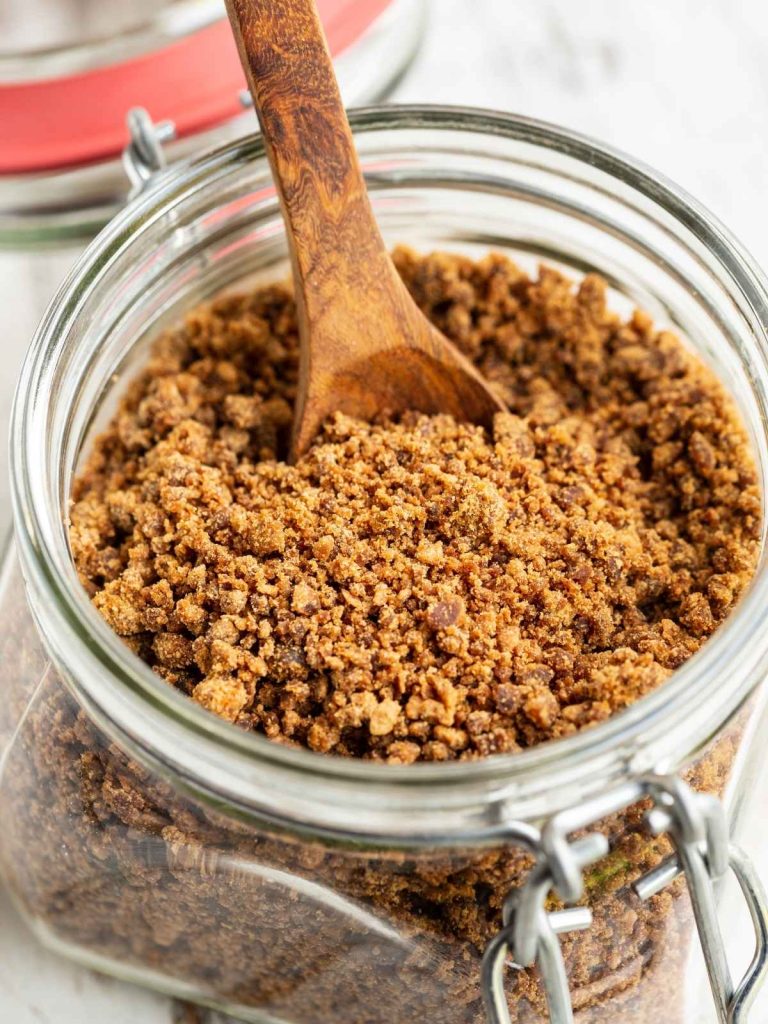
Coconut sugar possesses a unique blend of flavors that set it apart from traditional sweeteners. Its profile includes subtle notes of caramel and butterscotch, which can enhance the taste of various dishes. This distinct taste is attributed primarily to the process of extraction, where the sap is evaporated, leading to a rich, complex flavor that pairs well with both sweet and savory recipes.
- Unique Components Contributing to Taste
The flavor profile of coconut sugar derives from its unique composition, notably the presence of minerals, antioxidants, and other phytochemicals. These components interact harmoniously, resulting in a taste that is not only sweet but also layered with earthy undertones. The sap is rich in nutrients, contributing to its deeper flavors, unlike refined sugars that lack such complexities.
- Influence of Fructose and Sucrose on Palate
Fructose and sucrose play significant roles in shaping the palate experience of coconut sugar. With a noteworthy fructose content of approximately 35%, coconut sugar provides a sweet taste that is often perceived as less overpowering than that of traditional table sugar. Sucrose, while present at about 60%, balances the sweetness, making it versatile for various culinary applications.
When analyzing the impact of fructose and sucrose levels, the sweetness of coconut sugar offers a gentler approach to flavor. Fructose not only sweetens but also enhances the depth of taste, allowing it to blend seamlessly in recipes without dominating the overall flavor profile. For instance, in baking, coconut sugar can impart a warm, slightly caramelized flavor, while the sucrose helps maintain structural integrity. This combination creates an enjoyable sweetness that elevates dishes without the cloying sensation often associated with refined sugars, providing a nuanced taste experience that appeals to diverse palates.
The Chemical Composition: Fructose vs. Sucrose

Coconut sugar’s unique flavor profile and color derive largely from its chemical composition, particularly its fructose and sucrose content. Sucrose is a disaccharide formed by the combination of glucose and fructose, while fructose is a simple sugar that offers its own sweet characteristics. Analyzing the ratio of these two sugars reveals important implications for coconut sugar’s sweetness and health effects.
- Breakdown of Sugar Types in Coconut Sugar
The sugar composition of coconut sugar varies, but a typical analysis reveals a notable presence of both fructose and sucrose. In general, the breakdown can be summarized as follows:
- Fructose: Approximately 35-45% of total sugars
- Sucrose: Approximately 60% of total sugars
- Glucose: Minimal amounts present
- Total Sugars: Approximately 70-80%
- Assume that the remaining content consists of other components such as vitamins and minerals.
| Sugar Type | Percentage |
|---|---|
| Fructose | 35-45% |
| Sucrose | 60% |
| Glucose | Minimal |
| Total Sugars | 70-80% |
| Other Components | Various |
- Nutritional Aspects of Each Sugar Component
Coconut sugar’s fructose and sucrose have differing nutritional implications. While fructose is metabolized differently from glucose and sucrose, potentially impacting blood sugar levels less significantly, sucrose can contribute to rapid spikes in blood sugar. Fructose, when consumed in moderation, is often deemed less harmful than refined sugars, yet excessive intake can lead to metabolic issues. The minerals found in coconut sugar, such as potassium and magnesium, further enhance its nutritional profile, making it a more appealing option for health-conscious consumers.
Evaluating the Health Impacts of Fructose and Sucrose
Fructose and sucrose both have distinct implications for health, primarily due to their metabolic pathways. While they do contribute to energy production, their effects on the body can vary widely. The potential health risks associated with excessive intake of these sugars have been subjects of extensive research. Understanding their impact on weight, insulin sensitivity, and overall metabolic health is important for informed dietary choices.
- Metabolic Effects of Fructose in Coconut Sugar
Fructose metabolism differs significantly from glucose, leading to divergent effects on metabolic health. When consumed, fructose is primarily processed in the liver, which can lead to lipogenesis, or fat creation, when intake is excessive. This can contribute to insulin resistance and increased triglyceride levels. However, the fructose levels in coconut sugar are lower than in many processed sweeteners, potentially reducing these negative effects.
- Sucrose’s Role in Energy Production and Overall Health
Sucrose, composed of glucose and fructose, serves as a fundamental energy source. The body rapidly breaks down sucrose into these two components, allowing for immediate energy availability. In moderate amounts, sucrose can effectively fuel physical activity and support overall metabolism, contributing positively to daily energy needs. However, excessive consumption can lead to health issues such as obesity and dental problems.
Data suggests that sucrose enhances athletic performance by providing a quick energy boost during physical activities, making it a popular choice among athletes. Regular monitoring of intake is important, however, to avoid the long-term health complications associated with high consumption levels. Moderation is key, as the balance between energy benefits and potential metabolic issues must be maintained to ensure optimal health outcomes.
The Role of Processing on Sugar Levels in Coconut Sugar
Processing methods significantly influence the fructose and sucrose levels in coconut sugar, dictating both flavor and nutritional value. From harvesting techniques to the final stages of production, each step can alter the concentration of sugars, affecting overall quality and marketability. Understanding these processes can help consumers make informed dietary choices based on their sugar consumption preferences.
- Harvesting and Production Techniques
Harvesting and production methods play crucial roles in determining the sugar profile of coconut sugar. Traditionally, sap extracted from coconut blossoms is collected by climbing the palm trees and carefully tapping the flower buds. This sap is then boiled down to create coconut sugar, and variations in boiling time and temperature can lead to fluctuations in sugar composition.
- How Processing Alters Fructose and Sucrose Concentrations
Processing techniques directly impact the fructose and sucrose levels in coconut sugar, with variations dependent on factors such as the duration of boiling and the addition of other ingredients. For instance, longer boiling times often lead to higher sucrose concentrations while potentially reducing the overall fructose content. Studies suggest that proper heat management during production can optimize flavor and sweetness, balancing the fructose and sucrose levels for the final product.
The careful balance of environmental conditions during processing also matters greatly. In one instance, a study noted that when artisans boiled the sap at lower temperatures for extended periods, they achieved a flavor profile with distinct notes of caramel while maintaining higher fructose levels. Simultaneously, rapid boiling can lead to excessive moisture loss, concentrating the sucrose content. This dynamic continues to influence how coconut sugar is perceived in both culinary and health contexts.
Consumer Insights: What to Consider When Choosing Coconut Sugar
Selecting coconut sugar involves understanding its composition and benefits. She must evaluate factors such as its glycemic index, which is lower than white sugar, making it a favorite among those seeking healthier alternatives. They should also assess the processing methods, as organic varieties typically have minimal processing, preserving nutrients. Familiarity with the brand’s sourcing practices can provide insights into sustainability and ethical production methods, which resonate with conscious consumers seeking to make informed choices.
- Label Reading: Identifying Sugar Levels
Effective label reading is imperative for determining the sugar levels in coconut sugar products. He should look for total carbohydrate content alongside the specific sugars, fructose, and sucrose levels. This information, often listed per serving, allows him to compare coconut sugar with other sweeteners. Identifying the presence of additives, such as binders or preservatives, also aids in making healthier choices and ensures that the product aligns with dietary needs.
- Myths and Realities About Coconut Sugar’s Health Claims
Numerous claims surround coconut sugar, especially regarding its health benefits. While it is often marketed as a healthier alternative, particularly for those concerned about glycemic indexes, misconceptions persist. Coconut sugar contains trace nutrients like potassium and zinc; however, the quantities are minimal and do not significantly contribute to daily nutritional needs. Additionally, its caloric content and sugar profile closely resemble that of regular sugar, which can mislead consumers into thinking it is a guilt-free sweetener.
Claims about the superiority of coconut sugar over other sweeteners sometimes stem from its lower glycemic index. While this index indicates a slower rise in blood sugar, it does not mean it is calorie-free or devoid of health consequences if consumed excessively. Furthermore, misconceptions often overlook that coconut sugar is still primarily sucrose, with roughly the same energy yield as traditional sugar.
Summing up
Hence, the analytical insights into fructose and sucrose levels in coconut sugar reveal that it possesses a unique carbohydrate profile, distinguishing it from other sweeteners. They find that while coconut sugar contains both fructose and sucrose, it also offers additional nutrients and a lower glycemic index. Note that understanding these components is vital for consumers seeking healthier alternatives to traditional sugars. Ultimately, he concludes that informed choices regarding coconut sugar can contribute to overall dietary well-being.