
People need to understand that coconut sugar is gaining popularity in the global market as a healthier alternative to refined sugars. To ensure that this product meets international standards for export, you must navigate the rigorous lab testing processes involved. You will explore key parameters that need to be assessed during lab testing coconut sugar, such as moisture content, pH levels, and microbial analysis. By adhering to these guidelines, they can ensure high-quality coconut sugar is ready for certification, enabling a successful entry into overseas markets.
Table of Contents
Decoding Chemical Composition: What Should Be Tested?

Lab testing for coconut sugar must focus on various chemical parameters that influence both its quality and safety. These tests provide insights into its nutritional value, presence of harmful substances, and overall market acceptability, ensuring compliance with export certification standards. Specific compounds such as glucose, fructose, sucrose, and other carbohydrates must be analyzed, along with their ratios to determine potential impacts on flavor and sweetness. Moreover, understanding the water activity level can indicate the sugar’s stability and shelf life.
- Essential Nutrients and Micronutrients
Analyzing crucial nutrients and micronutrients is fundamental for determining coconut sugar’s health benefits. Coconut sugar is known for having a rich profile of vitamins and minerals, with potassium, magnesium, and zinc being the most notable. Testing for these elements allows exporters to highlight the nutritional advantages that can attract health-conscious consumers while also meeting regulatory requirements.
- Harmful Contaminants and Their Detection
Detection of harmful contaminants is imperative for ensuring consumer safety and meeting export standards. Testing protocols must include checks for pesticide residues, heavy metals, and microbiological contaminants such as Salmonella and E. coli. Each type of contaminant poses distinct risks—pesticides can impact intestinal health, while heavy metal exposure can lead to serious long-term health effects.
The testing methods employed to detect harmful contaminants involve sophisticated techniques such as gas chromatography for pesticide residues and mass spectrometry for heavy metals. Regulatory bodies often set permissible limits, and results must align with these standards to ensure the safety of coconut sugar for both local and international markets. For example, the maximum allowable limit for lead is typically set at 0.1 mg/kg. Therefore, conducting regular and thorough lab tests not only helps in maintaining market trust but also protects public health.
Microbial Safety: Ensuring Product Integrity

Microscopic organisms pose significant threats to the food supply, requiring rigorous testing of coconut sugar to assure customers of its safety. By adhering to microbial safety standards, exporters enhance the integrity of their products and maintain consumer confidence while actively preventing foodborne illnesses. Comprehensive assessments assist in identifying potential hazards, which is vital for maintaining quality throughout the supply chain.
- Common Microbial Contaminants Found in Coconut Sugar
Coconut sugar can harbor various microbial contaminants, including bacteria such as Salmonella and E. coli, as well as molds like Aspergillus and Penicillium. These pathogens can develop during processing due to inadequate sanitation, moisture exposure, or improper storage conditions. Recognizing these potential contaminants is necessary in mitigating risks and ensuring a safe product for consumers.
- Laboratory Methods for Microbial Testing
Several laboratory techniques are employed to detect microbial contaminants in coconut sugar, including culture methods, molecular techniques like PCR, and rapid testing kits. Each method offers unique advantages, allowing quality assurance teams to accurately assess microbial load and identify specific pathogens present in the product.
Culture methods involve cultivating specimens on selective media to isolate and quantify microorganisms. This traditional approach provides a comprehensive overview of microbial diversity but can take several days to yield results. Molecular techniques, such as polymerase chain reaction (PCR), offer speed and precision by detecting genetic material from specific pathogens in just a few hours. Rapid testing kits combine both approaches, utilizing immune assays for quick screening, appealing to manufacturers needing fast turnaround times without sacrificing accuracy.
Authenticity Verification: Guarding Against Adulteration
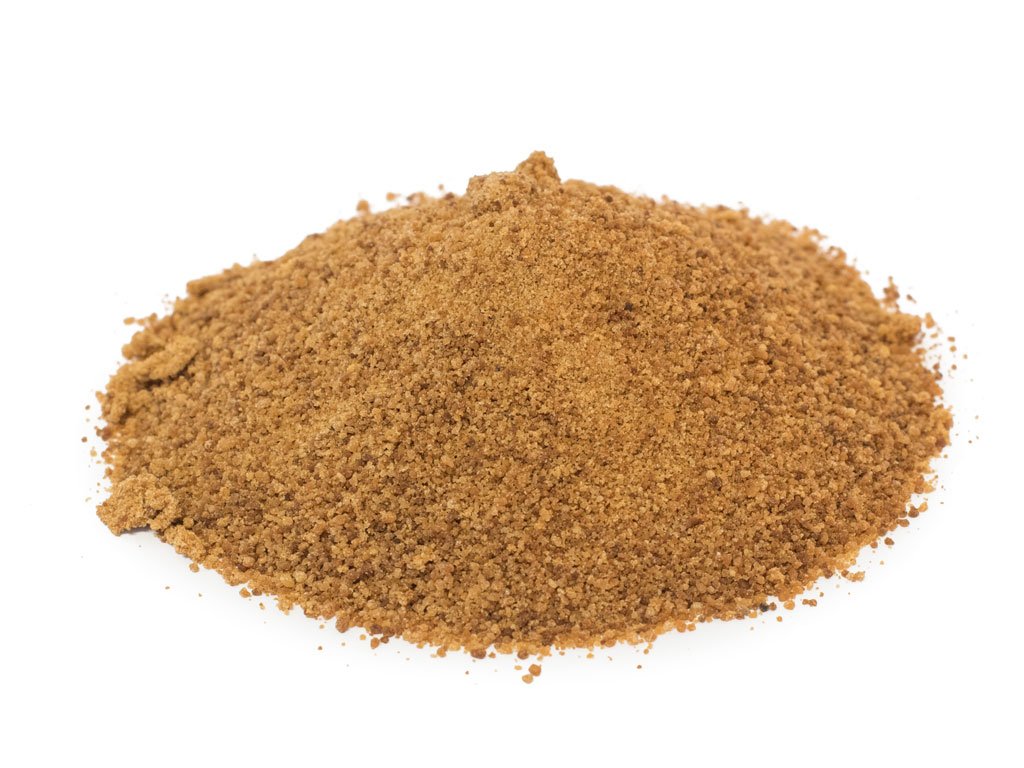
Adulteration of coconut sugar poses substantial risks to both consumer health and the international market. Rigorous authenticity verification measures are imperative to ensure that the product remains unaltered and genuine. Quality assurance protocols must be established to detect any instances of dilution or contamination with lower-quality sweeteners or additives that may compromise the integrity of coconut sugar.
- Techniques for Assessing Purity
Various analytical techniques can be deployed to assess the purity of coconut sugar. Gas chromatography, for instance, helps identify specific sugar profiles and any foreign compounds. High-performance liquid chromatography (HPLC) further enables the differentiation between genuine coconut sugar and mixtures by analyzing the carbohydrate composition. These methodologies, alongside sensory evaluation methods, provide a holistic approach to guaranteeing authenticity.
- Identifying Indicators of Adulterated Coconut Sugar
Several indicators are indicative of adulteration in coconut sugar, including changes in color, texture, and flavor. Genuine coconut sugar typically displays a rich brown hue and a moist, crumbly texture. Delving into the composition, an unexpected increase in glucose or fructose levels may suggest the addition of other sweeteners. Furthermore, an unusual sweetness intensity or the presence of off-flavors can signal contamination with inferior products or artificial sweeteners.
In a practical context, testing for indicators of adulteration can involve checking for physical changes in coconut sugar. For example, genuine product should not have any excessive granulation or artificial white sugar presence, which is a common adulterant. Additionally, using a refractometer can measure overall sugar concentration, aiding in identifying diluted samples. Consumers and exporters alike should remain vigilant, as visual inspection combined with laboratory analysis is critical for maintaining product quality and authenticity.
Quality Control Metrics: Standards for Export Certification
Quality control metrics play a pivotal role in securing export certification for coconut sugar such as Inagro Jinawi, focusing on various parameters that guarantee product integrity and safety. These metrics encompass factors such as moisture content, color grading, and total soluble solids. Additionally, testing for contaminants—including heavy metals and pesticide residues—ensures compliance with international market requirements, thereby enhancing consumer trust and meeting buyer expectations.
- International Standards and Regulations
Global trade in coconut sugar is governed by a series of international standards, such as those set by the Codex Alimentarius and the European Union regulations. These frameworks articulate permissible limits for contaminants and define quality specifications to ensure consumer safety. Compliance with such standards is fundamental for exporters seeking access to lucrative markets, as non-compliance can lead to product recalls and reputational damage.
- Importance of Adherence to Quality Parameters
Adhering to established quality parameters safeguards both the product’s marketability and the health of consumers. Failure to meet these standards can result in severe consequences, such as rejection of shipments and financial losses. For instance, a batch of coconut sugar tested with pesticide levels exceeding the permissible limit can lead to significant repercussions, including regulatory fines and loss of consumer trust.
By maintaining a strict adherence to quality parameters, producers can mitigate risks associated with contamination and ensure product excellence. Regular compliance testing promotes transparency and builds strong relationships with buyers who prioritize quality assurance. Additionally, quality adherence can enhance brand reputation, allowing producers to penetrate higher-value markets or establish certifications that further validate their products’ integrity.
The Role of Certification Bodies: Who Holds the Authority?
Certification bodies serve as the backbone of the coconut sugar export process, ensuring compliance with international health and safety standards. These organizations validate the quality of products, issuing certifications that are recognized globally. They hold the authority to enforce regulations and guidelines, acting as intermediaries between producers and importing countries, making their role indispensable in the export certification framework.
- Key Organizations Governing Coconut Sugar Certification
Several key organizations oversee the certification of coconut sugar, including the International Organization for Standardization (ISO), Food and Drug Administration (FDA), and various national agricultural ministries. These bodies establish guidelines for production, handling, and marketing that exporters must adhere to, ensuring product safety and quality across borders.
- Processes Involved in Certification and Compliance
The certification and compliance processes encompass a series of steps designed to assess and verify the quality and authenticity of coconut sugar. This typically includes document submission, on-site inspections, and laboratory testing to ensure adherence to specified standards. Each step is crucial to building a complete profile of the product and its production methods.
During the certification process, exporters must submit comprehensive documentation, including production methods and traceability records. Following this, certification bodies carry out inspections at production facilities to assess compliance with both local and international regulations.
Laboratory testing plays a pivotal role in identifying chemical composition, nutritional value, and contaminants. Upon successful completion of these stages, the organization issues a certification, but the monitoring does not end there. Regular audits may be mandated to ensure ongoing compliance with evolving standards, reinforcing the integrity of certified products throughout their lifecycle.
Conclusion
Upon reflecting on lab testing coconut sugar for export certification, it becomes evident that proper evaluation of key parameters ensures both compliance and quality. You must consider aspects such as moisture content, sugar composition, and microbial safety, as these factors contribute significantly to marketability and consumer safety.
By adhering to these testing protocols, they can facilitate the acceptance of coconut sugar in international markets, thereby supporting producers and advancing trade opportunities. Ultimately, a rigorous approach to lab testing will serve to enhance the reputation and reliability of coconut sugar as a premium export product.