Lately, coconut sugar’s kinda taken over the shelves in Europe health food sector. It’s everywhere—like, blink and suddenly it’s in your pantry. People are all about it because, apparently, it doesn’t spike your blood sugar as much as regular old white sugar. So yeah, folks trying to eat healthier or just, you know, feel a little less guilty about their coffee or pancakes are jumping on the bandwagon.
Plus, it’s got this cool, caramel-y vibe going on—way more interesting than boring table sugar. You’ll spot it in all sorts of recipes now; honestly, it’s starting to look like a must-have for anyone who’s even remotely into food trends. I guess alternative sweeteners aren’t just a phase—coconut sugar’s basically moved in and unpacked its bags.
Table of Contents
The Rise of Coconut Sugar in Europe’s Organic Market

The surge in popularity of coconut sugar within Europe’s organic market reflects a growing consumer demand for healthier, more sustainable sweeteners. As shoppers increasingly scrutinize ingredient labels, coconut sugar, derived from the sap of coconut palm trees, offers an appealing alternative to processed sugars. This shift aligns with a broader movement towards organic and natural food products, driven by a desire for transparency and health consciousness among European consumers.
- Historical Background: Coconut Sugar’s Journey to Popularity
Coconut sugar has long been a staple in Asian cuisines, particularly in countries such as Indonesia and the Philippines. However, it began to gain traction in Europe around the early 2000s, when health-conscious consumers started seeking natural sweeteners devoid of chemical processing. The rise of health blogs and social media played a pivotal role in showcasing coconut sugar’s merits, leading to its introduction in health food stores and organic markets across Europe.
- Market Analysis: Growth Trends in Health Food Consumption
Health food consumption in Europe has shown remarkable growth, with the organic food market booming, reporting a 10% increase in sales over the past year. Coconut sugar has benefited from this trend, seeing a year-on-year growth of 15% in sales volume. More consumers are embracing a holistic approach to health, steering them towards products that claim lower glycemic index values, nutritional benefits, and environmentally friendly sourcing. Notably, millennials and Gen Z consumers are particularly influential in this shift, favoring authentic brands that align with their lifestyle choices, and coconut sugar resonates with their values of sustainability and wellness.
In addition to the rise in health food consumption, the European organic market has become more diversified, with various retailers incorporating coconut sugar into their product lines. Major supermarket chains have recognized this trend, offering coconut sugar in bulk, alongside organic alternatives, thus making it more accessible. The strong growth trajectory is expected to continue, as more consumers seek out wholesome substitutes for traditional sweeteners, indicating a promising future for coconut sugar within this dynamic sector.
Health Benefits That Fuel the Trend
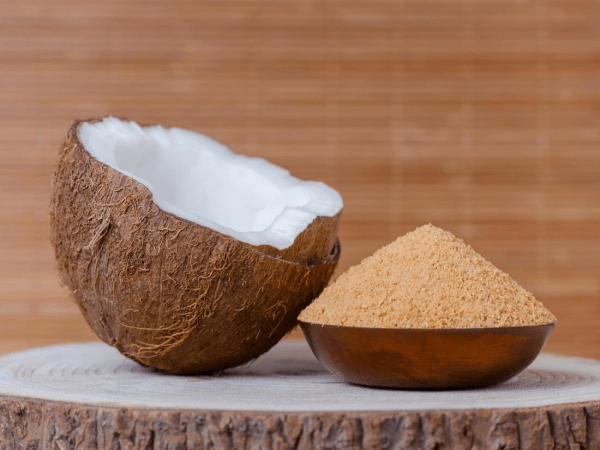
The rise of coconut sugar in Europe’s health food sector is closely tied to its array of health benefits. Often touted as a more natural alternative, coconut sugar retains many nutrients found in the coconut palm, including iron, zinc, and vitamins B1, B2, and B3. Additionally, it contains antioxidants that can combat oxidative stress. As consumers become increasingly health-conscious, they are leaning towards sweeteners that not only satisfy their cravings but also provide nutritional benefits, positioning coconut sugar as a compelling option amidst rising health concerns.
- Nutritional Profile: Coconut Sugar vs. Traditional Sweeteners
In comparing coconut sugar to conventional sweeteners like white sugar and high fructose corn syrup, coconut sugar boasts a more favorable nutritional profile. While traditional sweeteners offer empty calories devoid of nutrients, coconut sugar contains vital vitamins and minerals that can contribute to a balanced diet. With a composition of around 70-80% sucrose and small amounts of glucose and fructose, coconut sugar also provides a richer flavor, which can enhance culinary dishes beyond mere sweetness.
- The Role of Glycemic Index in Consumer Choices
The glycemic index (GI) plays a significant role in shaping consumer choices today. Coconut sugar has a lower GI of 35 compared to white sugar’s GI of 60-65, meaning it causes a slower rise in blood glucose levels. This slow absorption can lead to improved energy levels and reduced hunger spikes, making it a preferred option for those monitoring their blood sugar. For individuals with insulin sensitivity or diabetes, the glycemic index becomes a crucial factor in determining suitable sweeteners, solidifying coconut sugar’s spot on the shelves of health-conscious consumers.
Sustainability and Ethical Sourcing

Across Europe, consumers are increasingly drawn to products that promote sustainability and ethical sourcing. Coconut sugar stands out not only for its health benefits but also for its environmentally friendly characteristics. Made from the sap of coconut trees, this sweetener requires less land and water compared to conventional sugar crops, reducing its ecological footprint. Furthermore, its production is less energy-intensive, appealing to eco-conscious consumers who are keen on minimizing their impact on the planet.
- Environmental Impact: Why Coconut Sugar is a Greener Choice
Coconut sugar boasts a significantly lower environmental impact when compared to regular sugar. For instance, it requires approximately 90% less water and can be cultivated on marginal land, which helps conserve biodiversity. The coconut palm also absorbs more carbon dioxide, contributing positively to the environment. Additionally, its cultivation can prevent deforestation and supports sustainable farming practices, reaffirming its reputation as an eco-friendly alternative.
- Supporting Local Economies: Trade Practices and Fair Trade
Coconut sugar’s popularity aligns with fair trade practices that empower local farmers, particularly in developing nations. Many producers of coconut sugar are small-scale farmers who benefit from fair trade principles, ensuring they receive fair wages and support for their communities. By purchasing coconut sugar, consumers actively contribute to these farmers’ livelihoods, helping to foster economic stability and improve living conditions in rural areas.
The fair trade movement has made significant strides in the coconut sugar industry, facilitating direct trade relationships that bypass intermediaries, thereby returning a larger share of profits to the producers. For example, organizations such as Fair Trade Certified advocate for transparent pricing, ensuring farmers are not only compensated fairly but also encouraged to adopt sustainable agricultural practices.
Culinary Versatility and Consumer Preferences
Coconut sugar’s adaptability has made it an attractive option for various sectors within the health food industry. Chefs and home cooks alike appreciate its unique caramel-like flavor that enhances both sweet and savory dishes. As consumers seek out more natural food sources, coconut sugar’s clean label appeal—free of artificial ingredients and additives—aligns well with their preferences for wholesome, nutritious options.
- Consumer Behavior: Shifting Tastes and Preferences
The shift toward healthier eating habits has significantly influenced consumer preferences in Europe, with many individuals gravitating toward products they perceive as wholesome and sustainable. Brands have noticed a marked increase in demand for alternatives to refined sugars, driving the popularity of coconut sugar. This aligns with the growing awareness around health issues such as obesity and diabetes, leading consumers to seek out lower glycemic options that still provide the sweetness they desire.
Recent studies indicate that nearly 50% of European consumers are now actively looking for natural sweeteners, as highlighted in market analysis by health-focused organizations. Shoppers are educated, preferring to read labels and research the ingredients in their food. Many express concerns about the impacts of processed ingredients on their health. As coconut sugar emerges as a viable alternative, it resonates with a consumer base motivated by sustainability, authenticity, and health consciousness, ensuring its place on grocery shelves and restaurant menus alike.
Industry Insights: Experts Weigh In
Insights from industry experts highlight the underlying factors driving the popularity of coconut sugar in the European market. Analysts note its increasing availability, coupled with a shift in consumer taste towards more natural sweeteners. Data indicates that organic coconut sugar sales have surged by 35% in the last year alone, reflecting a broader trend towards clean label products.
- The Perspective of Nutritionists and Health Advocates
Nutritional experts advocate the use of coconut sugar as a healthier alternative to refined sugars, citing its lower glycemic index and higher mineral content. They emphasize that, compared to traditional sweeteners, coconut sugar provides a more favorable glucose response, making it a wise choice for individuals managing blood sugar levels. This endorsement from health professionals adds credibility to the product, driving consumer demand and encouraging retailers to stock it.
- Retailer Insights: Why Stores are Prioritizing Coconut Sugar
Retailers are increasingly prioritizing coconut sugar due to its alignment with current consumer preferences for health-conscious and sustainable products. The demand for coconut sugar has prompted grocery chains to expand their offerings, with many reporting increased foot traffic and sales linked to the introduction of coconut sugar into their aisles. Stores are drawn to its versatility, often merchandising it alongside other health food items and organic products, enhancing overall shopping experience and positioning themselves as leaders in the health food sector.
To wrap up
Summing up, the rising popularity of coconut sugar in Europe’s health food sector can be attributed to its natural origins and potential health benefits. People recognize its lower glycemic index compared to traditional sugars, making it an attractive option for health-conscious consumers. Furthermore, sustainability appeals to those seeking eco-friendly products, while its unique flavor profile enhances various culinary applications. As awareness grows, they anticipate continued demand for coconut sugar in healthy lifestyles across Europe.