
Coconut sugar isn’t just another “healthy” trend influencers sprinkle in their oat milk lattes. Nope, this stuff comes straight from the sap of coconut palm trees—way fancier than the boring white stuff in the diner sugar jar. And it’s not just about the taste. People are talking about coconut sugar as a prebiotic, which is basically code for “your gut bacteria are gonna throw a rave.”
Honestly, with everybody obsessed with gut health and probiotics these days, coconut sugar prebiotic makes sense. People trying to figure out if coconut sugar actually does anything for your belly. So, let’s get into it: does this tropical sweetener actually help your gut, or is it just another health food fad? Time to find out if coconut sugar’s got the goods or if it’s just riding the wellness hype train.
Table of Contents
The Nutritional Profile of Coconut Sugar Prebiotic

Coconut sugar boasts a diverse nutritional profile that differentiates it from other sweeteners. Rich in necessary nutrients, it provides not only energy but also vitamins and minerals. Notably, it contains antioxidants and has a lower glycemic index compared to traditional sugars, making it a favorable choice for those seeking healthier alternatives.
- Key Components Contributing to Gut Health
Coconut sugar contains inulin (4.7 gram/100 gram), a soluble fiber that acts as a prebiotic, promoting the growth of beneficial gut bacteria. This fiber aids in digestion and enhances gut health, leading to improved nutrient absorption and potentially reducing gastrointestinal issues. Additionally, it provides trace minerals like zinc and iron, which further support metabolic functions.
- Comparison with Traditional Sweeteners
Let’s be real—coconut sugar isn’t magic fairy dust, but it runs circles around old white sugar and that syrupy nightmare, high-fructose corn syrup. First off, it’s got less fructose, which is good news since too much of that stuff is basically asking for trouble (metabolic syndrome, anyone?). Plus, coconut sugar actually brings some nutrients, not just empty calories. And hey, if you’re watching your blood sugar, it doesn’t spike you as fast. So yeah, if you’re gonna sweeten your coffee or bake some cookies, coconut sugar’s probably the smarter pick.
Nutritional Comparison Table
| Coconut Sugar | Traditional Sweeteners |
|---|---|
| Lower Glycemic Index (35) | Higher Glycemic Index (up to 80) |
| Contains Inulin Fiber | No Fiber Content |
| Rich in Zinc, Iron, Antioxidants | Minimal Nutrient Content |
Regular old white sugar? Pretty much empty calories and not doing your body any favors. You eat it, you get that wild sugar rush, and then boom, crash city. Coconut sugar, on the other hand, is like, “Hey, let’s take it slow.” It’s not just dumping sugar into your bloodstream; it’s got a bit of fiber and releases energy more gradually, so you’re not climbing the walls one minute and slumped on your desk the next. Plus, you actually feel fuller, which is kind of a miracle when it comes to sweet stuff.
Health Impact Comparison Table
| Health Impact of Coconut Sugar | Health Impact of Traditional Sweeteners |
|---|---|
| Supports gut health via prebiotics | Linked to obesity and metabolic disorders |
| Promotes nutrient absorption | May cause inflammation |
| Natural and less processed | Highly refined and artificial options |
Unpacking Prebiotics: The Key to Gut Dynamics

Prebiotics are basically the VIP snacks for your gut’s good bacteria. You eat stuff with these fibers—think bananas, garlic, onions, all that—and your body can’t break them down, but your gut bugs throw a party. When those little guys are happy, your whole system runs smoother. Better digestion? Yup. Immune system gets a boost? For sure. People act like it’s all super complicated, but honestly, just feeding your gut crew the right stuff makes a world of difference. Don’t sleep on prebiotics—they’re kinda the unsung heroes in keeping your belly and the rest of you feeling good.
- Defining Prebiotics and Their Role in the Microbiome
Prebiotics are specialized plant fibers that humans cannot digest but are necessary for fueling beneficial bacteria in the gut. They selectively encourage the growth of good bacteria, such as bifidobacteria and lactobacilli, which have been linked to several health benefits, including enhanced immunity and reduced inflammation. As these bacteria ferment prebiotics, they produce short-chain fatty acids that further contribute to gut health, supporting the entire microbiome ecosystem.
- How Coconut Sugar May Function as a Prebiotic
Coconut sugar contains inulin, a type of soluble fiber recognized for its prebiotic properties. This fiber serves as a food source for beneficial gut bacteria, promoting their growth while inhibiting harmful bacteria. Additionally, inulin’s fermentation in the gut leads to the production of beneficial short-chain fatty acids, which not only support the microbiome but also improve the overall integrity of the gut lining, possibly reducing the risk of digestive disorders.
Coconut sugar’s inulin content demonstrates its potential as a prebiotic, offering an alternative sweetener that aligns with gut health strategies. When included in a balanced diet, coconut sugar can support the proliferation of good bacteria, thereby enhancing overall gut function. The moderate sweetness combined with its complex carbohydrate profile makes coconut sugar a promising ingredient for those looking to boost their digestive health while satisfying their sweet cravings.
The Impact of Coconut Sugar on Gut Microflora
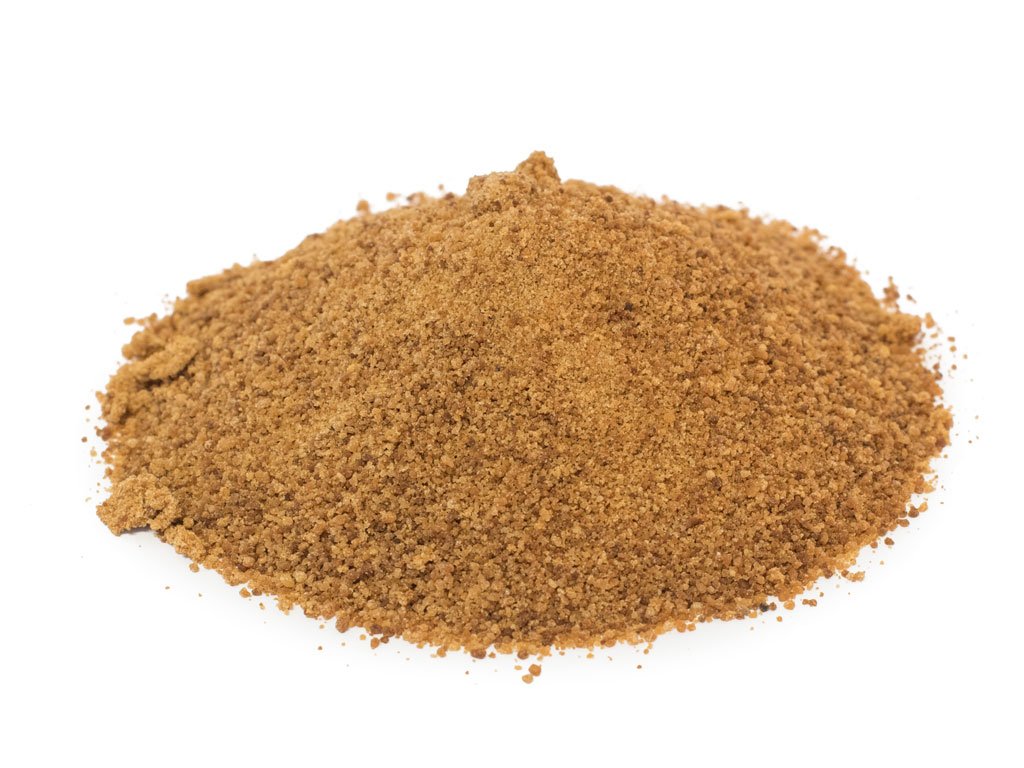
Coconut sugar can positively influence gut microflora, serving as a potential prebiotic source. Its composition includes a variety of nutrients and bioactive compounds that nourish beneficial bacteria while inhibiting pathogenic strains. This selective support fosters a balanced gut environment, which is vital for digestive health. By promoting a diverse microbiome, coconut sugar has the potential to contribute to overall health through improved nutrient absorption, enhanced immune function, and better metabolic regulation.
- Modulation of Bacterial Populations
The consumption of coconut sugar can lead to the modulation of bacterial populations in the gut. Its prebiotic properties promote the growth of beneficial bacteria, like Bifidobacteria and Lactobacillus, which play imperative roles in digestion and immune health. Research indicates that these favorable bacterial strains can outcompete harmful microorganisms, thereby enhancing gut health and resistance to infections.
- Short-Chain Fatty Acids: The Gateway to Health
Coconut sugar not only influences the microbial composition in the gut but also contributes to the production of short-chain fatty acids (SCFAs), like acetate, propionate, and butyrate. SCFAs are imperative for maintaining gut integrity and supporting various physiological processes. They serve as energy sources for gut cells, modulate immune responses, and can even influence metabolic health by improving insulin sensitivity.
Short-chain fatty acids, produced through the fermentation of dietary fibers by gut bacteria, have garnered attention for their significant health implications. Studies show that butyrate, in particular, plays a vital role in energy metabolism and acts as an anti-inflammatory agent. Beyond gut health, SCFAs can even impact brain health, with emerging research linking them to improved mood and cognitive function.
Integrating Coconut Sugar into a Gut-Friendly Diet
Incorporating coconut sugar into a gut-friendly diet can be straightforward. Individuals looking to enhance their gut health can easily substitute traditional sweeteners with coconut sugar in various recipes. This natural sweetener works well in baked goods, smoothies, and even savory dishes, enabling a versatile approach to healthy eating while delivering its prebiotic benefits.
- Practical Ways to Use Coconut Sugar
Coconut sugar serves as an excellent replacement for refined sugar in the kitchen. Bakers can replace white sugar with an equal amount of coconut sugar in most recipes, leading to a richer flavor. It is also a fantastic sweetener for beverages like coffee and tea. Furthermore, coconut sugar can enhance homemade sauces, marinades, and dressings, allowing one to enjoy sweetness without sacrificing health benefits.
- Balancing Sweeteners for Optimal Gut Health
Striking the right balance between various sweeteners is vital for gut health. Relying solely on coconut sugar isn’t the only strategy; combining it with low glycemic alternatives such as stevia or monk fruit can help maintain energy levels without spiking blood sugar. This balanced approach not only caters to diverse taste preferences but also minimizes potential gut disruptions caused by excessive sugar intake.
Balancing sweeteners is about finding harmony in flavors and health impacts. For instance, using a mix of coconut sugar and stevia can provide the desired sweetness with a lower caloric content, which is beneficial for those managing weight alongside gut health. In addition, different sweeteners have unique effects on the gut’s microbiota, providing synergistic benefits when combined appropriately.
The Future of Coconut Sugar in Nutritional Science
Coconut sugar is gaining traction as researchers examine deeper into its prebiotic potential and overall health benefits. With its unique composition, which includes inulin and other fibers, coconut sugar may play a significant role in developing strategies for enhanced gut health. As the global demand for natural sweeteners rises, scientific investigations surrounding their impact on metabolic health are becoming increasingly relevant. Insights gained from ongoing studies could significantly influence dietary guidelines and the sugar market in the near future.
- Emerging Research and Trends
New studies are emerging that explore the potential of coconut sugar as a functional food. Researchers are noting its prebiotic effects and how these could contribute to gut microbiome health. With more consumers gravitating toward organic and unrefined sweeteners, coconut sugar’s growth in the market signals an important shift in dietary preferences, aligning with burgeoning trends in health and wellness.
- Implications for Health and Wellness
The health implications of incorporating coconut sugar into diets are notable. Research indicates that its fiber content can facilitate digestion while potentially supporting the maintenance of beneficial gut bacteria. Additionally, as populations become more health-conscious, coconut sugar may serve as an attractive alternative to refined sugars, reducing overall sugar consumption without sacrificing flavor.
Studies suggest that the prebiotic components of coconut sugar contribute to improved gut health, encouraging the growth of beneficial bacteria like bifidobacteria and lactobacilli. This shift could have profound implications for digestive disorders, metabolic syndrome, and even mental health, given the established gut-brain connection.
To wrap up
Honestly, coconut sugar’s got people buzzing about its prebiotic perks—like, maybe it gives your gut bacteria a little high-five. Its makeup is kinda different from regular sugar, so folks think it could help the good bugs in your belly do their thing better. Sure, we don’t have all the answers yet (science is always playing catch-up), but swapping it in now and then might give your gut a boost. Bottom line? If you’re into taking care of your insides, coconut sugar’s a pretty interesting option to toss into the mix.