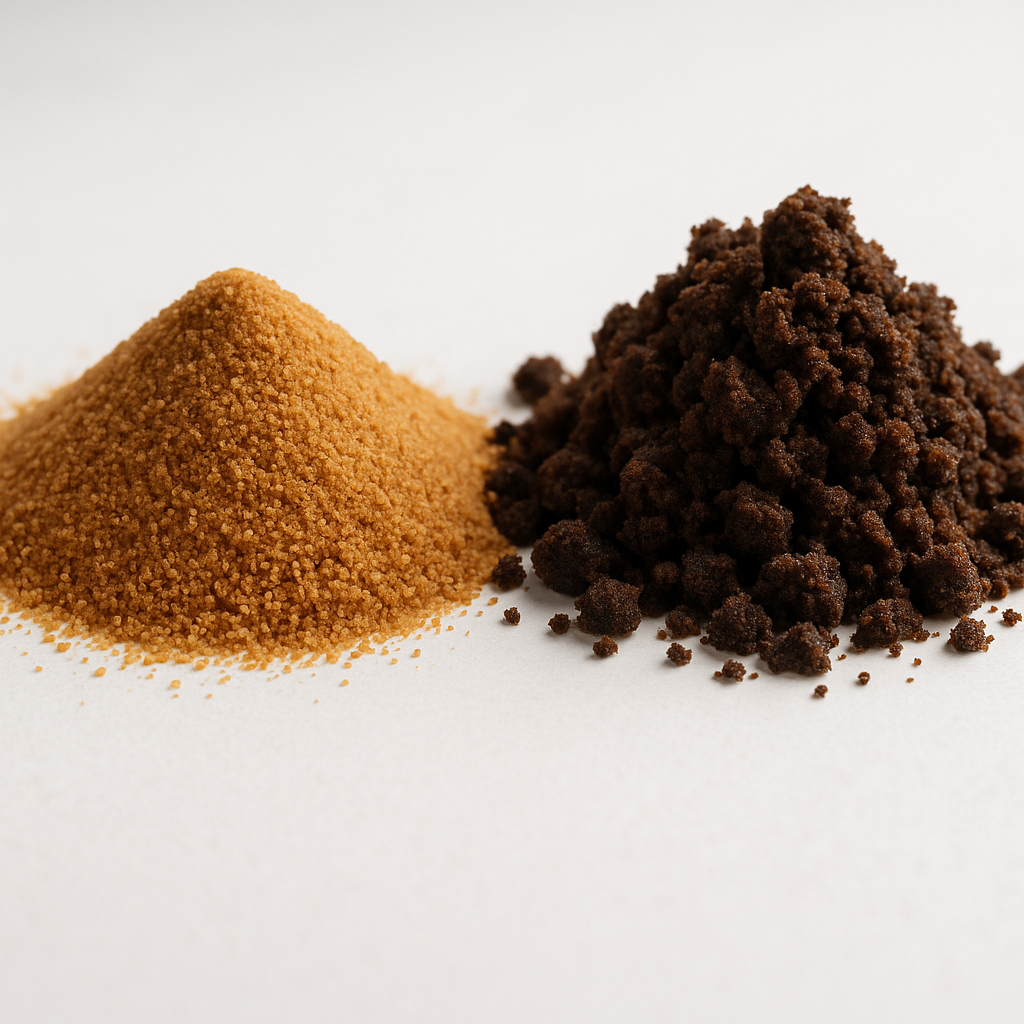
Does this stuff actually go bad?
Coconut sugar doesn’t spoil like fresh food—it’s too dry and low in moisture for mold or bacteria to thrive. But does coconut sugar expire in any meaningful way? Technically yes, though not in a food-safety sense. Over time it can harden, pick up odors, or develop a slightly off taste if stored somewhere humid. While it won’t hurt you, the flavor and texture might shift after a few years in a damp cupboard.
The truth about those dates on the bag
That “best by” date stamped on the bag isn’t an expiration deadline—it’s a manufacturer’s estimate of peak quality. Brands print it for liability and freshness guidance, not because the sugar turns dangerous afterward. Stored properly, coconut sugar remains perfectly usable well beyond that date. Think of it as a suggestion rather than a rule.
How long it’ll realistically stay good in your pantry
Most coconut sugar holds up for one to two years in the pantry, sometimes longer. Humidity and temperature swings pose the real threats, not time itself. Left in a hot, damp kitchen, it might shift in texture and taste, but that’s not a safety issue. Keep it sealed and you’ll be stirring it into your coffee long past the printed date.
In a cool, dry spot inside an airtight container, coconut sugar can easily last three years or more. It might clump up over time, but that’s not the same as spoiling. If it hardens, a quick smash with a spoon—or a slice of bread left in the jar overnight—softens it right back up. The flavor stays remarkably stable, and as long as there’s no strange smell or visible moisture, it’s fine to use. Realistically, the only way it truly goes bad is if it gets forgotten for a decade, and even then it might still pull through.
Here’s the real deal on storing it right
It’s tempting to assume coconut sugar lasts forever just sitting in the pantry, but storage matters more than people think. Keep it sealed and dry and you’ll stretch its life well past the date on the bag. Get the storage wrong, though, and you’ll be tossing it sooner than you’d like.
Why the original packaging just doesn’t cut it
That flimsy bag it ships in isn’t built for the long haul. Air and moisture work their way in fast, and before long the sugar turns clumpy or worse. Once the bag’s been opened, it offers almost no real protection against humidity—so if it’s left exposed, quality drops a lot faster.
Finding the sweet spot in your kitchen
Heat and light quietly degrade pantry staples. A cool, dark cabinet away from the stove or dishwasher is ideal. Stash it near steam or sunlight and it’ll degrade noticeably faster. A stable spot keeps it pouring freely for months, sometimes years.
Your spice drawer might seem convenient, but if it sits right above the kettle or beside the oven, skip it. That constant low-level warmth speeds up degradation even if you can’t see it happening. The best spot feels consistently cool to the touch—something like a lower cabinet near the fridge. Temperature swings add up over time, and once the sugar hardens into a brick, you’ll wish you’d moved it sooner. Understanding water activity in coconut sugar explains why humidity control matters so much. Keep it tight, keep it dark, and it’ll sweeten your coffee worry-free for a long stretch.
How to tell if it’s time to toss it
Does coconut sugar expire in your pantry? It can sit there for over a year without spoiling, but degradation still happens. If it smells off, has clumps that won’t break apart, or shows signs of moisture, that’s your signal to let it go. Worth checking for bugs or mold too, since nobody wants surprise pantry guests.
The sniff test and other weird signs
A sour or musty smell is the clearest red flag—moisture exposure does that. Fresh coconut sugar should smell warm and caramel-like, so if it doesn’t, trust your nose. Discoloration or a sticky texture are also worth paying attention to. And if it tastes bitter or fermented, don’t risk it. Some off-flavors develop from storage issues rather than spoilage, but either way the quality’s compromised.
What to do if you find some pantry friends
Finding tiny bugs in a bag of coconut sugar happens more often than people expect, and it’s usually about pests rather than the sugar itself going bad. First step: toss the contaminated bag right away. Then clean the shelf with soapy water, since bugs love to wander into neighboring containers.
Infestations tend to start when sugar sits too long in warm, humid conditions—moisture and heat speed up both spoilage and pest problems. Store it in an airtight container away from the stove or sink. If bugs have been an issue, bay leaves or silica packets nearby (not touching the sugar) can help. Rotating stock and using older bags first goes a long way too. And honestly, if a bag’s been sitting untouched for two years, it might be time to just let it go.
Dealing with those annoying sugar clumps
Opening a jar of coconut sugar to find it’s turned into a solid mass is frustrating, but it’s almost always about moisture sneaking in and the natural sugars sticking together. Clumping doesn’t mean does coconut sugar expire or spoil—it just makes the sugar harder to work with. The good news? It’s fixable, and the sugar inside is still perfectly fine to use.
Why your sugar turned into a literal brick
Moisture is the culprit nearly every time. Even a bit of humidity from the kitchen air can get absorbed and start the clumping process. Once it hardens, it’s not spoiled—just annoying. This texture change is purely physical, not a sign anything’s wrong with the sugar. The glass transition temperature of coconut sugar explains why it cakes in humid climates. Proper storage heads this off before it starts.
My go-to trick for softening it back up
Got a brick of hardened coconut sugar? No need to toss it. Drop a slice of bread or a piece of apple into the jar and leave it overnight. By morning, the sugar pulls just enough moisture from the food to loosen back up. It’s simple, cheap, and it actually works—and the sugar performs exactly the same in recipes afterward.
The reason this works so well is that the bread or apple releases moisture slowly, softening the sugar without making it wet or sticky. Seal the jar tight and let it sit for eight to twelve hours, then check in the morning and crumble any stubborn bits with a fork. This trick keeps coconut sugar usable for months past its prime, whether you’re using coconut sugar in dry rubs or fermenting with it for kombucha. With the right storage and a few small habits, it stays good far beyond the date on the label. Before tossing a hardened jar, it’s worth asking whether it actually went bad—or just got stored the wrong way. Nine times out of ten, it’s the storage.
The Real Answer
So does coconut sugar expire in a way you need to worry about? Not in terms of safety—but quality does slip over time. Stored properly in an airtight container away from heat and humidity, expect a solid shelf life of around two years, often more. Exposed to moisture, it’ll clump and eventually mold, which is why sealed, dry storage matters. Odd smells, discoloration, or unusual browning mean it’s time to toss it. But age alone isn’t the deciding factor—how it’s been stored determines whether does coconut sugar expire gracefully or degrades fast. Get the storage right, and you’ll enjoy consistent sweetness for years.