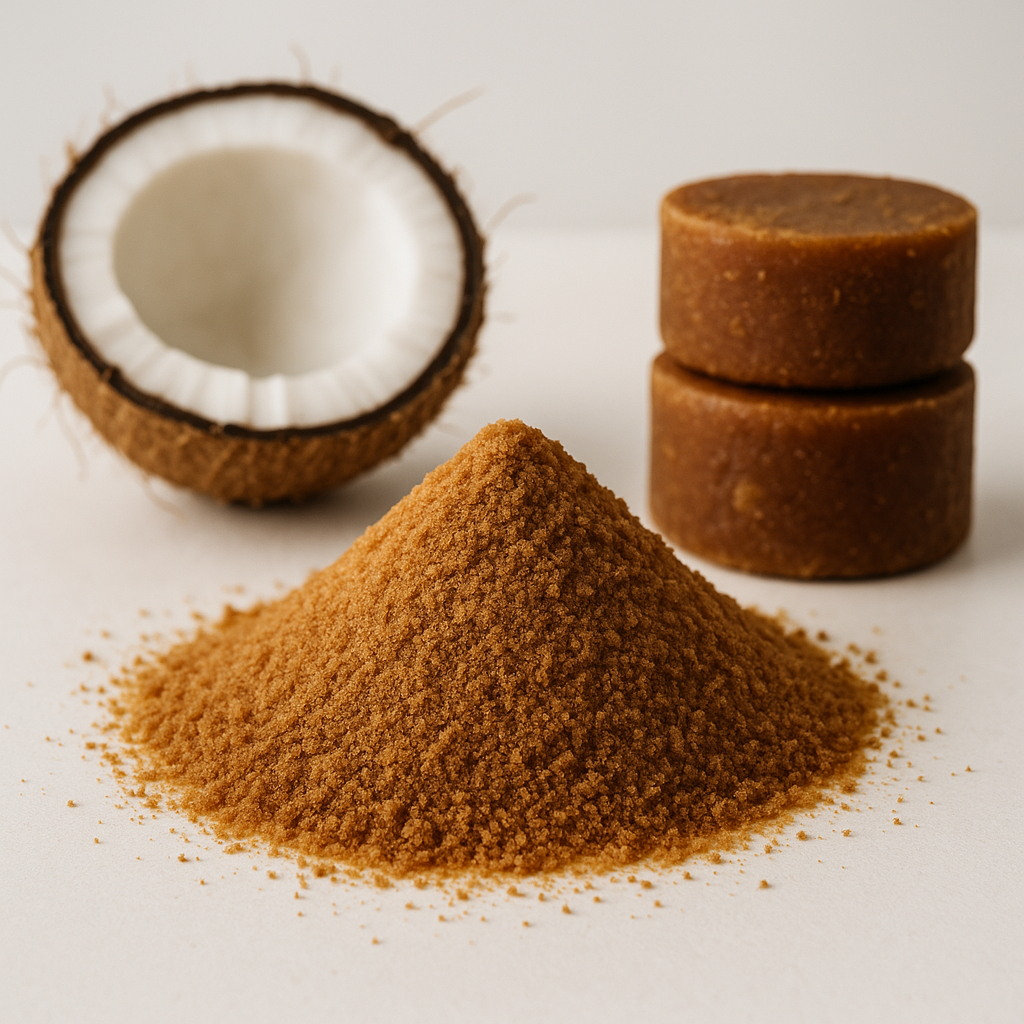

Standing in the grocery aisle, puzzled by the rising cost of coconut sugar, is a familiar moment for plenty of shoppers. It’s not imagination – prices really do swing, and not randomly. Understanding Why Coconut Sugar Prices Fluctuate requires looking at real-world forces: weather swings, shifting demand, and government export rules. The impact lands directly in everyday budgets, and it ties to farms thousands of miles away.
One bad storm season in the Philippines and supply shrinks overnight – prices jump before the news even breaks. Demand spikes during health food trends, when suddenly everyone wants a low-glycemic sweetener. Then export policies change – bans, tariffs, quotas – and the ripple hits the pantry. No economics degree is needed here, just an understanding of how these three forces connect. Weather disrupts harvests. Demand pulls prices up when trends boom. Export policies can freeze shipments or open floodgates. The pattern makes sense once the chain gets traced – from tropical groves to the kitchen counter.
Why the weather’s actually messing things up
Coconut sugar might seem like a product of some high-tech lab, but it’s really just nature’s timing and temperament at work. Weather patterns directly impact harvests – monsoons, droughts, and unpredictable growing seasons all play a role long before markets get involved. When trees suffer, so do yields, and that shows up at checkout.
Mother Nature doesn’t always play nice
One season brings steady blooms and perfect temps, and the next, everything’s off. Typhoons hit too early, or dry spells stretch too long. These shifts disrupt sap flow in coconut palms, slashing production fast. That instability feeds straight into Why Coconut Sugar Prices Fluctuate, no middleman needed.
When it rains, it really pours on the crops
Heavy rains don’t just slow harvests – they ruin them. Saturated soil drowns roots, while constant moisture invites mold and pests. Tappers can’t climb trees in storms, so sap collection stops. Supply drops, and prices rise. This is a big part of the puzzle.
It’s not just about how much it rains, but when and where. A downpour during flowering can wipe out an entire season’s potential yield. And because coconut farming relies on smallholder growers with limited resources, pivoting to new methods overnight isn’t an option. When fields flood, recovery takes months – sometimes years. That lag means the market stays tight, demand stays high, and the price effects linger. There’s no quick fix when the land itself is underwater. Growers wait, markets wait, and shoppers pay more in the meantime.
Seriously, why is everyone suddenly obsessed with it?
Coconut sugar has been popping up in everything from artisanal granola to trendy lattes lately – and it’s not just a fad. The spike in popularity ties directly into Why Coconut Sugar Prices Fluctuate, as demand surges faster than supply can keep up. Consumers chasing “natural” sweeteners are driving a global shift, and when people want it, they really want it – and that pressure shows in the price.
The real deal about the health hype
“Lower glycemic” and “rich in minerals” get thrown around a lot, but let’s be real – coconut sugar isn’t a miracle food. Sure, it has a slight edge over refined sugar, but it’s still sugar. The buzz fuels demand, and that plays a role in the price climbing. Marketing wins, but the body processes it pretty much the same way.
Why food companies can’t get enough
Labels screaming “natural sweetener” fly off shelves, and brands know it. A snack that sounds wholesome gets bought more often, even when the difference is marginal. This perception drives massive demand, adding another layer to the price puzzle. When every new product wants that clean-label edge, supply chains strain – and that strain shows up at checkout.
Food manufacturers aren’t just jumping on a trend – they’re responding to what buyers are willing to pay for. Because coconut sugar can be marketed as sustainable, plant-based, and less processed, it fits perfectly into the wellness narrative. But when dozens of brands source from the same regions – mostly the Philippines and Indonesia – any weather disruption or export restriction hits hard. That competition for limited batches is a core reason Why Coconut Sugar Prices Fluctuate the way they do. And when a major buyer locks in a huge order, smaller producers get priced out overnight.
Let’s talk about all that government red tape
One day coconut sugar is flying off shelves, and the next, shipments are stuck in limbo. That’s often because of shifting export rules. Governments tweak policies for sustainability, trade deals, or political reasons – and the price reflects it. It isn’t just about supply and demand. Bureaucracy plays a real role, slowing exports, adding delays, and quietly inflating costs. Paperwork really does make a sweetener pricier.
How export taxes make everything pricier
Taxes on exports can spike overnight – no warning, just higher costs. When a producing country adds a levy on coconut sugar shipments, exporters pass that cost down the chain. It’s not a small bump either – sometimes it’s 15%, 20%, even 30% more. Sudden price jumps often trace back to these policy moves. The product itself hasn’t changed – just the tax sitting on top of it.
Those new rules you didn’t see coming
A favorite brand suddenly disappearing or doubling in price isn’t unheard of. Last year, Indonesia quietly tightened export quotas to keep more coconut sugar for local use. No announcement, no transition – just chaos in global supply. Unpredictable price swings often come down to sudden regulatory shifts like this, leaving distributors scrambling.
One day everything’s fine – orders are shipping, prices are stable. Then, new labeling requirements, restricted harvest zones, or mandatory certifications drop without warning. These rules often aim to protect farmers or the environment, but they disrupt flow. Exporters must adapt fast, and those changes cost money. It isn’t always about weather or demand – sometimes it’s just red tape. And because most global supply comes from just a few countries, one policy shift can ripple worldwide. The cost of that compliance lands somewhere down the chain, often without anyone realizing it existed.
It’s way harder to make than you’d think
Coconut sugar might seem like just dried sap from a tree – simple, right? But the reality is messy, labor-intensive, and far from easy. Every step, from tapping the flower sap to boiling it down and crystallizing it, demands precision and timing. One wrong move and the whole batch can spoil. This complexity directly feeds into Why Coconut Sugar Prices Fluctuate – supply can’t quickly respond to demand when production is this delicate.
The struggle of finding enough skilled workers
Tapping coconut palms without damaging them takes more skill than most people realize. It’s not just climbing – it’s knowing when and how to cut the flower stalk for optimal sap flow. Experienced tappers are in short supply, and training new ones takes months. When farms can’t staff properly, output drops – another piece of the puzzle.
Getting it from the farm to your shelf
Getting coconut sugar from a remote village to a pantry shelf involves more steps than most people would guess. After harvest, it’s often transported by motorbike over rough roads to collection centers. Then it moves to processing facilities, gets packaged, cleared through customs, and shipped overseas. Each stage adds cost and delay.
One delay at a port or a sudden customs inspection can hold up containers for weeks. Shipping costs themselves swing wildly depending on global freight rates – and when supply chains hiccup, prices react fast. Even something as simple as a missed ferry between islands can ripple all the way to supermarket shelves. This fragile journey is a major piece of the story – it’s not just about how much gets made, but how hard it is to get it where it needs to go. Every bump in the road adds pressure to the final price.
What’s the deal with the global price swings?
Coconut sugar prices jumping around like a hyperactive toddler – no warning, no pattern – is a common complaint. That’s because global prices don’t just react to supply and demand; they’re tangled in a messy web of weather disasters, sudden export bans, and shifting consumer trends. It isn’t just about harvests – it’s about how fast the entire chain, from farm to shelf, can adapt when one piece wobbles.
My take on the currency exchange mess
A dip in the Philippine peso hitting a grocery bill sounds strange, but it happens. When local farmers get paid in weaker pesos but sell into dollar-priced markets, someone’s got to cover the gap – and that cost usually flows downstream. Exchange rates twist the real cost of coconut sugar, making imports pricier overnight, even if nothing changed on the farm. Some of Why Coconut Sugar Prices Fluctuate isn’t agricultural at all – it’s financial jiu-jitsu.
Why shipping costs are still a headache
Shipping still feels like gambling – $800 one month, $2,500 the next for the same container. Port delays, fuel spikes, and empty return trips keep logistics unstable. The backbone of global trade hasn’t settled since the pandemic chaos. Wild swings often come down to who’s charging what to move a box across the ocean this week.
And it’s not just distance or fuel – shipping routes depend on balance. Too many containers stuck in the wrong country, and rates skyrocket. Add in seasonal port congestion or a typhoon knocking out a major hub, and suddenly a shipment of coconut sugar is riding a freight rollercoaster. Every delay piles on fees, and those get passed down the chain. It isn’t just about the crop – it’s about whether the bag made it on the right boat, at the right time, without getting stuck in a backlog in Singapore or Los Angeles.
So, will prices ever go back down?
Coconut sugar prices have been on a rollercoaster, and relief feels overdue. Weather patterns are stabilizing in key producing regions, and that could ease pressure on supply – but don’t expect a steep drop. Global demand keeps climbing, especially as more people seek alternatives to refined sugar. It isn’t just about crops – it’s also about what buyers want and how countries manage exports. Long-term growth is expected, which means prices may stay firm. The volatility comes down to a mix of nature, consumer habits, and policy shifts – and none of those are disappearing.
What I think we’ll see next year
Next year might bring slight relief, but cheap coconut sugar isn’t coming back anytime soon. Harvests in the Philippines and Indonesia look better than last season, which helps. Yet rising demand in Europe and North America will likely absorb any surplus. Price stability will still hinge on how well farmers adapt to climate shifts. Small dips might show up, but overall, expect stability at a higher baseline than five years ago.
Is it worth sticking with coconut sugar?
Sticking with coconut sugar makes sense for anyone who values its low glycemic index and sustainable image. Yes, it’s pricier now, but it’s not just a sweetener – it’s part of a lifestyle choice. Why Coconut Sugar Prices Fluctuate shouldn’t overshadow its benefits for many health-conscious buyers. The market is adapting, and so can shoppers.
Even with price swings, coconut sugar offers something most sweeteners don’t – a story of small farms, eco-conscious production, and real nutritional trade-offs. The cost isn’t just about sweetness; it’s about supporting a system that’s trying to stay resilient. When droughts hit or export rules change, the cost jumps – that’s the reality behind the swings. But for many, the trade-off is worth it. Choosing this product, despite its volatility, aligns with broader values around health and sustainability.
The Forces Behind the Price Tag
Why Coconut Sugar Prices Fluctuate isn’t set by big companies alone – that’s not the full story. Weather patterns disrupting harvests play a major role. Shifting global demand matters too – more health trends mean more buyers chasing this natural sweetener. Export policies in producing countries can change overnight, and prices jump in response. It isn’t just one thing. It’s weather, demand, and policy all tangled together, coming down to real-world conditions rather than boardroom decisions. That’s the chain worth understanding the next time the price ticks up at checkout.