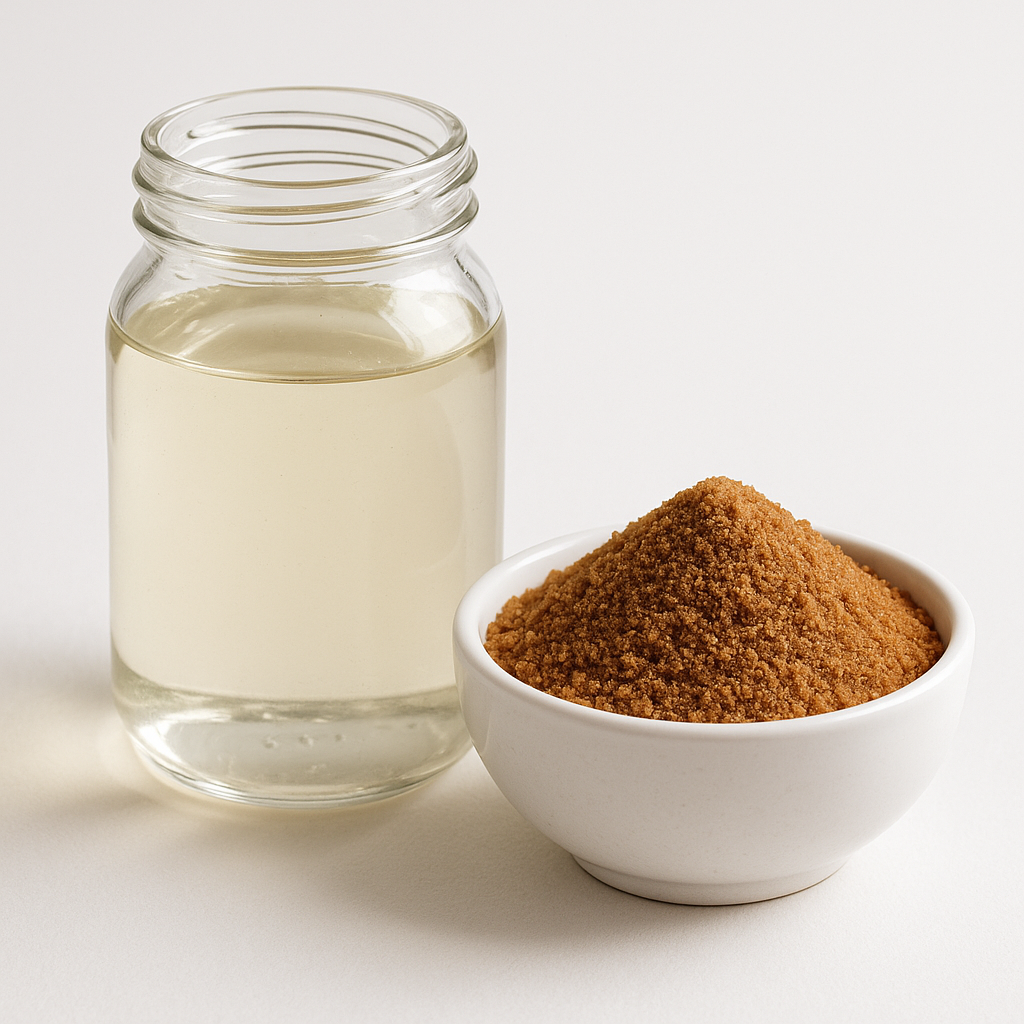
Plenty of home bakers are swapping corn syrup for coconut sugar these days, and for good reason. The real question is how Substitution Ratios actually work in practice – liquid versus dry sweeteners behave very differently, and getting the ratio right can make or break the final texture, moisture, browning, and shelf life. There’s no single rule that covers every recipe, which is where things get interesting.
Coconut sugar brings a caramel-like depth, but it doesn’t dissolve the same way corn syrup does. A straight 1:1 swap doesn’t work – the right ratio depends on what the recipe demands. Cookies and sauces have completely different needs.
For a smoother transition, start with 3/4 cup of coconut sugar for every 1 cup of corn syrup, then adjust from there. A splash of extra liquid usually makes up for the lost moisture.
Results will vary from one recipe to the next – but that’s part of the fun. Practice makes progress.
Why would you even want to ditch the corn syrup?
More people have been swapping out corn syrup for natural sweeteners lately – especially in homemade granola, energy balls, and baked treats. It’s not just a trend; it’s a shift toward cleaner labels and fewer processed ingredients. Once Substitution Ratios are dialed in, the way ingredients interact starts to matter a lot more, and that’s where smarter choices really pay off. Corn syrup doesn’t do a recipe many favors.
Honestly, corn syrup’s kind of a mess
It’s loaded with highly processed fructose and offers zero nutritional value – basically just empty sweetness with a sticky aftertaste. Many brands use high-fructose corn syrup, which studies link to insulin resistance and fatty liver when consumed in excess. Nobody would pour liquid candy into their morning smoothie on purpose – yet that’s effectively what’s happening every time corn syrup goes into a recipe without a second thought.
Why I think coconut sugar’s a total game-changer
It brings a rich, caramel-like depth that corn syrup can’t touch – plus trace minerals like zinc and iron. Because it’s less processed, it doesn’t spike blood sugar as hard. With the right ratio, it performs surprisingly well in everything from sauces to cookies. This isn’t just a swap – it’s an upgrade.
Coconut sugar works because it behaves more like brown sugar than expected, holding moisture and adding structure. The key is understanding Substitution Ratios – usually 1:1 by volume, but sometimes needing a touch of liquid to compensate for dryness. It caramelizes beautifully, so bars get that chewy texture without artificial goop. Once that balance clicks, corn syrup starts to feel unnecessary. And the flavor difference alone makes it worth the small adjustment period.
What the actual swap looks like
Plenty of charts claim corn syrup and coconut sugar swap one-to-one – don’t believe everything printed. These sweeteners behave totally differently in baking. Coconut sugar won’t dissolve like corn syrup, and it lacks moisture-retaining properties. That means cookies might crack, glaze might harden too fast, and texture could suffer. Real talk: this isn’t just numbers – it’s chemistry.
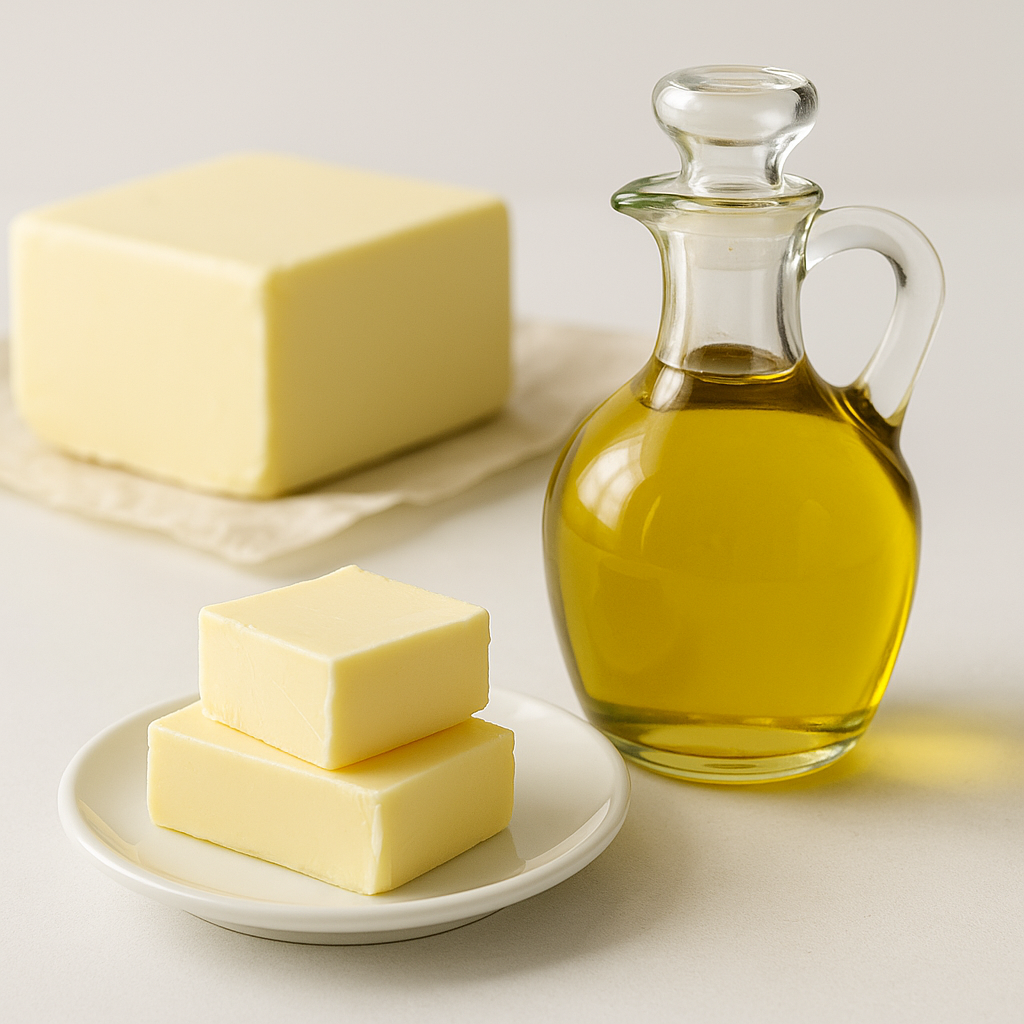
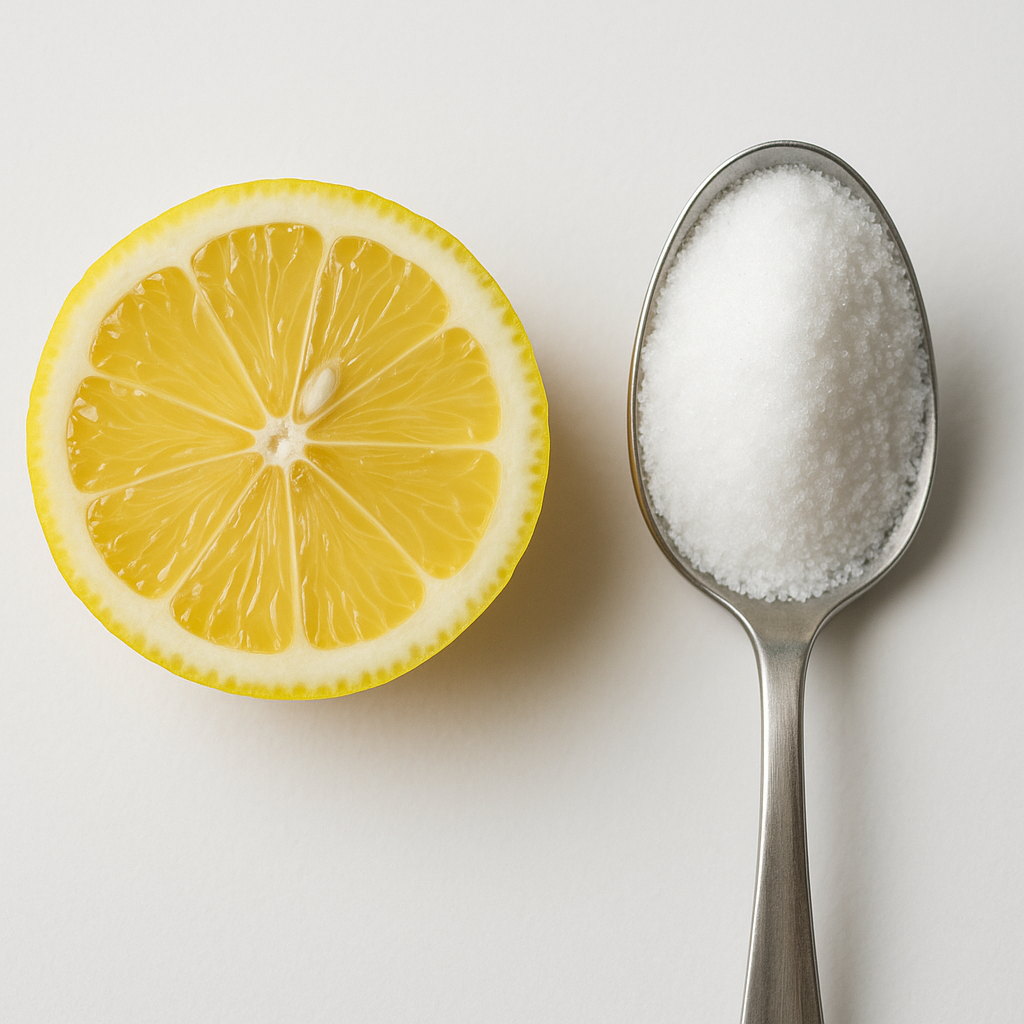
What’s the magic number for a simple swap?
The closest starting point is a 1:1 ratio by volume – but it’s not a clean win. That works only in recipes where moisture isn’t critical, like crumbles or certain spice blends. Even then, expect a grainier mouthfeel. The right ratio shifts fast once texture matters, so this isn’t a universal rule – it depends on more than just weight or volume. It’s about function.
Here’s where the math gets a little funky
A 1:1 switch might seem nailed down – then the cake turns out dry. That’s because coconut sugar doesn’t hold water like corn syrup. Adjustments for liquid content are usually needed – an extra 1-2 tablespoons of liquid per ¼ cup of coconut sugar used is a good starting point. The right balance isn’t static – it’s a moving target based on the recipe’s demands, and that changes everything.
Take a caramel sauce as an example. Corn syrup prevents crystallization – coconut sugar doesn’t do that nearly as well. So even if the swap looks balanced on paper, the science doesn’t lie. The invert sugar component is missing, which affects browning, shelf life, and smoothness. That’s why some bakers mix coconut sugar with honey or maple syrup – to mimic that behavior. It’s not just about sweetness – it’s about performance, and that’s where most home cooks get tripped up. A straight swap and a hopeful attitude won’t cut it; the chemistry has to be accounted for, not just the volume.
But what about the texture?
Texture changes everything when corn syrup gets swapped for coconut sugar – this isn’t just about sweetness. Liquid and dry sweeteners behave totally differently in recipes, so it’s not just sugar being replaced – moisture, spread, and chew all shift too. Understanding these Substitution Ratios is critical for maintaining optimal crumb color and texture.
My take on the whole liquid-to-dry struggle
It’s easy to assume dry sugars can’t mimic syrup’s gooey magic – but that’s not entirely true. Some tweaking is needed, sure, but it’s doable. Some stickiness gets lost, yes, but deeper flavor comes in return. And honestly, some recipes actually improve with less moisture. It’s not a perfect 1:1 fix, but with small adjustments, not much is lost.
How to keep your treats from getting too crumbly
Cracks and crumbs ruin more coconut sugar bakes than bad timing does. Extra moisture is usually needed to compensate for the missing syrup – a splash of plant milk or an extra egg yolk works well. Binders like flax or chia gel help too. Swapping without adjusting and hoping for the best rarely ends well, because nobody wants dessert that falls apart on the first bite.
Let’s talk about that flavor profile
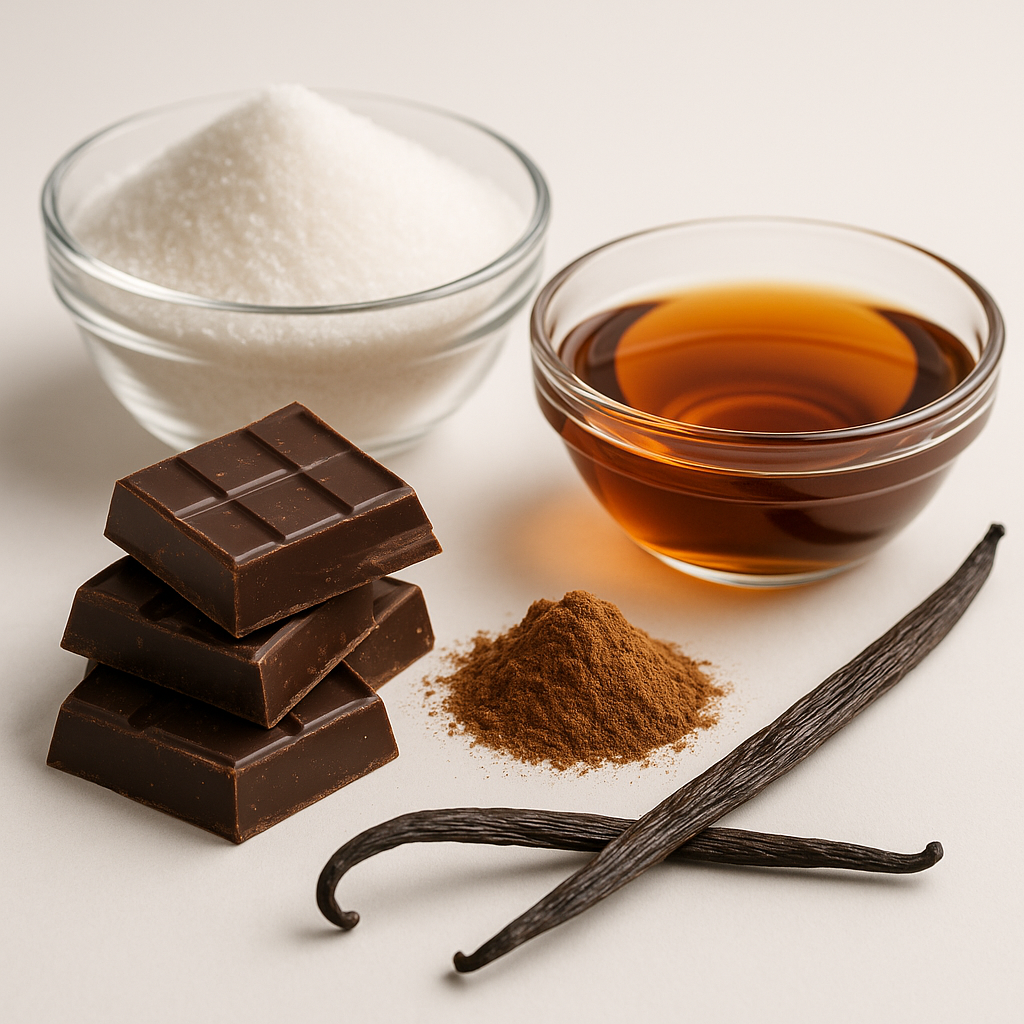
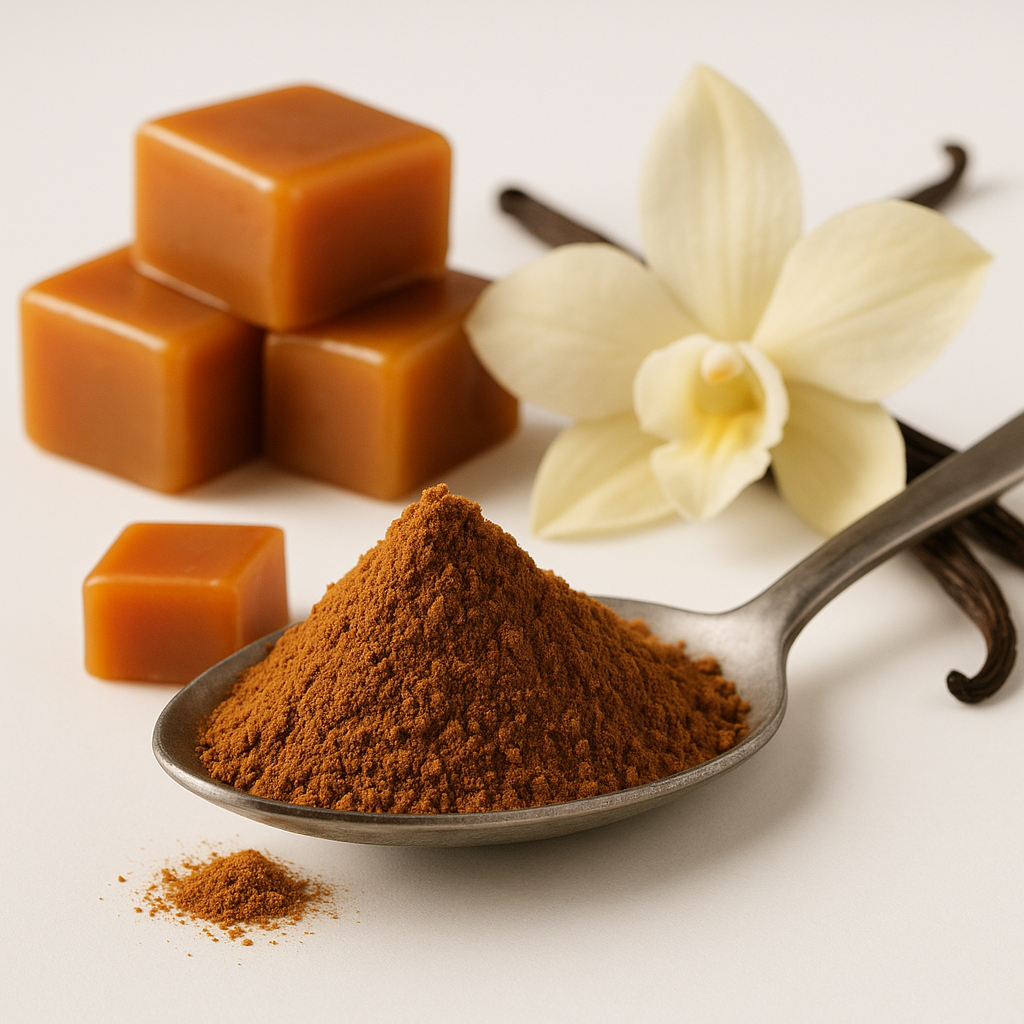
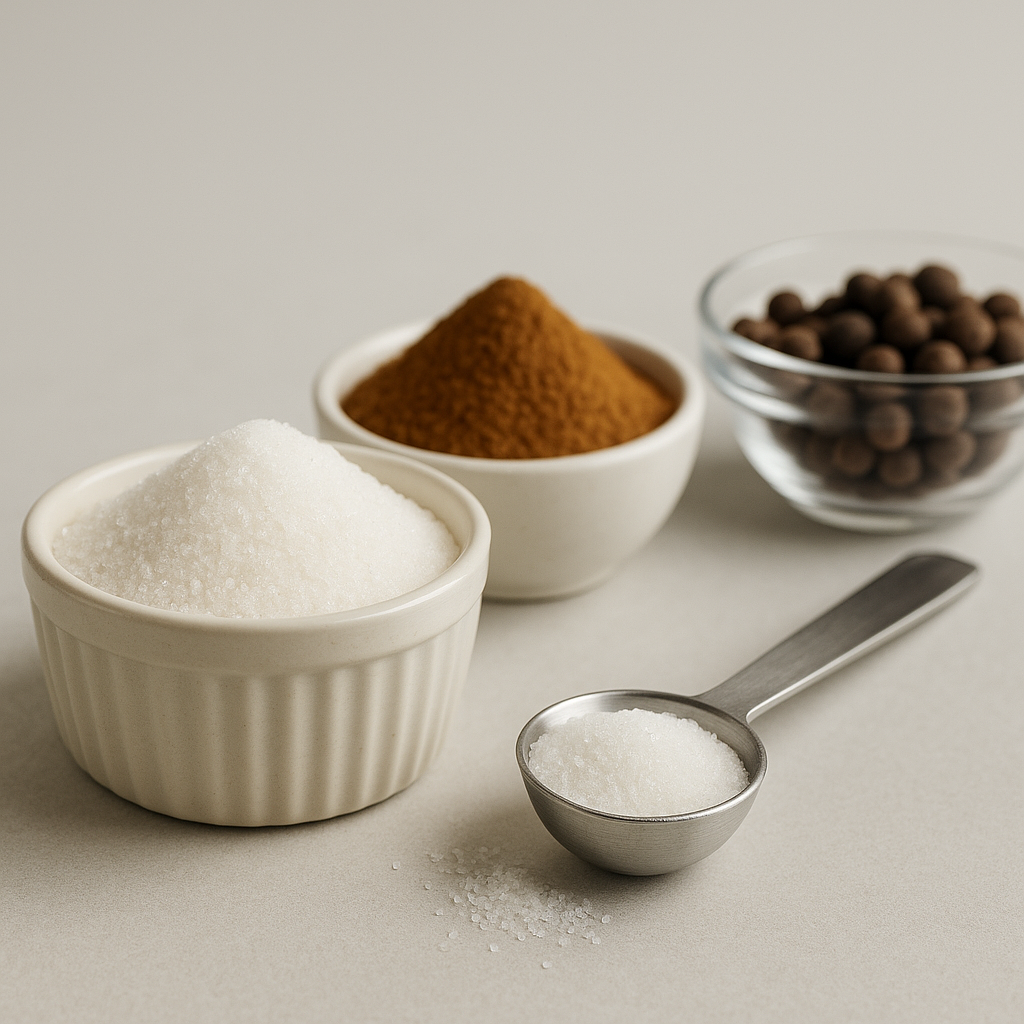
Swapping corn syrup for coconut sugar means expectations need to shift – pleasantly. While corn syrup plays it cool with a neutral sweetness, coconut sugar brings depth, almost like a whisper of brown sugar with a toasty edge. How bold that flavor comes through depends on how much gets used, so a straight 1:1 swap without tasting along the way isn’t recommended. The batter won’t bite back.
Seriously, that caramel taste is everything
That rich, buttery caramel note in coconut sugar isn’t subtle – and honestly, that’s a good thing. While corn syrup keeps things mild, coconut sugar turns up the warmth like a cozy kitchen in winter. Get the balance right, and that deep flavor enhances cookies, sauces, and glazes without overwhelming them. It’s not just a swap – it’s a flavor upgrade.
Is it gonna make your cookies look weird?
Cookies will look different, and that’s okay. Coconut sugar caramelizes faster than corn syrup, so the edges might get darker, almost like they’ve been kissed by the oven a little longer. Keep an eye on bake time, and that golden-brown glow is a sign of success, not a mistake.
Dark spots or uneven browning can happen if coconut sugar’s behavior under heat gets ignored. Unlike corn syrup, it contains natural molasses and minerals that react strongly when baked. This means cookies may spread less and develop a speckled, rustic appearance – totally normal. Using slightly less coconut sugar than corn syrup (maybe ¾ cup per 1 cup) helps balance texture and color. Stick close to that range, and the results will taste as good as they look. And if the cookies look homemade? That’s the goal anyway.
Does it actually bake the same way in the oven?
Standard ratios get the swap started, but don’t expect identical behavior in the oven. Coconut sugar caramelizes faster and doesn’t retain moisture like corn syrup, so cookies might spread less and crack on top. The texture shifts – crisp edges, denser center – and that glossy sheen? Gone. Substitution Ratios matter, but so does what happens once heat hits the pan.
Why things might brown way faster than usual
Browning kicks in fast – like, really fast – because coconut sugar has a lower burning point than corn syrup. One glance away and golden edges turn dark. This isn’t a fluke; it’s chemistry. The ratio doesn’t account for heat sensitivity, so keeping an eye on things and setting the timer early saves a lot of frustration. Understanding how caramelization pathways differ can help you adjust your baking approach.
The truth about how long your treats will last
They won’t stay soft for long. Coconut sugar doesn’t lock in moisture like corn syrup, so bars or cookies dry out quicker. Getting the ratio right helps with mixing, but it won’t save shelf life. Anything baked ahead should get eaten fast, or the swap might need rethinking. One day in, they’re fine. Day three? Not so much.
Moisture retention is where corn syrup really shines, and coconut sugar just can’t mimic that trait. Even with Substitution Ratios dialed in perfectly, shelf stability gets traded for a lower glycemic index. The treats might feel healthier, but they’re not built to last. Storing them airtight, maybe adding a slice of bread to help, keeps things from going stale too fast – though it won’t work miracles. Managing water activity levels helps with sweetness and structure, but it can’t rewrite food science.
A few quick tips so you don’t mess it up
- Measure coconut sugar by weight when replacing corn syrup for the most accurate results
- Blend the sugar into a fine powder first to mimic syrup’s texture
- Use a half-and-half mix of coconut sugar and liquid sweetener for balanced results
- Add a splash of water to prevent dryness and improve consistency
Once the ratio feels natural, baked goods turn out better and stay moist longer. Understanding proper granulation and mesh size can also improve how coconut sugar dissolves in your recipes.
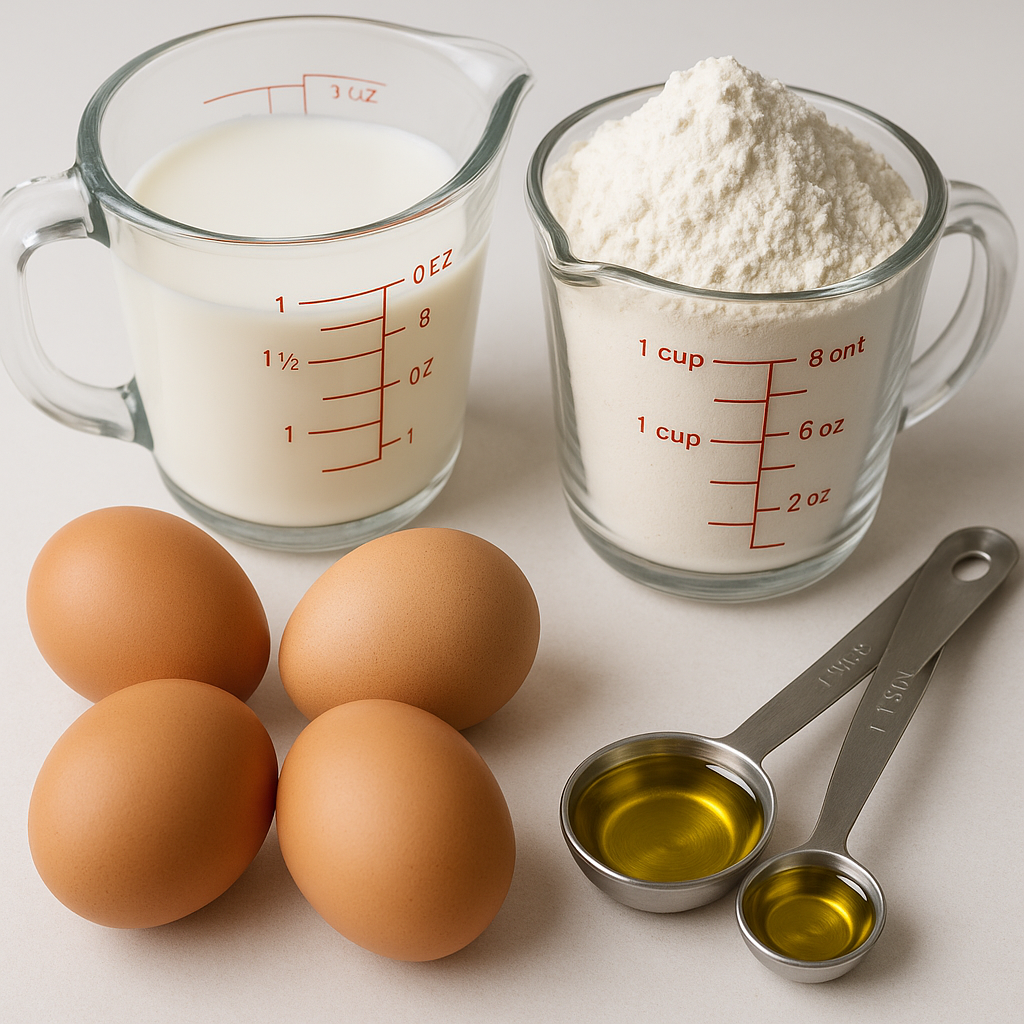
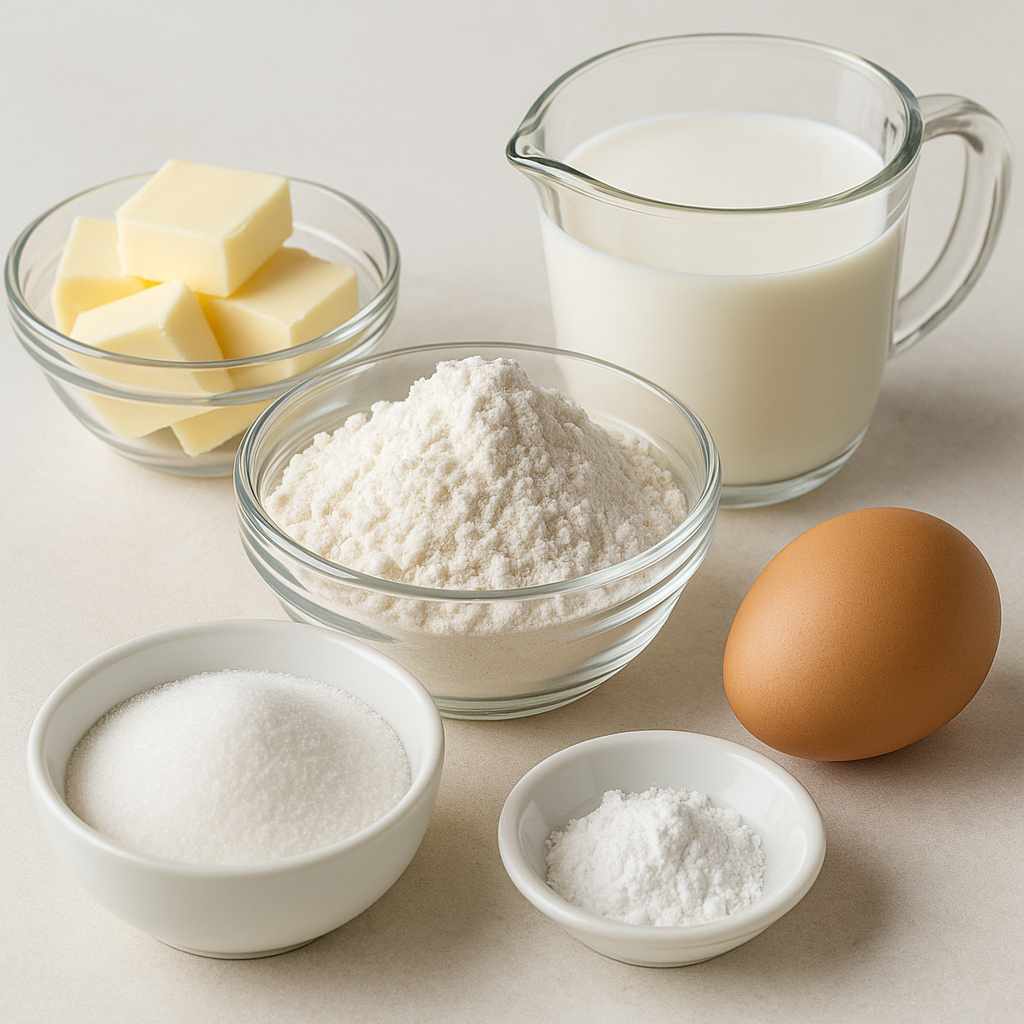
Why a half-and-half mix is usually better
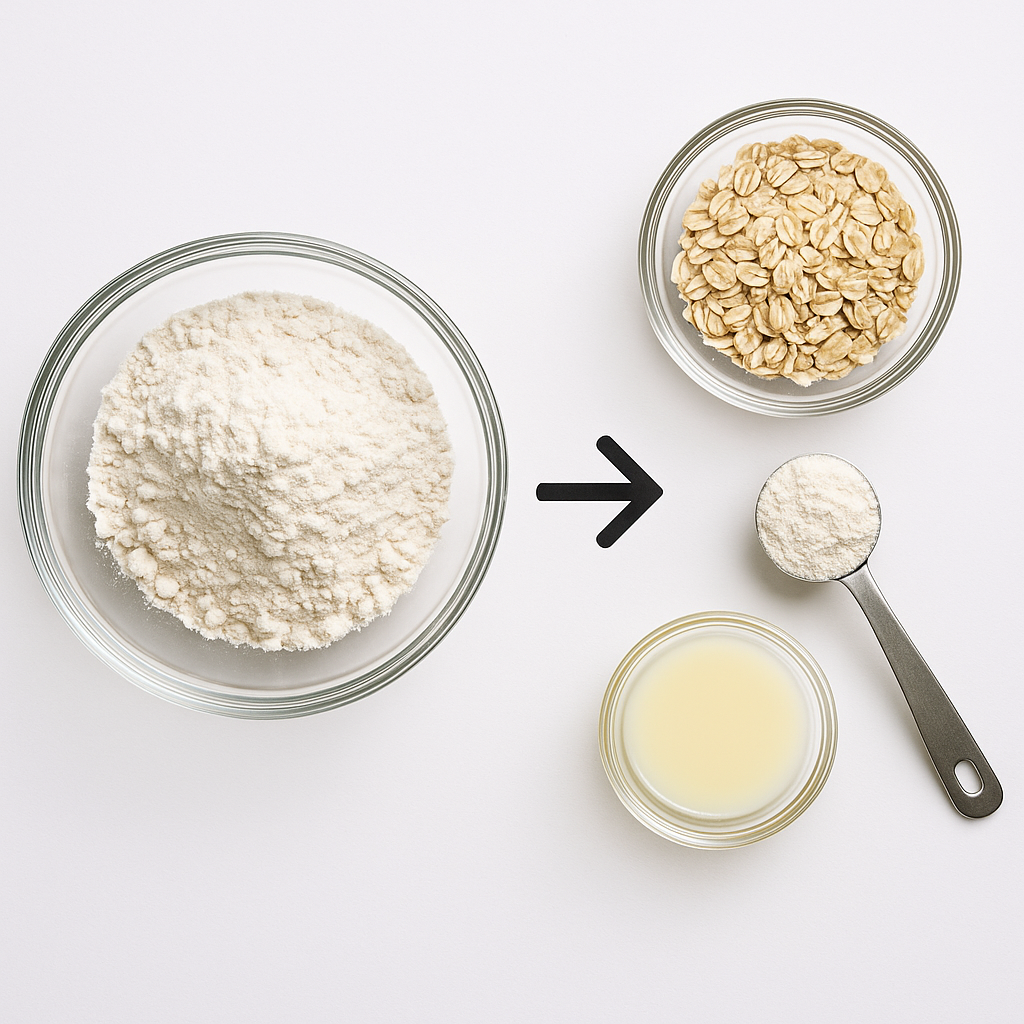
Swapping corn syrup with all coconut sugar often leads to dense, crumbly results. A half-and-half mix balances sweetness and texture while keeping Substitution Ratios manageable. It gives the depth of coconut sugar without losing the moisture that syrup normally provides. This simple tweak makes a noticeable difference – especially in chewy bars or glazes.
Don’t skip out on adding a splash of water
Baking without enough moisture leads to disaster, especially once the ratio shifts toward more coconut sugar. Coconut sugar lacks the liquid content of corn syrup, so skipping water leaves the batter too dry. Even a tablespoon can save the recipe.
Cracked cookies before baking usually mean the dough was too stiff. Replacing corn syrup with coconut sugar removes both moisture and binding agents. A splash of water helps restore that balance, ensuring the mixture holds together and bakes evenly. Getting this right isn’t just about sweetness – it’s about structure too. Without that bit of hydration, the final product might look like it belongs in a desert… literally. Even natural sugars need a little help playing nice in modern recipes, especially when going from liquid to dry.
What It Comes Down To
Getting Substitution Ratios right when replacing corn syrup with coconut sugar isn’t about perfection on the first try – it’s about understanding how moisture, texture, and browning shift when you move from liquid to dry sweeteners. Coconut sugar won’t behave exactly like corn syrup in the oven, but with the right adjustments – a little extra liquid here, a lower temperature there – the results can be both healthier and more flavorful. Expect some trial and error, but once the ratios click, baking becomes less guesswork and more confident creation. The key takeaway: Substitution Ratios are a starting point, not a finish line, and small tweaks based on what each recipe demands will get you closer to the texture and taste you’re after.