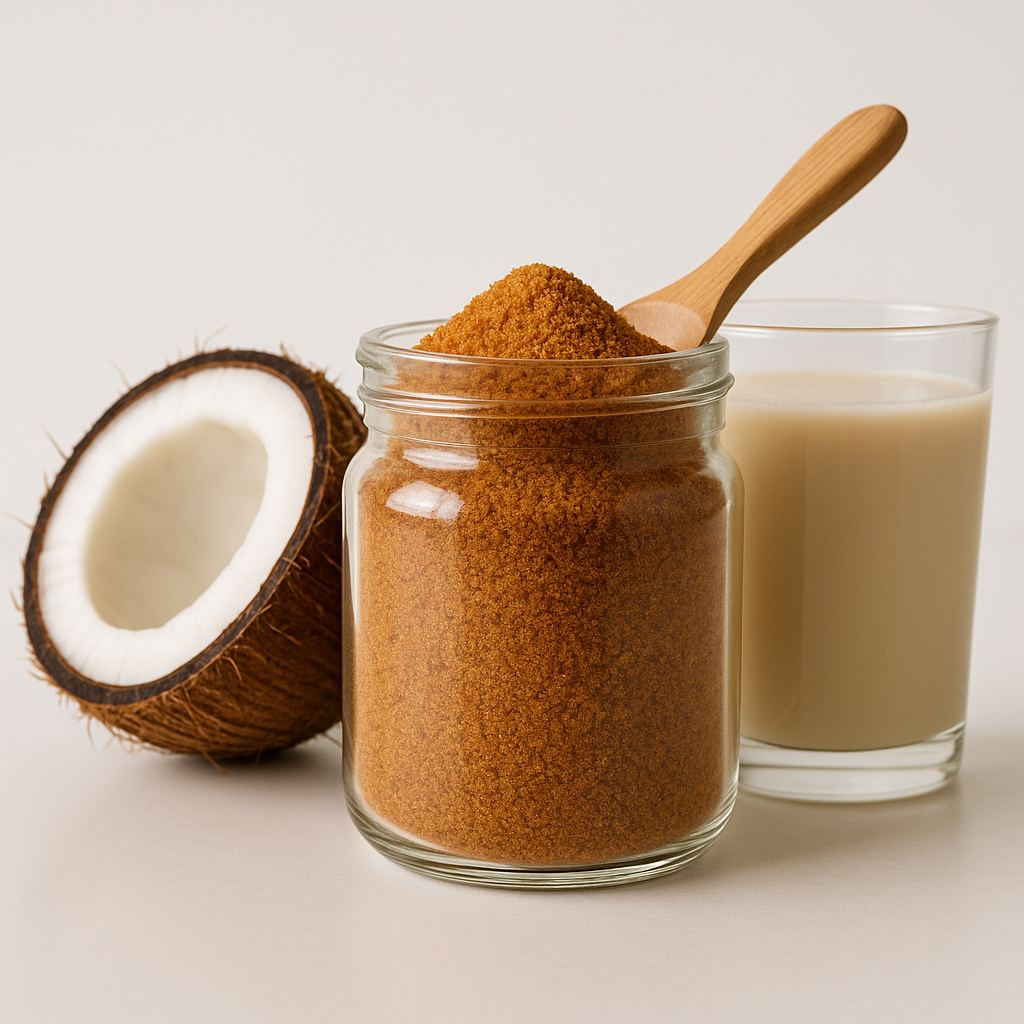
Dairy alternatives have changed how plant-based milks, yogurts, and creamers get sweetened. Coconut Sugar in Plant-Based Dairy brings its own set of chemical reactions worth understanding. Add it to a formulation and it doesn’t just sweeten – it actively interacts with proteins, changing both color and taste in ways that can make or break a product.
What makes coconut sugar different
More than simple sweetness
Coconut Sugar in Plant-Based Dairy brings complexity that regular cane sugar can’t match. There’s a layered flavor profile – caramel notes, a hint of butterscotch, even some subtle toasted undertones. The mineral content affects how it binds with proteins in an almond or oat milk base, which changes texture and mouthfeel in measurable ways.
Why formulators choose it
Plant-based dairy brands favor coconut sugar because it solves two problems at once – consumers want “natural” sweeteners and they want better-tasting products. Its lower glycemic index appeals to health-conscious shoppers, and it skips the artificial aftertaste that comes with some alternative sweeteners.
The appeal goes deeper than marketing. Dissolve coconut sugar into plant proteins and something interesting happens with the Maillard reaction during processing. The natural molasses content interacts with amino acids in pea or soy protein differently than white sugar does, creating rich brown tones and deeper flavors that make plant-based products taste more indulgent. And that’s what people actually want when they’re switching from dairy milk to alternatives.
The sucrose composition also affects how proteins unfold and bind. Some brands get creamier textures without adding extra fat or stabilizers. But here’s where it gets tricky – too much can overpower delicate plant flavors, and the color darkening might not work for every product type. Balancing sweetness against acceptable browning levels matters, because Coconut Sugar in Plant-Based Dairy doesn’t stay neutral-looking the way refined sugar does.
Why plant milk turns brown
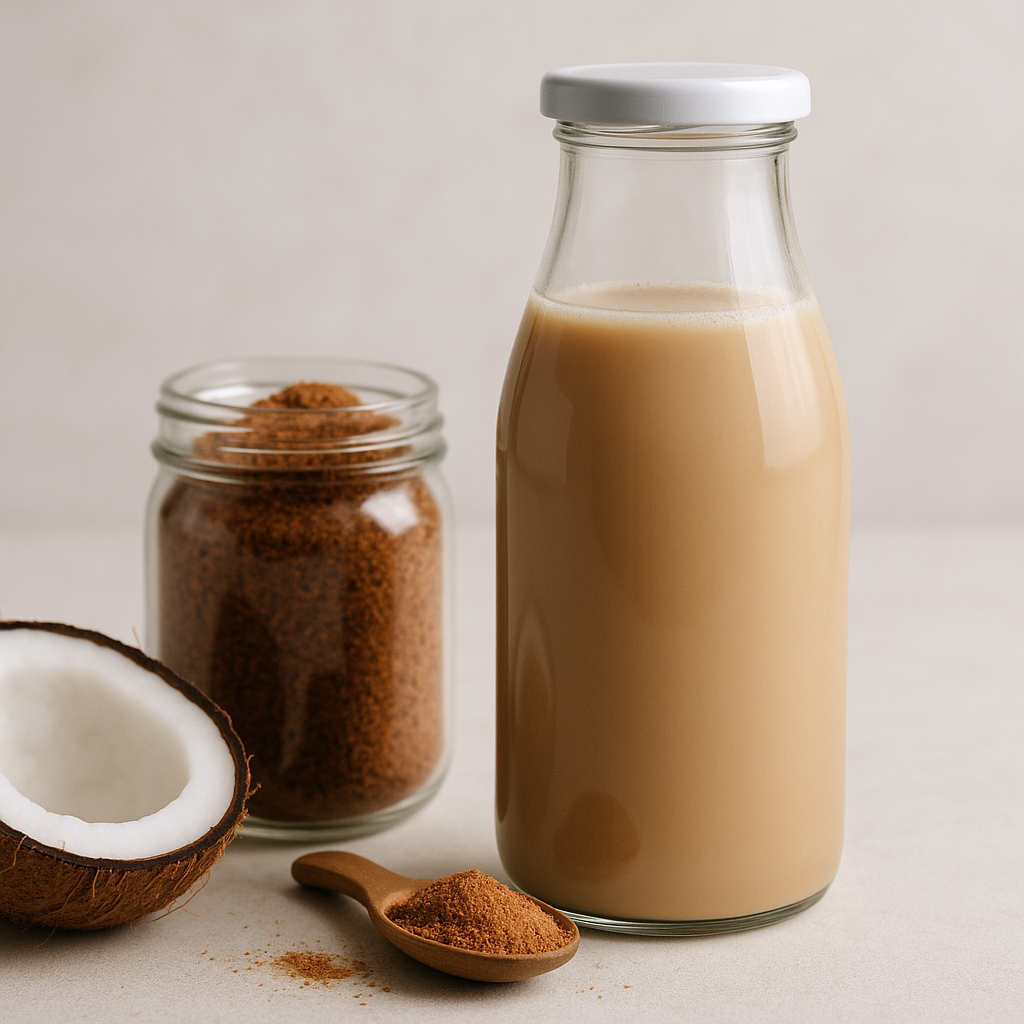
That brownish tint in homemade oat or almond milk is completely normal when coconut sugar is in the mix. The color shift happens faster than expected, sometimes within just a few hours of mixing.
The deep caramel color explained
Coconut Sugar in Plant-Based Dairy brings more than sweetness to a beverage – it’s packed with molasses compounds that immediately start changing how the drink looks. Proteins in plant milks grab onto these dark pigments, creating that signature tan-to-brown appearance.
How proteins and sugar interact
The Maillard reaction kicks in when coconut sugar meets protein molecules, even at room temperature. No heat is needed for this process to begin – just time and the right pH conditions that most plant milks naturally have.
Amino acids from plant proteins – whether from almonds, oats, or soy – form bonds with the reducing sugars. This isn’t some weird chemical disaster happening in the fridge. It’s actually the same process that makes bread crust golden and coffee beans develop their rich color during roasting. The reaction happens much slower at cold temperatures, which is why milk can get noticeably darker over a few days. The proteins wrap around sugar molecules, and as they do, they create hundreds of different flavor and color compounds called melanoidins. These brown pigments are what give plant milk that earthy, almost caramel-like hue.
Temperature plays a huge role in how quickly this happens. Storing the mixture at 40°F or below slows the browning significantly – though it can’t be stopped completely. And heating plant milk for a latte? That’s when things really speed up, because heat accelerates the protein-sugar interaction by about 10 times. The pH and mineral content of coconut sugar also influence how aggressively these reactions proceed.
Does it taste like coconut
Contrary to what you might expect, coconut sugar doesn’t carry that tropical coconut flavor people often picture. [source] Coconut Sugar in Plant-Based Dairy beverages won’t suddenly taste like a piña colada with this sweetener added. The flavor profile leans more toward caramel and butterscotch with subtle earthy undertones that complement rather than compete with the base ingredients.
Deep, toasty flavor notes
Coconut sugar brings something special – those rich, almost molasses-like notes that develop during processing create depth that regular cane sugar can’t match. It plays beautifully with almond and oat bases, adding complexity without overwhelming the nutty characteristics customers already love.
What happens when sweetness hits protein
When Coconut Sugar in Plant-Based Dairy meets protein structures, some fascinating chemistry follows. The reducing sugars interact with amino acids, creating new flavor compounds that can shift the final product’s taste profile in unexpected ways.
The Maillard reaction kicks in during heat-processing – those same proteins that give plant milk its creamy body start bonding with the sugar molecules. Slight color changes can follow, ranging from pale beige to light tan, depending on processing temperatures and hold times. The pH of the mixture matters too. Lower pH levels can accelerate these reactions, which is why formulations need close monitoring. Some protein sources like pea and soy are more reactive than others, so results vary based on what’s being used. The sweetness itself can mask certain protein off-flavors, but it can also amplify umami notes if ratios aren’t dialed in carefully. Testing different concentrations against a specific protein blend is the only way to nail down that perfect balance.
Which plant milk works best
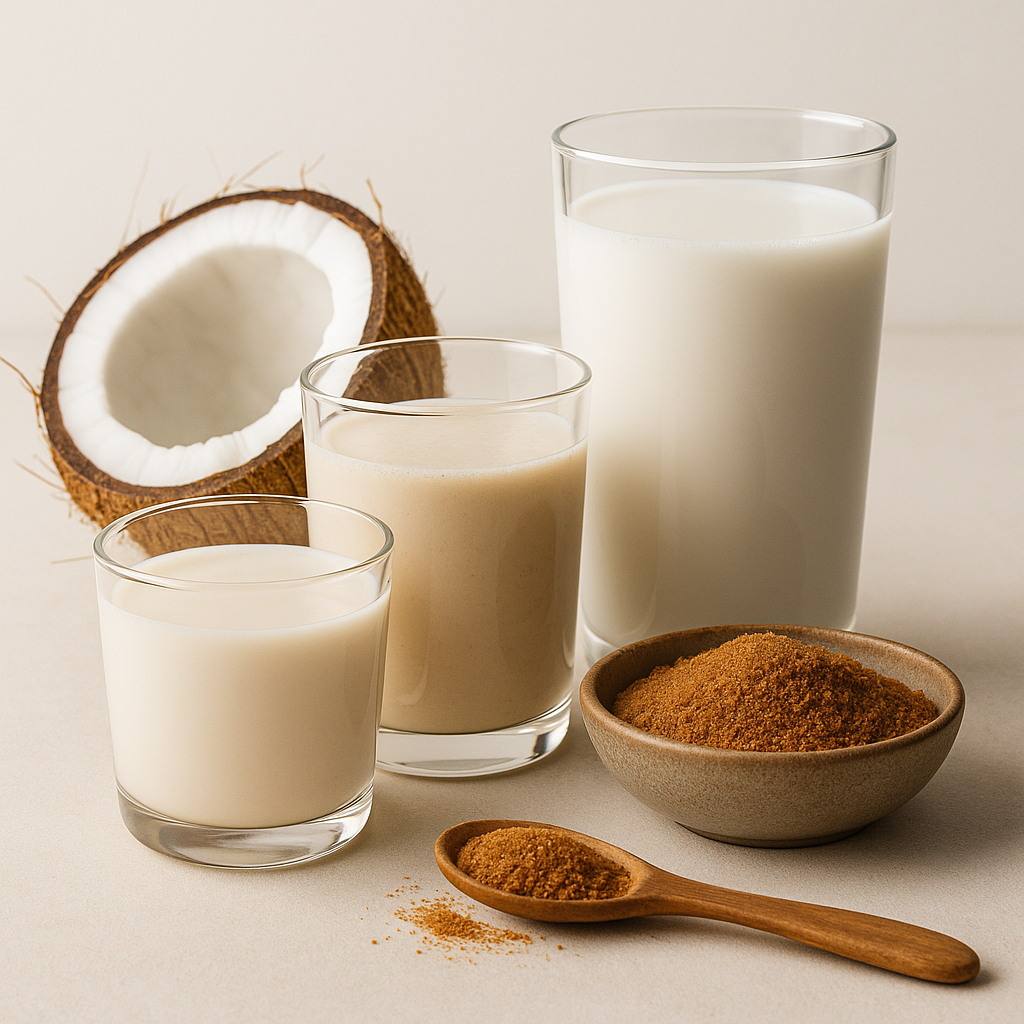
Oat milk stands out as the easiest match for coconut sugar. Its natural sweetness complements oat’s mild flavor profile without triggering weird color shifts or protein clumping. Soy milk works decently too, though slight darkening can appear at higher temperatures.
Why soy and oat react differently
Protein structure makes all the difference here – soy’s globular proteins bind with coconut sugar’s minerals, creating that brownish tint that’s easy to spot. Oat proteins stay more neutral because they’re simpler chains that don’t grab onto those reactive compounds as aggressively.
The struggle with nut-based proteins
Almond and cashew milks fight against Coconut Sugar in Plant-Based Dairy like cats and dogs. Their proteins clump up fast, creating grainy textures and muddy colors that make the final product look unappetizing. Getting a nut-based formulation right requires serious patience and stabilizer experimentation.
Nut milks bring a complex mess of fatty acids and delicate proteins to the table. The high lipid content in almond and cashew bases interferes with how coconut sugar dissolves, and those natural oils can oxidize faster when exposed to the trace minerals in the sugar. What happens next isn’t pretty – separation, off-flavors, and sometimes even a slightly rancid smell if the product sits too long. [source] The best bet with nut milks is a touch of sunflower lecithin and short storage times. Some manufacturers pre-treat their nut proteins with enzymes to break down the problematic binding sites, but that adds cost and processing steps most small producers can’t justify.
Common formulation challenges
Working with Coconut Sugar in Plant-Based Dairy brings challenges that test patience. It can’t just be dumped in with an expectation of perfection – the proteins have their own ideas about how things should go. Clumping happens, flavors shift, and textures get weird faster than expected.
Dealing with clumps and weird textures
Coconut sugar loves to form stubborn clumps when it meets cold plant proteins, creating gritty pockets that ruin a smooth dairy alternative. Pre-dissolving helps but won’t solve everything. Temperature control during mixing makes the biggest difference – aim for around 140°F to keep things flowing properly. Granulation and particle size also affect how quickly and completely the sugar dissolves.
Keeping the flavor from going off
A carefully balanced formula can turn into a caramel-forward mess without care. The Maillard reaction kicks in fast, especially with pea and soy proteins. Watching pH levels and processing temperatures closely matters here.
Balancing the inherent molasses notes of coconut sugar against protein funkiness requires real finesse. Pea protein amplifies those darker caramel flavors way more than almond or oat proteins do, so different ratios are needed depending on the base. Some formulators cut their recipes with neutral sweeteners to tone things down – maybe 60/40 coconut sugar to erythritol works better than going all-in. Storage matters too, because those proteins keep interacting with the sugar over time, developing stronger off-flavors after just two weeks on the shelf. A formulation that tastes great fresh might taste different a month later, so testing at different aging points before scaling up production is worth the time.
Practical formulation tips
None of this requires fancy equipment or a chemistry degree. Understanding how temperature and protein ratios affect the final product covers most of it. Coconut Sugar in Plant-Based Dairy responds differently than regular dairy, so technique matters more than it might seem.
Don’t overdo the heat
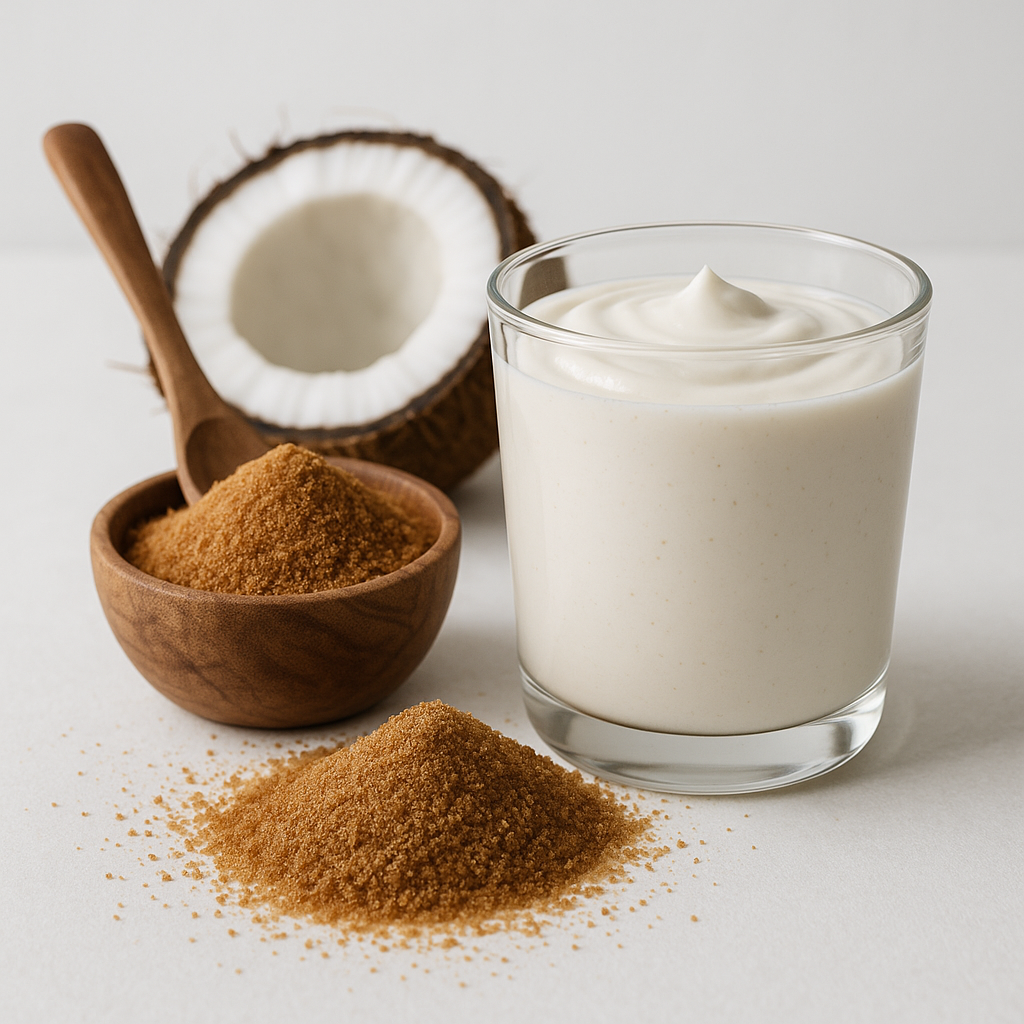
High temperatures will wreck a carefully balanced formula faster than anything else. Keeping heat below 160°F when incorporating coconut sugar into protein-based formulations matters – anything higher causes proteins to denature and creates that weird grainy texture nobody wants.
Finding the sweet spot for your protein blend
Protein concentration directly impacts how coconut sugar behaves in the final product. Starting with a 2:1 ratio of protein to coconut sugar and adjusting from there based on desired sweetness and color development is a reasonable baseline.
Different plant proteins interact with Coconut Sugar in Plant-Based Dairy in unique ways. Pea protein tends to amplify the caramel notes while soy protein mellows them out – this shows up especially in yogurt or cream cheese alternatives. The pH of the base mixture also plays a huge role here. Lower pH (more acidic) environments lead to deeper amber tones developing. But here’s what most people get wrong: they assume more protein always means better texture. That’s not true with coconut sugar, because excess protein can actually bind too much of the sugar’s moisture, leaving a chalky mouthfeel. Testing small batches first and keeping notes on what works pays off. The ideal ratio might land anywhere from 1.5:1 to 3:1 depending on whether the goal is a beverage, yogurt, or frozen dessert.
Key takeaways
Coconut Sugar in Plant-Based Dairy creates fascinating interactions that can’t be ignored. Working with it means dealing with complex Maillard reactions that change both appearance and taste profiles – the same browning chemistry that develops during sugar processing itself. Protein structures in plant-based formulations react differently depending on whether soy, almond, or oat bases are used. Temperature control, pH monitoring, and careful ratio balancing determine whether the final product delights consumers or sits on the shelf. Understanding how coconut sugar behaves in these systems gives better control over quality, shelf stability, and consumer appeal.