Chemical Composition of Coconut Sap
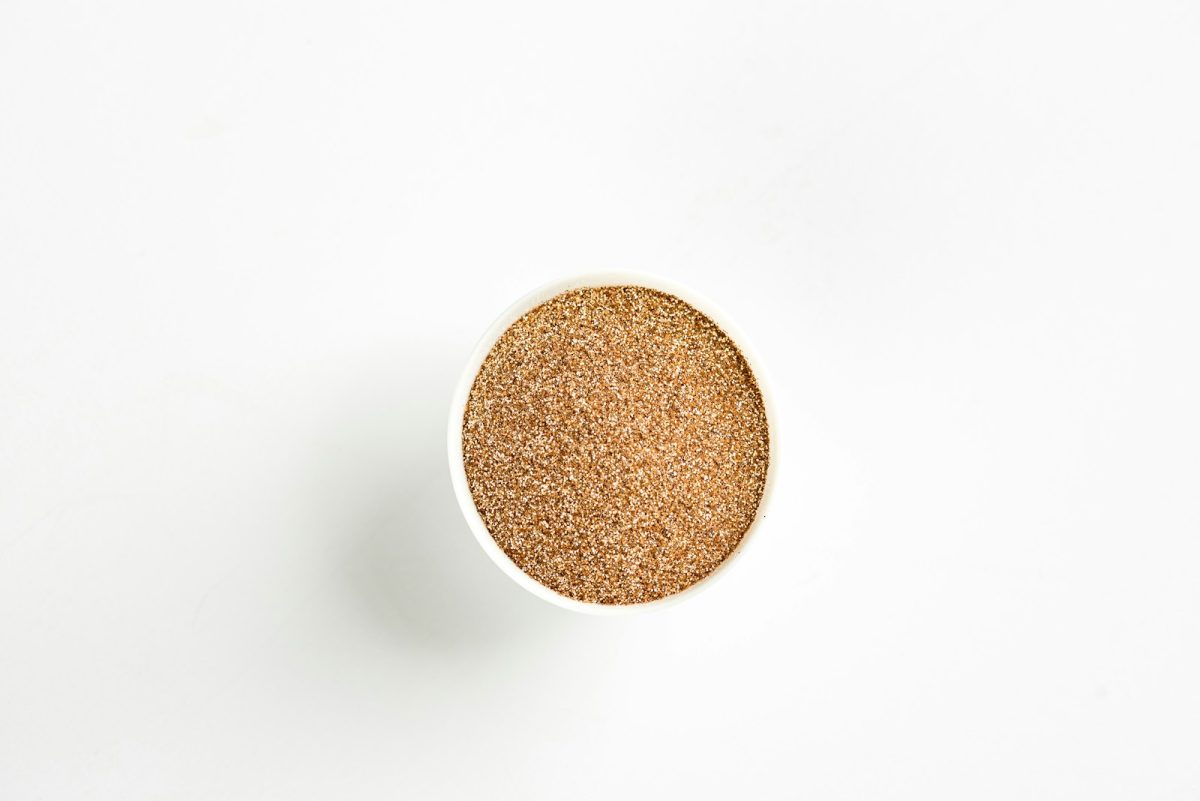
Sap from tapped palms contains sugars, minerals, and amino precursors that shape Caramelization vs Maillard in Coconut Sugar during processing; you can track how sugar concentration and nitrogenous content shift flavor development in Caramelization vs Maillard in Coconut Sugar and predict browning pathways in Caramelization vs Maillard in Coconut Sugar.
Understanding the chemical composition of coconut sugar is essential for B2B buyers seeking consistent quality. According to a comprehensive chemical analysis published in PubMed, coconut sugar contains not only sucrose (70–79%) but also measurable quantities of glucose, fructose, and protein fractions that directly influence which browning pathway will dominate during thermal processing. This compositional variability means that even small differences in sap harvesting or evaporation parameters can shift the balance between caramelization and Maillard reactions in the final product.
For exporters targeting regulated markets, color grading and quality testing standards play a critical role in documenting process control. The International Commission for Uniform Methods of Sugar Analysis (ICUMSA) provides standardized methods for measuring color intensity, moisture, and ash content in sugar products, enabling producers to objectively assess whether browning arose from caramelization, Maillard reactions, or excessive pyrolysis. Implementing ICUMSA-compliant testing allows you to substantiate claims about processing conditions and meet the technical specifications demanded by European and North American importers.
Authenticity verification has become increasingly important as coconut sugar gains market share in premium food categories. A 2022 study in Food Control Journal on coconut sugar adulteration detection demonstrated that isotopic analysis and amino acid profiling can distinguish genuine coconut sugar from samples adulterated with cane sugar or synthetic colorants, both of which alter the expected caramelization-to-Maillard signature. For B2B suppliers, third-party authentication testing not only protects brand reputation but also provides traceability documentation that sophisticated buyers now require in supplier audits.
Sucrose, Glucose, and Fructose Ratios
Sugars in sap favor sucrose but you will find varying glucose and fructose that determine whether Caramelization vs Maillard in Coconut Sugar leans toward caramel notes or reducing-sugar reactions; measuring ratios helps you predict sweetness, viscosity, and which browning pathway will dominate.
Presence of Amino Acids and Nitrogenous Compounds
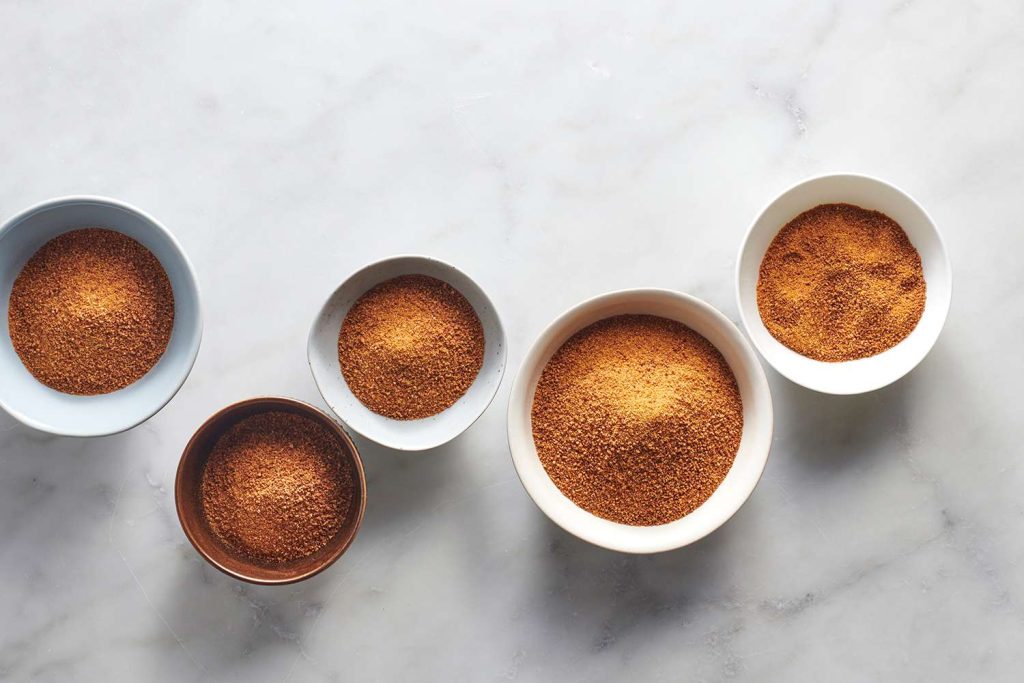
Amino acids and small nitrogenous compounds in sap provide the reactive partners that push Caramelization vs Maillard in Coconut Sugar toward Maillard-driven complexity, so you should assess free amino nitrogen to estimate flavor precursors and likely browning intensity.
You can quantify free amino nitrogen and profile specific amino acids-lysine and glycine drive Maillard flavor-using HPLC or ninhydrin assays; higher amino content favors Maillard over Caramelization vs Maillard in Coconut Sugar when heating is moderate and pH allows nucleophilic attack, altering color and aroma outcomes.
Identifying the Dominant Pathway Through Sensory Analysis
Smell for clear signs: if you detect pure toffee and burnt-sugar notes with minimal savory depth, you can infer Caramelization vs Maillard in Coconut Sugar leaned toward caramelization; caramelized sugars give straightforward sweet, buttery aromas while Maillard yields meatier, complex aromatics.
Distinguishing Toasty vs. Nutty Flavor Profiles
Palate evaluation helps you separate toasted sugar from nutty Maillard notes; Caramelization vs Maillard in Coconut Sugar that favors toasting tastes sweet, clean and warm, while Maillard-driven nutty tones feel roasted, savory and layered, often with cocoa or roasted-nut echoes.
Acidity and Bitterness as Indicators of Sugar Pyrolysis
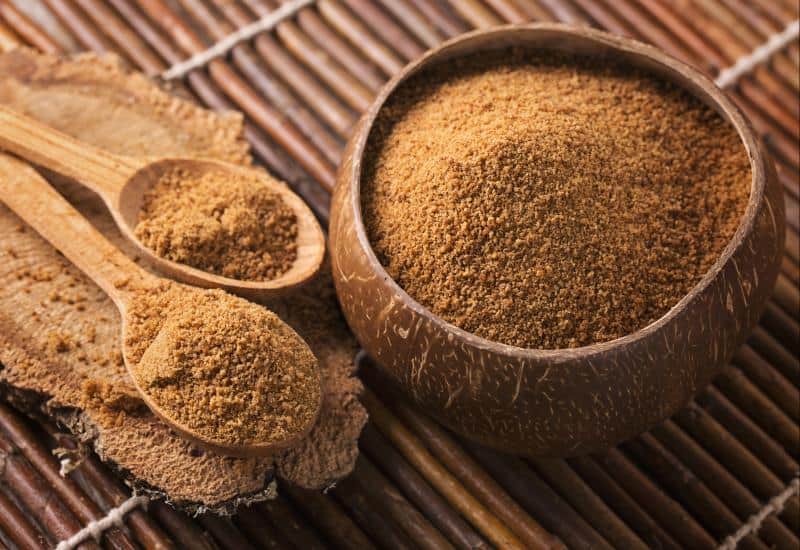
Acidity signals such as sharp citrus lift or lingering bitterness point you toward pyrolysis; Caramelization vs Maillard in Coconut Sugar dominated by pyrolysis often shows higher acid, burnt notes and astringency, whereas Maillard-led samples retain more balanced, savory-sweet acidity.
Taste the balance: you can quantify acidity by noting immediate sourness and the progression into bitter, charred aftertastes; Caramelization vs Maillard in Coconut Sugar with significant pyrolysis shows sharper pH-like sourness and metallic bitterness, while Maillard dominance keeps acidity milder and adds savory umami complexity. Use small sips, palate cleansers between samples, and note intensity across dilutions to judge whether Caramelization vs Maillard in Coconut Sugar trended toward sugar pyrolysis or amino-sugar reactions.
Analytical Markers of Reaction Dominance
Measure color, volatiles and nitrogen markers to decide which reaction dominated in Caramelization vs Maillard in Coconut Sugar and guide your analysis; you can check Baking Deep Dive: Caramelization & Maillard – by Michael for deeper context.
Spectrophotometric Measurement of Color Intensity

Use spectrophotometry to quantify browning: higher absorbance at 420 nm indicates caramelization dominance in Caramelization vs Maillard in Coconut Sugar, while complex pigment profiles suggest Maillard; you should record spectra and compare kinetics.
Detection of Nitrogen-Containing Volatiles
Detect nitrogen volatiles (e.g., pyrazines) via GC-MS as markers of Maillard reaction; absence points toward Caramelization vs Maillard in Coconut Sugar dominance by sugar pyrolysis; you should quantify nitrogenous peaks and report ratios.
Analyze headspace GC-MS with SPME sampling to capture pyrazines, pyrroles and Strecker aldehydes; you can use selective ion monitoring to raise sensitivity. In Caramelization vs Maillard in Coconut Sugar, abundant nitrogen-containing volatiles shift the balance to Maillard, while their low abundance favors Caramelization vs Maillard in Coconut Sugar; you should report compound IDs, retention times and relative abundances to support your conclusion.
Influence of Processing Parameters
Processing choices-temperature, moisture, and time-determine whether you get more caramelization or Maillard products; monitor heat and water to interpret Caramelization vs Maillard in Coconut Sugar outcomes and guide your sampling strategy.
Critical Temperature Thresholds and Heating Duration
High temperatures above 160°C favor caramelization, while 120-160°C with available amino acids promotes Maillard; you should adjust heating duration and ramp rates to reveal which pathway dominates in Caramelization vs Maillard in Coconut Sugar.
Processing Parameters: Caramelization vs Maillard in Coconut Sugar
| Parameter | Typical effect |
|---|---|
| Temperature | Higher heat → caramelization; moderate heat + amino acids → Maillard |
| Moisture / Aw | Low Aw favors caramelization; intermediate moisture supports Maillard |
| Time | Longer exposure amplifies both pathways; kinetics differ by pathway |
| pH | Alkaline shifts accelerate Maillard, acidic conditions slow it |
The Role of pH Levels in Accelerating Maillard Kinetics
pH shifts dramatically affect Maillard speed; raising pH accelerates browning so you can distinguish Caramelization vs Maillard in Coconut Sugar by testing reactions at different acidity levels and comparing sensory and chemical markers.
Altering pH changes sugar reactivity and amino group nucleophilicity, so you can provoke or suppress Maillard pathways: raise pH slightly to speed formation of brown nitrogenous melanoidins, lower pH to retard them and let caramelization signatures (furanones, sweet volatiles) prevail; use color, fluorescence, and HPLC markers to confirm which pathway dominated in Caramelization vs Maillard in Coconut Sugar, especially when comparing controlled pH trials of Caramelization vs Maillard in Coconut Sugar.
Final Words
So you can distinguish Caramelization vs Maillard in Coconut Sugar by color, aroma and temperature; Caramelization vs Maillard in Coconut Sugar favors pure sugar notes, while Caramelization vs Maillard in Coconut Sugar with proteins gives savory depth; Caramelization vs Maillard in Coconut Sugar observations let you decide. Caramelization vs Maillard in Coconut Sugar signals differ.