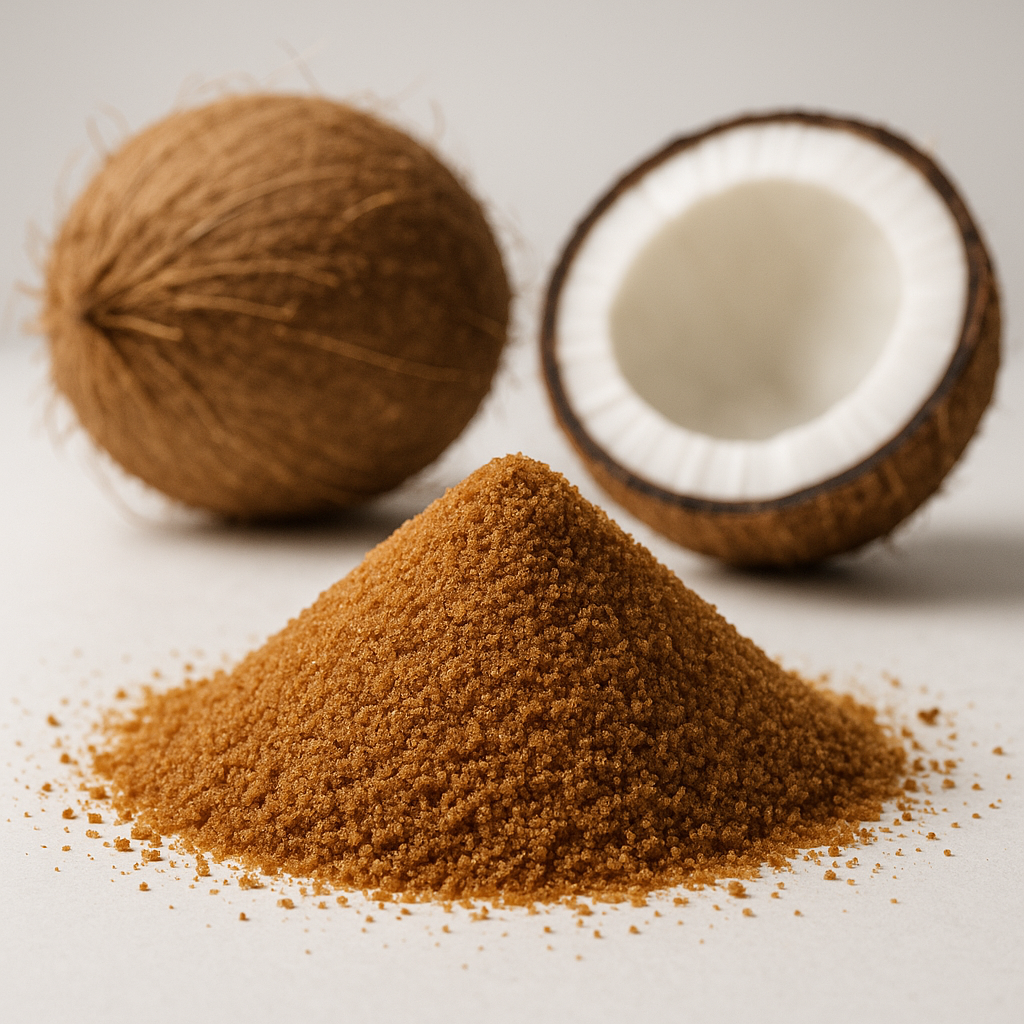
For B2B buyers of coconut ingredients, food safety can be just as important as fat content, particle size, color, or moisture. One of the quality concerns that may arise in agricultural commodities is aflatoxin in coconut, particularly when raw materials experience unfavorable conditions during harvesting, drying, transportation, or storage.
Aflatoxins are mycotoxins produced by certain Aspergillus molds. Environmental conditions such as temperature and humidity can influence fungal growth and the potential formation of aflatoxins in food commodities.
For manufacturers purchasing desiccated coconut or other coconut ingredients, the practical objective is not simply to ask whether aflatoxin exists. Instead, buyers should understand how contamination can develop, how laboratories test for it, and how suppliers can control risk throughout the supply chain.
What Is Aflatoxin in Coconut?
Aflatoxins are naturally occurring toxic compounds produced by certain species of Aspergillus, particularly under favorable environmental conditions.
The main aflatoxins associated with food are:
- Aflatoxin B1
- Aflatoxin B2
- Aflatoxin G1
- Aflatoxin G2
Aflatoxin B1 receives particular attention because of its toxicological significance. The FDA identifies aflatoxins as mycotoxins that can occur in food and notes that long-term dietary exposure can increase health risks, including liver cancer.
However, contamination should not be assumed simply because a product comes from a tropical country or contains coconut. Risk depends on agricultural, environmental, processing, and storage conditions.
For B2B procurement, therefore, the appropriate approach is risk-based testing and preventive control.
How Can Aflatoxin Contamination Develop?
Aflatoxin risk generally relates to the interaction between the raw material and environmental conditions.
Moisture and Humidity
Moisture management is one of the most important considerations.
Fresh coconut contains substantial moisture. If coconut materials remain wet for too long or drying does not adequately reduce moisture, conditions may become more favorable for microbial growth.
After processing, storage conditions also matter. A dry ingredient can absorb moisture if packaging becomes damaged or storage areas have excessive humidity.
Therefore, manufacturers and suppliers should control:
- Drying conditions
- Product moisture
- Warehouse humidity
- Packaging integrity
- Storage duration
- Transportation conditions
Temperature and Storage
Temperature can influence fungal development, particularly when combined with elevated humidity.
The FDA notes that environmental factors including temperature, humidity, and rainfall can influence mold growth in food commodities.
For this reason, quality control should continue after production. A compliant batch can still face quality deterioration if a supplier or buyer stores it under unsuitable conditions.
Why Aflatoxin Control Matters for Desiccated Coconut
Desiccated coconut is a dried food ingredient used by manufacturers in products such as bakery items, confectionery, snack products, cereal products, and desserts.
Because buyers often purchase it in bulk, food safety controls need to address the entire lot rather than relying solely on visual inspection.
Aflatoxin contamination is not necessarily visible. A product can appear normal while still requiring analytical verification.
This makes documented testing particularly important for B2B buyers who need to demonstrate food-safety controls to their own customers or regulatory authorities.
For companies sourcing from Indonesia, OilCocos’ desiccated coconut information provides details about its Indonesian-origin product, grades, specifications, and food manufacturing applications.
Aflatoxin Testing: What B2B Buyers Should Know
Testing provides analytical evidence about the aflatoxin status of a specific sample or lot.
However, sampling itself represents a major part of the process.
Aflatoxins can have an uneven distribution within a commodity. Therefore, taking a single convenient sample from one location may not accurately represent an entire shipment.
Representative Sampling
A proper sampling plan should consider the size and characteristics of the lot.
Codex materials describe aflatoxin testing as a process involving sample selection, sample preparation, and aflatoxin quantification. They also distinguish between incremental samples, aggregate samples, laboratory samples, and test portions.
This distinction matters because a laboratory result is only as representative as the sample submitted for analysis.
For B2B procurement, buyers should therefore ask:
- How was the sample collected?
- Which lot did it represent?
- How many sampling points were used?
- Was the sample properly combined?
- Which laboratory performed the analysis?
- Which analytical method was used?
- What was the detection or quantification capability?
Laboratory Methods for Aflatoxin Analysis
Laboratories can use validated analytical techniques to identify and quantify aflatoxins.
Depending on the commodity and regulatory program, analytical approaches may include immunoaffinity cleanup combined with chromatography or liquid chromatography coupled with mass spectrometry.
The FDA maintains analytical methods for mycotoxins, including AFB1, AFB2, AFG1, and AFG2. Its current food laboratory compendium includes LC-MS/MS methods for simultaneous mycotoxin determination in specified food matrices.
For commercial purchasing, buyers should not select a test method based only on convenience. The method should be appropriate for the commodity and capable of meeting the specification or regulatory requirement being applied.
COA and Laboratory Results
A Certificate of Analysis (COA) can provide useful batch-specific evidence.
When reviewing an aflatoxin result, check:
- Sample identification
- Lot or batch number
- Test date
- Analytical method
- Individual aflatoxin results
- Total aflatoxin result, where applicable
- Units of measurement
- Laboratory identification
- Applicable specification or limit
The COA should correspond to the actual shipment or production lot being purchased.
Understanding Aflatoxin Limits
One common mistake among international B2B buyers is assuming that one aflatoxin limit applies to every country and every coconut product.
In reality, regulatory requirements can vary according to the destination market, food category, product form, and intended use.
For example, the FDA publishes an action level of 20 ppb for aflatoxin in foods under its general food guidance, while specific commodities can have separate provisions.
Similarly, Codex standards establish maximum levels and sampling plans for particular commodities and food categories rather than providing one universal limit for every food.
Therefore, B2B buyers should identify the applicable destination-market requirement before establishing a purchase specification.
Quality Control Before Processing
Preventing contamination is generally more effective than discovering a problem after a shipment has been produced.
Raw Material Control
Suppliers should establish controls over incoming coconut materials.
Important considerations include:
- Raw material condition
- Supplier qualification
- Harvest and sourcing practices
- Moisture control
- Foreign material control
- Storage conditions
A risk-based food safety system should identify points where contamination could occur and establish appropriate preventive controls.
Drying and Processing
For desiccated coconut, drying plays an important role in reducing moisture and achieving the intended shelf stability.
The process should consistently achieve the required moisture specification without compromising product quality.
Manufacturers should monitor critical processing parameters and maintain records that allow them to trace production back to the relevant raw materials.
Storage and Packaging Controls
Quality control does not stop once the product leaves the dryer.
Desiccated coconut should remain protected from moisture during storage and transportation.
Suitable controls include:
- Dry warehouses
- Intact packaging
- Protection from direct moisture
- Appropriate palletization
- Clean storage areas
- Stock rotation
- Lot traceability
Packaging should provide an effective barrier against environmental exposure appropriate to the product and distribution conditions.
For additional information on product grades, moisture, microbiological specifications, and export packaging, buyers can review the desiccated coconut grades and uses guide.
What B2B Buyers Should Request From a Supplier
A qualified supplier should be able to explain its food-safety and quality-control process clearly.
Before approving a coconut ingredient, buyers may request:
- Product specification sheet
- Recent Certificate of Analysis
- Aflatoxin test results where required
- Microbiological results
- Moisture specification
- Processing information
- HACCP documentation
- Relevant certifications
- Batch traceability
- Packaging specifications
- Storage recommendations
The exact documentation should reflect the buyer’s market and product requirements.
Ask About Testing Frequency
There is no universal rule that a single testing frequency fits every supplier or product.
Testing programs should reflect the supplier’s hazard analysis, raw material risk, historical results, customer requirements, and applicable regulations.
For higher-risk situations, buyers may require additional verification testing before shipment or upon arrival.
How Suppliers Can Reduce Aflatoxin Risk
A strong control program combines prevention, monitoring, and verification.
A practical framework includes:
- Qualify raw material sources.
- Control moisture during processing.
- Maintain hygienic processing conditions.
- Protect finished products from moisture.
- Use appropriate packaging.
- Maintain controlled warehouse conditions.
- Implement lot traceability.
- Conduct risk-based laboratory testing.
- Review COAs and analytical trends.
- Investigate deviations promptly.
The goal is to build food safety into the production system rather than relying entirely on final-product testing.
Aflatoxin Risk in International Coconut Supply Chains
International sourcing adds additional complexity because products may pass through several stages before reaching the final manufacturer.
A typical supply chain can involve:
Coconut sourcing → processing → packaging → warehouse → port → international transportation → importer warehouse → food manufacturing
Each stage creates potential opportunities for moisture exposure, packaging damage, or improper storage.
Consequently, B2B buyers should evaluate not only the production facility but also the supplier’s logistics and traceability controls.
A documented lot number can help connect the final shipment to its production records and analytical results.
Final Considerations for Aflatoxin in Coconut
Aflatoxin in coconut should be managed through preventive controls, representative sampling, appropriate laboratory analysis, and clear supplier documentation.
For desiccated coconut buyers, visual inspection alone cannot establish aflatoxin compliance. Instead, manufacturers should define the applicable regulatory requirement, establish a suitable specification, request relevant analytical documentation, and verify supplier controls.
The most reliable approach combines moisture management, hygienic processing, protected storage, traceability, and risk-based testing. This gives B2B buyers stronger evidence that the ingredient meets the requirements of their intended market.
If your business is sourcing desiccated coconut from Indonesia, reviewing the supplier’s specifications, testing procedures, and quality documentation before procurement can help reduce food-safety uncertainty and support a more controlled supply chain.
Frequently Asked Questions
1. What is aflatoxin in coconut?
Aflatoxin is a mycotoxin produced by certain Aspergillus molds. Its presence depends on environmental and storage conditions rather than simply the geographic origin of the coconut.
2. Can desiccated coconut contain aflatoxin?
Like other agricultural food ingredients, desiccated coconut requires appropriate food-safety controls. Risk can be managed through proper drying, moisture control, storage, sampling, and analytical testing.
3. How is aflatoxin in coconut tested?
Testing generally involves representative sampling, sample preparation, and laboratory quantification using a validated analytical method appropriate for the product and applicable requirement.
4. What should B2B buyers request from a coconut supplier?
Buyers should consider requesting a product specification, batch-specific COA, relevant aflatoxin test results, microbiological documentation, certifications, traceability information, and storage requirements.
5. Is there one universal aflatoxin limit for coconut products?
No. Applicable limits can vary by destination country, commodity, product category, and intended use. Buyers should verify the requirement applicable to their specific market.