- Why should we even care about heavy metals in our sweetener?
- Let’s talk about Arsenic and why it’s actually scary
- Lead is still a thing, and it’s honestly a problem
- Cadmium: The heavy metal nobody’s talking about enough
- How to spot the good stuff when you’re out shopping
- Is coconut sugar still worth the hype?
- Putting the Risk in Perspective
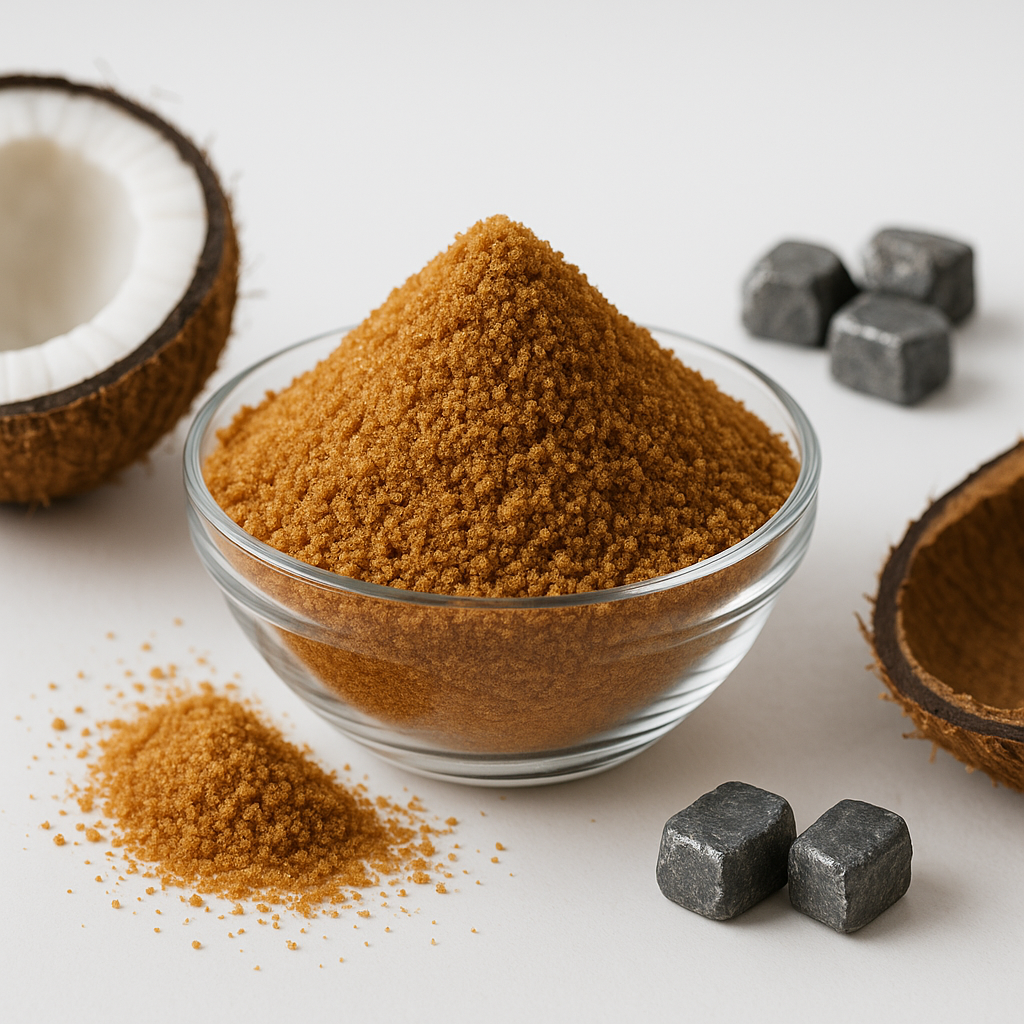
Most people switching to coconut sugar think they’re making a safer, cleaner choice. After all, it’s natural, shows up in every health food aisle, and carries a clean reputation. But understanding Heavy Metal Limits in Coconut Sugar matters more than the marketing suggests. Arsenic, lead, and cadmium are showing up in popular brands more often than most shoppers would guess.
It’s not just imagination. More lab tests are flagging coconut sugar samples with trace amounts of toxic metals. These contaminants come from the soil, especially in tropical regions where coconut palms absorb whatever’s present, good or bad. Limits on these metals aren’t always strictly enforced across all countries, so what ends up in a pantry might not meet the strictest safety benchmarks.
A daily sprinkle can add up over time. Chronic exposure to even low levels of arsenic, lead, or cadmium is no joke. That’s why understanding where Heavy Metal Limits in Coconut Sugar stand matters. It’s not about fear, it’s about informed choices.
Regulatory bodies like the FDA and EFSA have guidelines, but they’re not always applied uniformly to imported coconut sugar. Limits can vary widely between brands—some test rigorously, others don’t. Knowing which ones do is half the battle.
None of this is just a technical detail—it’s a health checkpoint. For daily users, transparency matters. Look for third-party tested brands, and don’t assume “organic” means metal-free. Because when it comes to what’s feeding a family, assumptions don’t cut it.
Why should we even care about heavy metals in our sweetener?
What if a “healthy” sweetener was quietly adding toxins to the morning coffee? Arsenic, lead, and cadmium don’t just vanish—they build up in the body over time. Even small daily amounts can lead to long-term health risks, especially for kids and pregnant people. Coconut sugar gets chosen to feel better about sweetness, not to trade one problem for a hidden one.
The real deal on how these metals sneak into the soil
Ever wonder why tropical soil isn’t always as pure as it looks? Natural erosion, old pesticides, and nearby industrial runoff leach arsenic, lead, and cadmium into the ground. Coconut palms soak up what’s available—no filter. That means the contamination story isn’t just about farming choices, but what was already there long before planting.
Why coconut sugar isn’t always as “clean” as it looks
It got grabbed off the shelf because it sounded natural, right? But “natural” doesn’t mean free from pollution. Some coconut sugar comes from regions with high background levels of heavy metals in the soil. Without strict testing, what ends up in the jar might not match the clean label. There’s a real gap between marketing and reality here.
Coconut sugar gets a free pass just for being trendy. But trees pull minerals from deep in the ground, and that includes unwanted metals when the soil’s compromised. Just because it’s organic or unrefined doesn’t mean it’s been checked for lead or cadmium. Brands that don’t test regularly leave buyers rolling the dice. That’s why Heavy Metal Limits in Coconut Sugar aren’t just regulatory jargon—they’re a personal safety net. And honestly, not every brand treats them like they matter. If a company won’t share lab results, ask: what aren’t they telling you? This shouldn’t be optional.
Let’s talk about Arsenic and why it’s actually scary
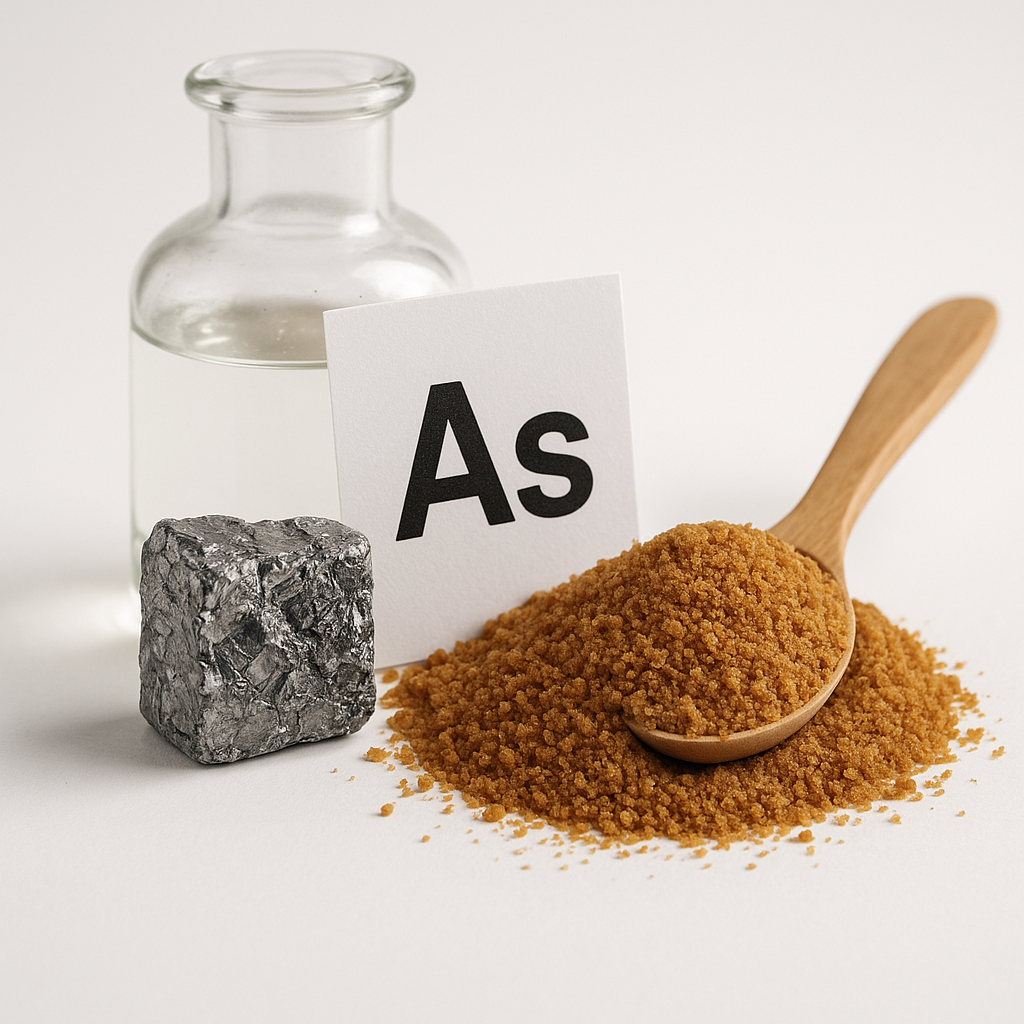
Arsenic gets linked to old-time poisons or contaminated water, but here’s the unsettling part—it shows up in everyday foods too. Even low-level, long-term exposure can quietly damage the nervous system and increase cancer risk.
What’s the deal with legal safety limits anyway?
It’s easy to assume that if a product is on the shelf, it’s guaranteed safe—but that’s not always how regulations work. Safety thresholds are based on averages and risk assessments, not absolute guarantees. Some countries set looser standards, and enforcement varies, meaning what’s “legal” isn’t always what’s healthiest over time.
How much is too much for your morning coffee?
Picture stirring coconut sugar into a daily brew without thinking twice. But if that sweetener contains trace arsenic, lead, or cadmium, the habit could add up. The limits are meant to prevent this, yet frequent use—even in small amounts—might still push weekly intake into a gray zone regulators warn about. [source]
A morning coffee might seem harmless, but use coconut sugar every single day and those tiny amounts of heavy metals start to accumulate. The body doesn’t just flush them out like excess caffeine. Over months or years, repeated exposure—even below legal limits—can contribute to long-term health issues. That’s why this isn’t just a food-scientist concern; it’s something daily users should care about. Most people don’t realize they’re consuming these elements at all. The real question isn’t just whether a sugar meets current standards—it’s whether those standards are protective enough for someone drinking two or three sweetened beverages a day. Heavy Metal Limits in Coconut Sugar need to reflect real-world habits, not just lab models.
Lead is still a thing, and it’s honestly a problem
You’d think we’d be past lead exposure by now—after all, it got banned from paint and gas decades ago. But here it is, showing up in coconut sugar, of all places. The truth is, lead doesn’t break down, so once it’s in soil, it sticks around… and plants like coconut palms can absorb it. Current limits aren’t always strict enough to catch every contaminated batch, and that’s where the risk starts.
Where all that Lead is coming from in the first place
Most lead in coconut sugar isn’t added—it’s pulled from the ground. Older industrial pollution, contaminated soil near roads or factories, even old pesticide residues contribute. Coconut palms have deep roots, and they don’t care what’s in the dirt—they’ll soak it up. [source] How strict Heavy Metal Limits in Coconut Sugar feel depends on where the coconuts grow, and not every region tests or regulates the same way.
My take on the safety standards we have right now
Current safety rules feel more like suggestions than real protection. Some brands test rigorously, but others skate by with minimal checks. Labels get trusted, but labeling isn’t always transparent. Allowable levels vary wildly between countries, and that inconsistency puts consumer health in the crosshairs without anyone even knowing.
Let’s be real—regulatory limits exist, but they’re not keeping pace with what we know about long-term exposure. Just because a product passes a legal threshold doesn’t mean it’s safe over years of daily use. These thresholds should reflect cumulative intake, not just one-off levels. Right now, they don’t. And until they do, the consumer is the one left holding the risk—especially with daily use in baking or smoothies. The standards need to be stricter, standardized, and actually enforced worldwide.
Cadmium: The heavy metal nobody’s talking about enough
Lead and arsenic get most of the attention, but what about cadmium? This quiet contaminant shows up in coconut sugar more often than people would think, sneaking in through soil where coconut palms grow. Current thresholds aren’t always strict enough to catch it, and that’s a problem. Small amounts can be consumed daily without anyone even knowing.
Why this stuff sticks around in your body for so long
How does cadmium stay in the system for decades? It binds to proteins in the kidneys and accumulates over time—the body doesn’t have an easy way to flush it out. Even tiny daily exposures add up, especially with regular use of coconut sugar in coffee or baking. Any meaningful limit needs to account for this buildup, not just one-off doses.
What the experts say about “safe” levels in our food
Is there really a “safe” amount of cadmium in food? Scientists debate this constantly—some say no level is truly safe due to long-term accumulation. Regulatory bodies set limits, but those vary globally, and many argue they’re too lenient. Standards should reflect ongoing research, not outdated assumptions.
Let’s be real—”safe” often means “as safe as we’re willing to accept right now.” Researchers at the EFSA recently revised cadmium’s tolerable weekly intake downward after seeing new toxicity data. The FDA? Not so fast. This gap means a product can sit within legal limits but still carry exposure levels experts now consider risky over time. The science keeps moving, and right now, the rules aren’t keeping pace. A sugar that passes a weak test but fails the long game isn’t good enough. Heavy Metal Limits in Coconut Sugar aren’t just regulatory trivia—they’re about health, day after day.
How to spot the good stuff when you’re out shopping
Not all coconut sugar is created equal—some brands cut corners while others prioritize consumer health. Staying ahead means checking for transparency around heavy metal testing. Reputable companies often publish third-party lab results, and that’s worth looking for.
Labels and certifications that actually mean something
Organic doesn’t automatically mean low in heavy metals, but it’s a decent starting point. Look for USDA Organic, Non-GMO Project Verified, or Glyphosate Residue Free—these suggest stricter oversight. Still, none of these certifications directly enforce heavy metal thresholds, so logos alone aren’t enough. A clean label won’t tell the whole story if testing data’s missing.
Questions you should really be asking your favorite brands
Most people never think to ask where the palm sap was harvested or how often testing happens. Worth asking, though. Demand specifics: “Do you test every batch for arsenic, lead, and cadmium?” and “Can you share the ppm levels?” Brands that dodge these questions likely aren’t monitoring their product as closely as they should.
Would a company truly confident in their product hesitate to share test results? If they’re vague or redirect to marketing fluff, that’s a red flag. Real transparency means downloadable lab reports, not just buzzwords on a bag. A brand that openly discusses Heavy Metal Limits in Coconut Sugar and backs it up with data has earned a bit more trust. That’s the kind of trust that’s actually worth something.
Is coconut sugar still worth the hype?
Coconut sugar gets called a “healthier” sweetener—but is it really worth all the buzz? When heavy metal levels run high, even natural doesn’t mean safe. Some batches contain worrying levels of arsenic, lead, and cadmium, raising real questions about whether swapping white sugar for this trendy alternative actually helps. The truth depends on the source—and how much gets used.
Comparing the risks to regular old white sugar
Thinking white sugar is automatically safer? Think again. While it doesn’t carry the same heavy metal risks, it’s highly processed and spikes blood sugar fast. Coconut sugar may have a lower glycemic index, but it can still pose long-term concerns if heavy metal levels run high and it’s consumed in excess. Here’s how they stack up:
| Coconut Sugar vs. White Sugar | |
|---|---|
| Coconut Sugar | May contain arsenic, lead, cadmium; less processed; contains small amounts of nutrients |
| White Sugar | No heavy metals; highly refined; zero nutritional value; rapid blood sugar impact |
Simple ways to keep your kitchen safe and healthy
Ditching coconut sugar entirely isn’t necessary—just be smarter about it. Rotate sweeteners, check for third-party testing, and buy from trusted brands that disclose their heavy metal results. Small changes make a big difference over time, especially when feeding a family.
No sweetener is perfect, and because enforcement isn’t consistent worldwide, a bit of detective work helps. Look for labels like “tested for heavy metals” or certifications from NSF, ConsumerLab, or USP. And there’s no need to stick with the same brand forever—switching it up matters too. Maple syrup one week, a little honey the next—that’s how exposure gets reduced. These limits might not be headline news, but they’re definitely worth keeping on the radar. The long game matters here—this is a real-life health factor, not just a lab concern.
Putting the Risk in Perspective
One in five coconut sugar samples tested in recent studies showed detectable levels of heavy metals—and that’s not something to brush off. For daily users—in coffee, baking, smoothies—these aren’t abstract lab numbers. Heavy Metal Limits in Coconut Sugar directly touch long-term health. Consumers have a right to know what’s in their food, and that means transparency, consistent enforcement, and clear labeling. None of this is optional. It’s basic protection. The thresholds matter because cumulative exposure over years is what most people overlook when they reach for the jar each morning. Staying informed, asking questions, and choosing brands that publish test results is the smartest move anyone can make. This isn’t fear-mongering; it’s practical health awareness—and it starts at the grocery aisle.