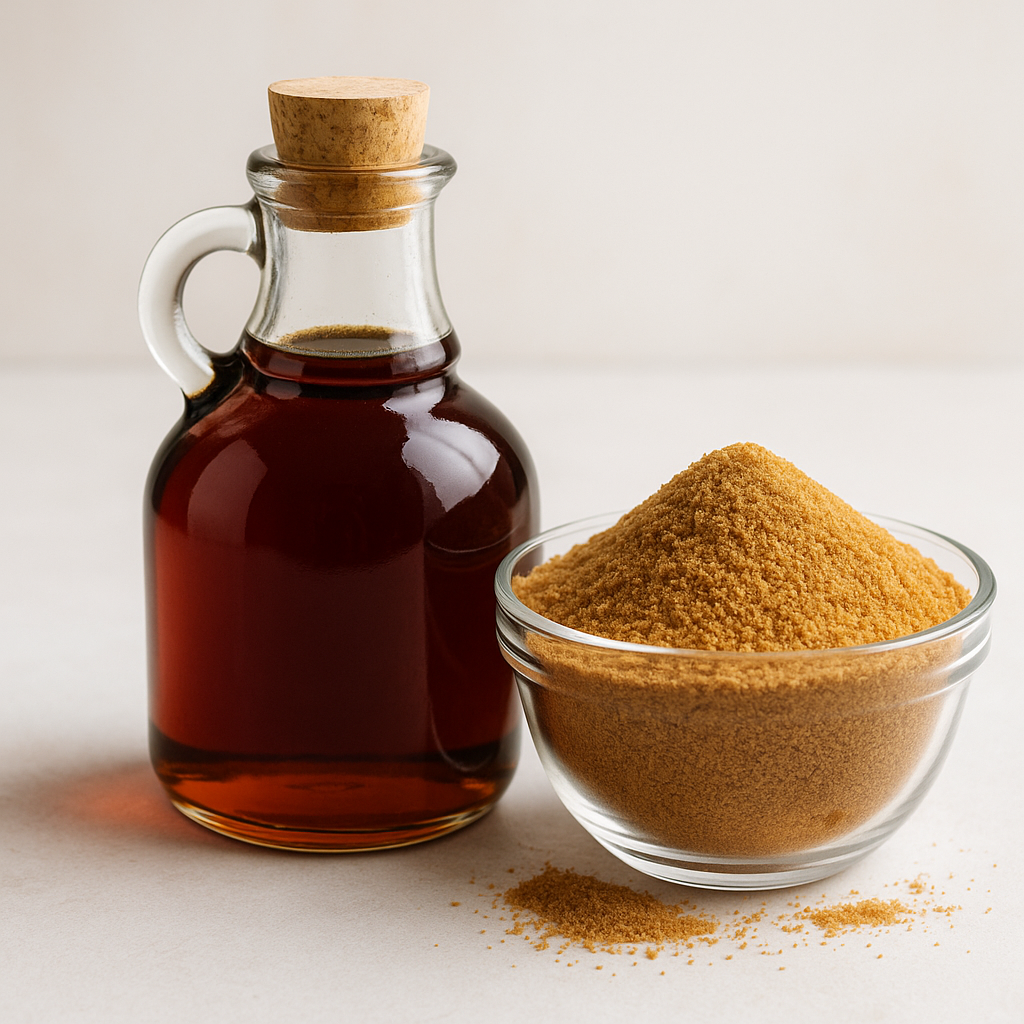
Getting Substitution Ratios right matters when switching maple syrup for coconut sugar — especially when baking or sweetening drinks without losing flavor or texture. This isn’t just about swapping liquids for solids; moisture, sweetness, and browning all need rebalancing along the way. Get the ratio wrong and cookies might crack or a glaze won’t set. Get it right, and the recipe still shines. Clear, tested numbers beat guesswork every time.
What the actual ratio looks like
For every 1 cup of maple syrup, 3/4 cup coconut sugar plus 1/4 cup liquid is the starting point — this balances sweetness and moisture. Unlike liquid sweeteners, coconut sugar doesn’t caramelize the same way, so getting these Substitution Ratios right matters more in baking.
Why the 1-to-1 rule isn’t always perfect
A direct 1-to-1 swap sounds simple, but it doesn’t always work. Maple syrup brings moisture and fluidity that coconut sugar can’t match on its own. That’s why Substitution Ratios need tweaking — especially in cookies or cakes where texture is key. Ignoring how these sweeteners behave can mean dry, crumbly results.
How to measure it without making a mess
Scooping sticky syrup tends to end up everywhere. Measuring coconut sugar is way cleaner — but only with the right technique. Dry measuring cups, leveled off with a knife, keep things accurate. Since this depends on precise amounts, guessing leads to ruined batches.
A kitchen scale helps too — grams don’t lie. Coconut sugar varies in density depending on the brand, so volume measurements can throw things off without anyone realizing. Weighing ensures consistency, especially when adjusting recipes that originally called for maple syrup. Nail this part, and baked goods stay moist, sweet, and just right — no guesswork, no goop.
What’s the catch with the texture?
Swapping maple syrup for coconut sugar changes more than just sweetness — texture takes a hit too. A smooth, sticky liquid gets traded for a dry, granulated solid, and that shift impacts how baked goods come together. Substitution Ratios need adjusting, because one isn’t just a direct swap for the other without consequences.
Dealing with the whole liquid-versus-dry thing
Swapping liquids for solids sounds simple — it isn’t. Maple syrup adds moisture and weight that coconut sugar can’t match on its own. Applying the right ratio means more than just changing sweeteners — it means altering the hydration of the batter. Extra liquid might be needed, maybe a splash of almond milk or an extra egg, to compensate.
Why your cookies might turn out a bit crunchier
Soft, chewy cookies might not be what comes out of the oven. Coconut sugar caramelizes faster than maple syrup, and without the syrup’s moisture, cookies can spread more and crisp up at the edges. This is where Substitution Ratios really matter — too much dry sugar without adjusting liquids amplifies the crunch.
Here’s the real deal: coconut sugar doesn’t retain moisture like maple syrup does. It’s hygroscopic, sure, but not in the same flowing, gooey way that syrup hydrates dough over time. Following the ratio blindly — say, 1:1 by volume — usually means drier batter from the start. That dryness means less steam during baking, less puff, and more browning. Because coconut sugar has a lower pH, it can also speed up Maillard reactions, deepening color and crispiness. For softer results, reducing the coconut sugar slightly and adding a touch more fat or liquid helps.
Does it taste the same? Honestly, no
Picture reaching for that rich maple goodness to drizzle over a morning stack — but today, coconut sugar’s the only option. Substitution Ratios can guide measurements, but flavor is a whole different story. Swapping maple syrup for coconut sugar changes the game entirely. The numbers can guide proportions, but they can’t replicate that distinct maple soul.
Say goodbye to that classic maple zing
Pancakes won’t carry that familiar woodsy, slightly smoky maple tang anymore. Coconut sugar lacks the aromatic depth that makes real maple syrup stand out in glazes and batters. The ratio helps balance sweetness, but it can’t bring back that nostalgic flavor.
Welcoming those deep-brown-sugar notes
This is molasses territory now — warm, caramel-like, with a whisper of toastiness. Coconut sugar brings its own charm, reminiscent of brown sugar with a nutty twist. The ratio keeps texture on track, but this new flavor is where the real shift happens.
Think of it like swapping out a lead singer mid-set — same song, different voice. Coconut sugar’s flavor profile leans into earthy, almost buttery tones, especially when heated. It plays well in spice-heavy recipes — think gingerbread, oatmeal cookies, or barbecue rubs — where its complexity blends instead of clashes. The ratio keeps the bake from collapsing, but the upgrade in depth is what stands out. Once Substitution Ratios get applied in context, flexibility in the kitchen actually expands — it becomes a toolkit for reinvention rather than just a formula.
When should you just stick to the syrup?
Sometimes, no matter how committed the swap, the recipe wins. Delicate batters or moisture-dependent treats like sticky buns can’t fake maple syrup’s unique consistency. The ratio might get close, but it won’t replicate that glossy, pourable richness.
Recipes where moisture is non-negotiable
Baking a banana bread that’s supposed to stay moist for days? Maple syrup pulls double duty as both sweetener and hydrator. Coconut sugar won’t dissolve the same way, and the crumb ends up drier — no amount of tweaking the ratio fixes that. Liquid is needed here, plain and simple.
What happens when you try to make a glaze
Brushing coconut sugar on warm muffins, expecting that shiny, sticky finish? It doesn’t melt — it just sits there, grainy and sad. Without the natural fluidity of maple syrup, the glaze turns into a gritty paste.
Glazes rely on quick melting and even coating, something coconut sugar physically can’t do. It lacks the moisture and viscosity that make maple syrup glide. Even mixed with water or heated, it’s chasing a texture that won’t form. The numbers might balance sweetness, but they can’t recreate flow — so in this case, skipping the swap and reaching for the real thing makes more sense.
My personal tricks for a flawless swap
Getting Substitution Ratios right when swapping maple syrup for coconut sugar isn’t just about math — it’s about texture and flavor balance. A dry sugar replaces a liquid sweetener here, so small tweaks make or break the recipe. A few burned batches taught what to adjust — water, mixing time, and a little patience go a long way.
Adding a tiny splash of water to fix the dry bits
Coconut sugar doesn’t flow like maple syrup, so the batter might look crumbly at first. That’s normal. A tiny splash of water — half a tablespoon at a time — brings it together. Too little and dry pockets persist; too much and the balance throws off the structure.
Seriously, you’ve got to whisk it more than usual
It might seem done, but it’s not. Coconut sugar clumps hide in corners, especially in thick batters. Keep whisking — longer than feels necessary. This extra effort ensures everything works throughout the mix. Skip it, and gritty spots show up instead of smooth sweetness.
It’s not just about beating the bowl like it owes you money — there’s science behind the motion. Replacing maple syrup with coconut sugar means losing natural moisture and emulsifying properties. Whisking aggressively helps distribute fat and any added liquid evenly, turning the ratio into real-world results. A balloon whisk in figure-eights for at least 30 seconds after it looks “done” dissolves tiny granules and aerates the mix, giving a final texture that doesn’t scream “something got swapped.”
The Net Result
One cup of maple syrup equals about 3/4 cup of coconut sugar plus a splash of liquid — that’s the core of this swap. Getting Substitution Ratios right avoids overly dry or bland results, since they affect texture, moisture, and browning all at once. Liquids and leavening may need adjusting because the ratio changes how recipes behave. Master these numbers, and coconut sugar becomes a reliable alternative — not just a compromise, but a genuine option for product developers and home bakers alike. The key is understanding that precision at the measurement stage prevents guesswork in the oven.