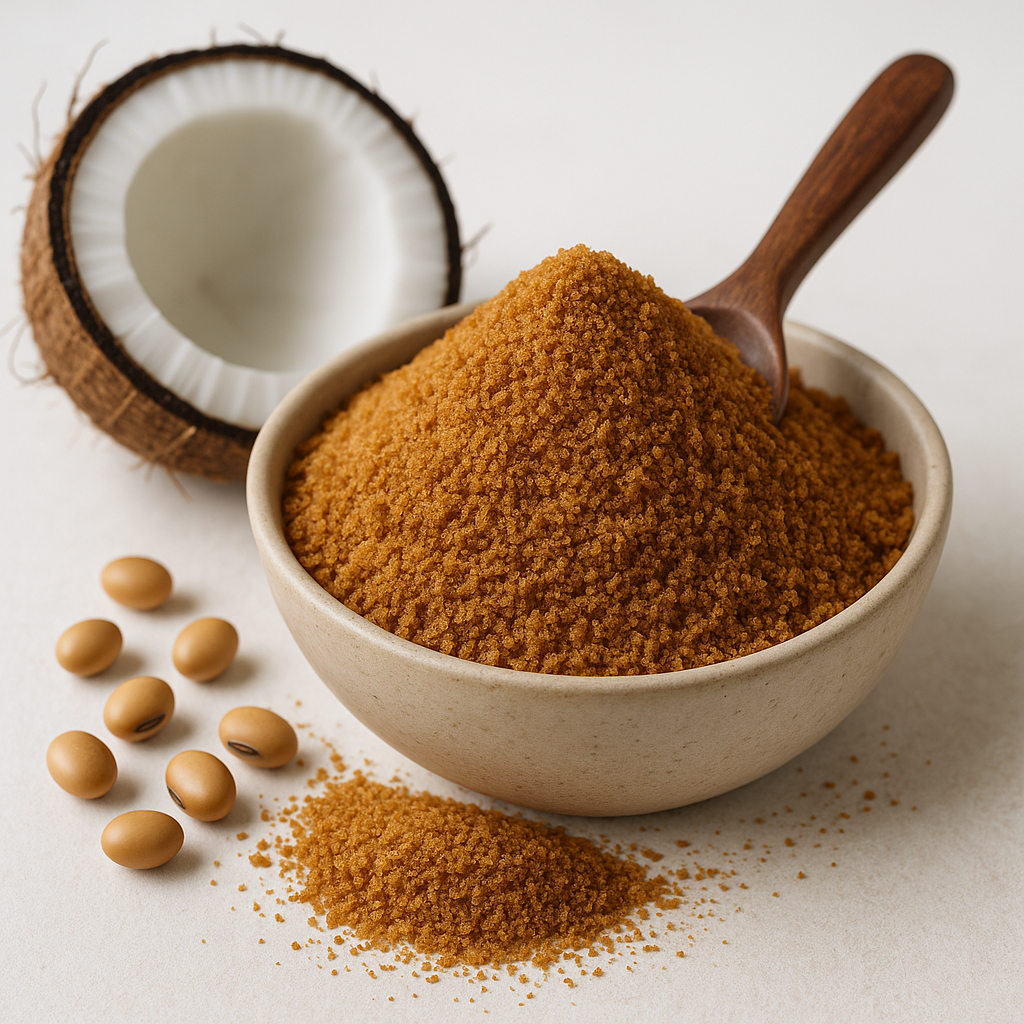
The Chemical Composition of Coconut Sap
Coconut sugar’s flavor starts long before it’s sugar—with the sap itself. This surprisingly complex liquid sets the stage for everything that follows, including the savory, almost umami edge that distinguishes coconut sugar from plain sweetness. Understanding Umami and Savory Notes in Coconut Sugar means starting at the source.
Nitrogenous Compounds and Mineral Richness
Coconut sap is rich in nitrogenous compounds, including a range of amino acids, alongside a fairly full mineral profile. Together, these components explain why the sugar ends up tasting like more than just sweetness. The handling of sap from tapping to kettle plays a crucial role in preserving these delicate compounds.
Transition from Liquid Nectar to Crystalline Sugar
Heating the sap concentrates everything in it. That evaporation step is where much of the flavor depth actually develops.
As water evaporates and the syrup concentrates, sugars caramelize while amino acids and other nitrogenous compounds react with each other, forming new flavor molecules. That controlled reduction in moisture intensifies the savory notes that more attentive palates pick up on. The processing method shapes final product chemistry in ways that directly affect these savory characteristics.
The Amino Acid Profile: Defining the Umami Base
The amino acid profile is the key to coconut sugar’s savory side. A handful of specific amino acids do most of the work in creating Umami and Savory Notes in Coconut Sugar, much the way they do for coconut aminos.
Concentration of Glutamic and Aspartic Acids
Glutamic acid and aspartic acid are the two main players here. Both are naturally abundant in coconut sugar and contribute directly to its savory edge—glutamic acid in particular is the same amino acid responsible for umami in foods like parmesan and soy sauce. The concentration of these amino acids can vary depending on sap collection timing and harvest hour.
Synergistic Effects on Taste Receptors
These amino acids don’t act in isolation. They interact with other compounds in the sugar, and that interaction intensifies the overall savory perception.
It’s a classic case of the whole being greater than the sum of its parts. The combination of amino acids and other naturally occurring compounds produces a more rounded, satisfying flavor than any one of them would on its own—the hallmark of genuine Umami and Savory Notes in Coconut Sugar.
Coconut Sugar vs. Refined Sweeteners
Refined sweeteners deliver pure sweetness and nothing else. Coconut sugar’s amino acid content is what gives it a savory dimension that’s simply absent from processed sugar.
Structural Limitations of Pure Sucrose Profiles
Pure sucrose’s molecular structure simply doesn’t allow for complex savory or umami notes. It delivers sweetness and nothing else, which limits its use to straightforward sweetening. Understanding sucrose inversion during sap cooking helps explain how coconut sugar develops its unique profile beyond simple sweetness.
The Complexity of Unrefined Plant Sugars
Unrefined plant sugars are a different story. Their natural composition gives them a broader spectrum of flavor, including the savory notes coconut sugar is known for.
These sugars retain amino acids, minerals, and vitamins that get stripped out during white sugar refining. Those components interact to produce a rounder, less one-dimensional sweetness. The difference is most noticeable in dishes where the Umami and Savory Notes in Coconut Sugar actually get a chance to come through. The mineral composition and ash chemistry also contribute to this complexity.
Culinary Applications of Savory-Sweet Profiles
This savory-sweet profile opens up interesting culinary territory. Unlike typical sweeteners, it adds a layer of depth that works in both sweet and savory applications, changing how you might think about balancing flavor in a dish.
Depth Enhancement in Sauces and Marinades
In sauces and marinades, coconut sugar’s savory notes add a richer, more complex profile. This makes it particularly valuable in Asian-inspired dishes where the Umami and Savory Notes in Coconut Sugar complement other ingredients naturally. For beverage applications, understanding how to work with these notes matters—especially when formulating RTD coffee and tea.
Balancing Palate Perception in Confectionery
In confectionery, those subtle savory notes help balance sweetness so desserts don’t come across as overly cloying. It’s part of what gives coconut sugar baked goods a slightly more sophisticated finish.
To be clear, this isn’t about making dessert taste like dinner. It’s a subtle counterpoint that rounds out the sweetness and makes each bite feel less one-note. Chocolates, caramels, and fruit tarts all pick up extra dimension from it. The connection between caramelization and Maillard reactions during processing further enhances these savory characteristics.
Nutritional and Metabolic Implications
The amino acids responsible for coconut sugar’s savory side don’t stop at flavor. They have roles in the body that go well beyond taste.
Role of Amino Acids in Nutrient Absorption
Amino acids act as transporters in the body, helping it absorb other nutrients—minerals and vitamins included—more effectively from whatever else you’re eating. The Umami and Savory Notes in Coconut Sugar signal not just flavor complexity but also nutritional complexity.
Comparative Glycemic Impact and Satiety
Coconut sugar’s glycemic response tends to be more moderate than refined sugar’s, and the amino acids present may also contribute to a feeling of fullness that helps with appetite regulation.
| Glycemic Impact | Satiety |
|---|---|
| Coconut sugar exhibits a lower glycemic index than table sugar. | Amino acids contribute to a sustained feeling of fullness. |
| Slow release of sugars prevents sharp spikes in blood glucose. | This can help in managing food intake and cravings. |
The amino acids in coconut sugar appear to signal fullness to the brain more effectively than simple sugars do, which can translate to less snacking between meals—a small but real difference compared to refined sweeteners.
| Benefit | Mechanism |
|---|---|
| Reduced post-meal hunger. | Amino acids trigger satiety hormones. |
| Better blood sugar control. | Slower digestion of sugars. |
| Support for weight management. | Decreased caloric intake from snacking. |
The Takeaway
The amino acid connection is the scientific reason coconut sugar tastes like more than just sweetness. Glutamic and aspartic acids—the same compounds behind umami in aged cheeses and fermented foods—occur naturally in coconut sap and survive the heating process. When you understand Umami and Savory Notes in Coconut Sugar, you understand why it can do things in a recipe that refined sugar simply can’t. These amino acids work synergistically with minerals and other compounds to create a complex, satisfying flavor that balances sweetness with depth, making coconut sugar a functional choice for both sweet and savory applications. Whether you’re developing sauces, confections, or beverages, recognizing the umami foundation gives you better control over the final flavor profile.