Table of Contents
Many of you wonder about the actual amount of inulin in coconut sugar. You are looking for clear answers regarding inulin in coconut sugar. You need to understand why the content of inulin in coconut sugar fluctuates and which laboratory methods accurately measure inulin in coconut sugar. This post will clarify the facts surrounding inulin in coconut sugar.
Processing Effects on Fiber Stability
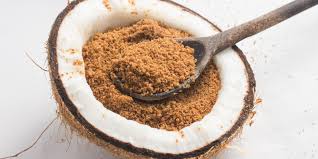
Manufacturing coconut sugar significantly impacts the final inulin content. You must understand how different processing steps can either preserve or degrade the naturally occurring inulin in coconut sugar, influencing the amount you consume.
Thermal Degradation During Sap Evaporation
Heat applied during sap evaporation can break down inulin. You should be aware that prolonged exposure to high temperatures reduces the initial inulin in coconut sugar, affecting its prebiotic properties.
Traditional Open-Pan vs. Modern Vacuum Processing
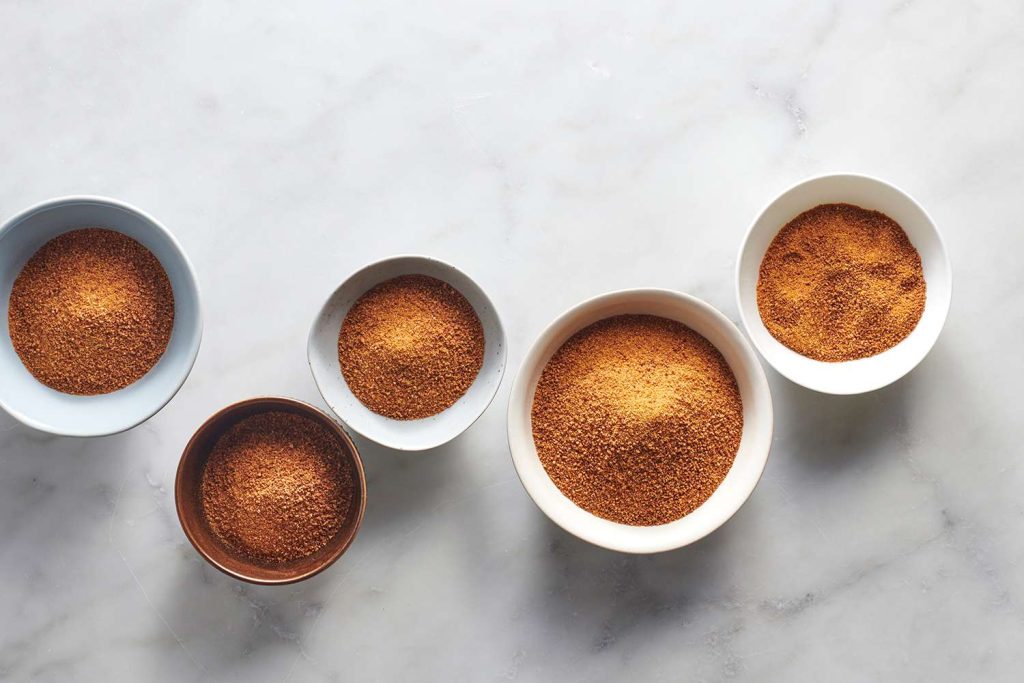
Different processing methods yield varying inulin levels. You will find that traditional open-pan methods often result in lower inulin in coconut sugar compared to modern vacuum techniques.
Traditional open-pan processing involves boiling the coconut sap at atmospheric pressure, typically at temperatures around 100°C for extended periods. This prolonged, high-heat exposure significantly contributes to the thermal degradation of inulin in coconut sugar.
You can compare this to modern vacuum processing, which operates at much lower temperatures (often below 60°C) due to reduced pressure. This gentler method minimizes heat-induced changes, better preserving the delicate inulin structure and resulting in a higher concentration of inulin in coconut sugar. You will notice a considerable difference in the final product’s fiber content depending on the method used.
Analytical Challenges in Measuring Complex Carbohydrates
Measuring the exact amount of inulin in coconut sugar presents unique analytical hurdles. You face difficulties isolating and quantifying this complex carbohydrate accurately, especially within a naturally varied matrix. Proper methodology is paramount for reliable data regarding inulin in coconut sugar.
Distinguishing Inulin from Other Polysaccharides
Identifying inulin’s distinct molecular structure among other similar polysaccharides is a significant challenge. You must employ methods capable of differentiating its specific fructan linkages from other carbohydrate forms present in coconut sugar. Precise identification ensures accurate inulin in coconut sugar measurement.
Common Interference Factors in Coconut Matrix Testing
Coconut sugar’s natural composition introduces various substances that can interfere with inulin quantification. You will encounter sugars like sucrose, glucose, and fructose, alongside minerals and other organic compounds. These factors complicate the precise measurement of inulin in coconut sugar.
Coconut sugar naturally contains many compounds that can obscure inulin detection and quantification. You’ll find high levels of simple sugars (sucrose, glucose, fructose) that can co-elute or react similarly to inulin in certain assays.
* Plant pigments and minerals also present in the matrix can interfere with spectroscopic readings or enzymatic reactions.
* The presence of other non-inulin fructans or complex fibers can lead to overestimation if your method isn’t specific enough.
Any robust analytical approach must address these potential interferences to ensure accurate results for inulin in coconut sugar.
Evaluating Credible Laboratory Methodologies
Understanding which lab methods offer reliable insights into the inulin content of coconut sugar is imperative for accurate assessment. You need to question the methodologies, especially when considering claims about health benefits. For more on this, explore Is Coconut Sugar Good for You?
HPAEC-PAD: The Gold Standard for Sugar Profiling
High-Performance Anion-Exchange Chromatography with Pulsed Amperometric Detection (HPAEC-PAD) excels at separating and quantifying various carbohydrates, including inulin. This method provides a detailed sugar profile, accurately identifying the inulin in coconut sugar and its varying chain lengths. It delivers precise, reliable results for the inulin in coconut sugar.
AOAC Enzymatic Methods and Their Limitations
AOAC enzymatic methods, while widely used for dietary fiber analysis, often present limitations when specifically quantifying inulin in coconut sugar. These methods may not differentiate effectively between inulin and other fructans or resistant starches, leading to potential overestimations of the inulin in coconut sugar.
You find that these methods rely on a series of enzymatic digestions to break down carbohydrates, with the remaining insoluble material often classified as fiber. This broad classification can obscure the true concentration of inulin in coconut sugar. The non-specific nature of some enzymes means other complex carbohydrates might be mistakenly included in the inulin measurement, misrepresenting the actual inulin in coconut sugar content. You must consider these factors when evaluating laboratory reports on inulin in coconut sugar.
Industry Standards and Labeling Accuracy
Companies often face challenges in accurately labeling the inulin content in coconut sugar. Understanding the chemical analysis and nutritional profile of coconut sugar is vital for consistent industry standards. You can learn more about this at Coconut Sugar: Chemical Analysis and Nutritional Profile – PMC.
Discrepancies Between Lab Results and Marketing Claims
Sometimes, marketing claims exaggerate the inulin in coconut sugar. You might see labels promoting high inulin levels that don’t align with independent lab tests. These inconsistencies create confusion for consumers seeking specific health benefits from the inulin in coconut sugar.
Establishing Rigorous Quality Control Protocols
You need to establish rigorous quality control protocols for verifying the inulin in coconut sugar. Implementing standardized testing methods ensures accurate reporting of inulin content. This protects consumers and maintains brand credibility regarding the inulin in coconut sugar.
Implementing a comprehensive quality control system means you should regularly test batches of coconut sugar for inulin content using validated methods. You could partner with accredited third-party laboratories to conduct these analyses, providing an unbiased assessment. You should also ensure clear documentation of all testing procedures and results, creating a transparent audit trail. This commitment to consistent verification of inulin in coconut sugar builds trust with your customers and strengthens your product’s position in the market.
Final Words
With these considerations, you now possess a clearer understanding of inulin in coconut sugar. You recognize the factors influencing the variable amounts of inulin in coconut sugar and can discern credible lab methods for its accurate quantification. Your informed perspective on inulin in coconut sugar will guide you in evaluating product claims and understanding the true composition of this sweetener regarding inulin in coconut sugar.