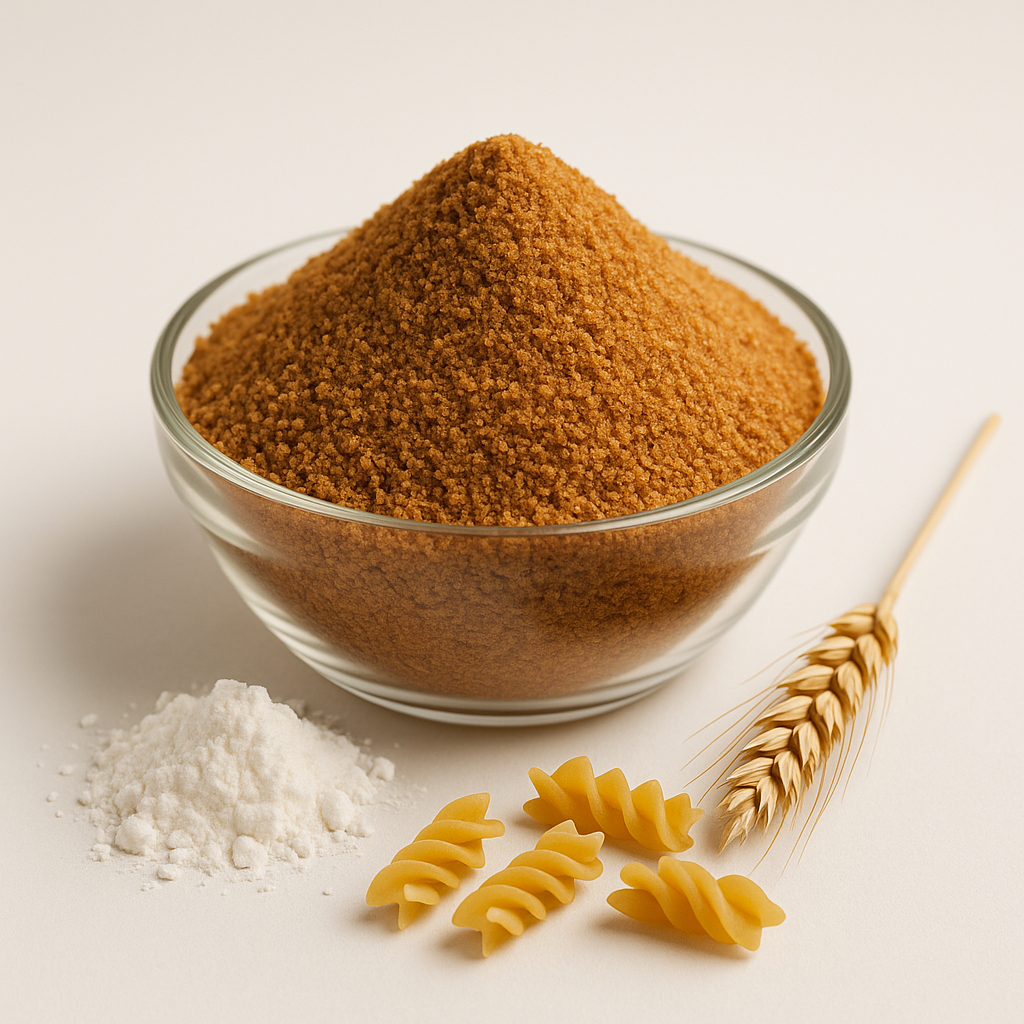
- The Botanical and Chemical Composition of Pure Coconut Sugar
- Deliberate Adulteration Through Crystallization Additives
- Cross-Contamination in Multi-Product Processing Facilities
- Anti-Caking Agents and Flow Improvers
- Environmental and Logistical Factors in Sap Collection and Transport
- Celiac Disease and Non-Celiac Gluten Sensitivity Triggers
- Metabolic and Physiological Implications of Starch Adulteration
- Enzyme-Linked Immunosorbent Assay (ELISA) Detection Methods
- Starch Identification Through Iodine Binding and Microscopy
- DNA-Based Authentication and Source Verification
- Advanced Chromatographic and Spectroscopic Analysis
- Supply Chain Traceability and Good Manufacturing Practices
- Global Regulatory Frameworks and Labeling Standards
Coconut sugar is often marketed as a clean, minimally processed sweetener, which makes it a popular choice for people avoiding gluten or managing other dietary restrictions. But Starch and Gluten Contamination in Coconut Sugar can and does happen through a surprising number of pathways. This piece walks through where it comes from, what it means for health, and how labs actually test for it.
The Botanical and Chemical Composition of Pure Coconut Sugar
Harvesting and Primary Composition of Cocos nucifera Sap
Coconut sugar starts as sap tapped from the flower blossoms of the coconut palm. This initial sap is mostly water and sucrose—a simple, naturally clean starting material, and a big part of why pure coconut sugar shouldn’t contain starch or gluten in the first place.
Natural Carbohydrate Profile and Low Glycemic Index Properties
Pure coconut sugar’s carbohydrate profile is mostly sucrose, with smaller amounts of glucose and fructose. That balance is part of why it has a lower glycemic index than refined sugar, and why it suits certain dietary needs.
The presence of inulin, a dietary fiber, further moderates blood sugar spikes, setting coconut sugar apart from refined sugars. This composition supports a slower release of energy, which is part of its appeal as a sweetener—and in its natural state, there’s no reason for starch or gluten to be anywhere near it.
Trace Mineral Content and Micronutrient Integrity
Pure coconut sugar also retains various trace minerals from the sap it’s made from. These micronutrients add to its nutritional value compared to more heavily processed sweeteners.
Potassium, magnesium, zinc, and iron all show up naturally in coconut sugar’s nutritional profile. Careful processing helps preserve these mineral compounds—and that same careful processing is what keeps starch and gluten out of the picture entirely.
Deliberate Adulteration Through Crystallization Additives
Not all contamination is accidental. Some producers add crystallization agents to boost yield or disguise poor-quality sap, and those additives often contain starch or gluten—introducing contaminants directly into the finished product.
Integration of Starch and Gluten-Containing Flour in Poor-Quality Sap
Producers sometimes mix starch- or gluten-containing flours directly into low-quality sap to thicken it and make it look richer than it is—a shortcut that introduces real health risks for anyone avoiding gluten.
Visual Masking Techniques through the Creation of Hardened Sugar Blocks
Another method involves forming hardened sugar blocks using binders that happen to contain starch or gluten. The hardened form effectively masks the presence of these foreign substances.
These blocks let adulterers conceal lower-quality ingredients or stretch the product’s volume using cheap, starch- or gluten-rich fillers that solidify right along with the sugar. The result is contamination with no visible sign of tampering.
Economic Incentives Driving Intentional Volume Enhancement and Adulteration
The motive, usually, is money. Stretching product volume with cheaper fillers increases profit margins—and that economic pressure is a major driver of Starch and Gluten Contamination in Coconut Sugar.
The lure of higher margins can push some producers to cut corners, treating cheap starch or gluten additions as an easy way to boost yield and cut costs, even at the expense of consumer health.
Cross-Contamination in Multi-Product Processing Facilities
Even producers with no intention of adulterating anything can run into trouble if coconut sugar is processed in a facility that also handles other ingredients. Shared production lines and equipment can introduce allergens without anyone noticing.
Shared Equipment Risks with Wheat-Based Sweeteners and Modified Starches
Shared machinery—especially drying and milling equipment—is a direct risk. If a facility runs wheat-based sweeteners or modified starches through the same lines before coconut sugar, residues can carry over into the next batch.
Accumulation of Microscopic Particles in Evaporators and Crystallizers
Microscopic starch and gluten particles can adhere to equipment surfaces, and evaporators and crystallizers—with their intricate internal designs—offer plenty of crevices where these particles can collect and linger.
Residues baked onto or embedded in these surfaces are a persistent problem. High temperatures and sugar concentrations during evaporation and crystallization can fuse microscopic particles onto equipment, and even routine cleaning doesn’t always dislodge them—they can shed into later batches.
Limitations of Cleaning Protocols in Non-Dedicated Production Zones
Standard cleaning procedures don’t always eliminate every residue, and facilities without dedicated allergen-free production zones often lack the specialized protocols needed to fully clear starch and gluten between runs.
General food-safety cleaning protocols often aren’t designed with allergen removal specifically in mind. Without dedicated cleaning validation for starch and gluten, microscopic particles can linger in hard-to-reach corners of shared equipment—making it difficult to guarantee a clean batch.
Anti-Caking Agents and Flow Improvers
Anti-caking agents are a common, often-overlooked source of contamination. These additives keep the sugar free-flowing and prevent clumping, but many of them contain starches that can carry hidden gluten. For more on coconut sugar’s composition generally, see Coconut Sugar: Chemical Analysis and Nutritional Profile – PMC.
Functional Application of Starch for Moisture Control and Clumping Prevention
Starches frequently serve as functional ingredients in granulated products, controlling moisture and preventing clumping. That’s a legitimate use—but it also means starch can end up in the sugar even when nobody’s trying to cut corners, which matters when assessing overall product purity.
Comparative Analysis of Tapioca, Corn, and Rice vs. Wheat-Derived Starches
| Starch Sources for Anti-Caking | |
|---|---|
| Naturally Gluten-Free | Potential Gluten Risk |
| Tapioca, corn, and rice starches are generally considered safe, though cross-contamination during processing remains possible. | Wheat-derived starches introduce gluten directly, making them one of the more significant contamination risks. |
Different starch types carry different levels of risk. Tapioca, corn, and rice starches are inherently gluten-free, though cross-contamination during processing is still possible. Wheat-derived starches are the bigger concern, since they introduce gluten directly—which is why it’s worth verifying both the source and the processing conditions of any added starch.
Post-Crystallization Integration and the Challenges of Visual Detection
Once anti-caking agents are incorporated after crystallization, they blend in seamlessly and become essentially impossible to spot by eye. Appearance alone tells you nothing here—specialized testing is the only reliable way to know.
The fine particles of anti-caking agents blend perfectly with the sugar crystals themselves, which is exactly why rigorous lab testing protocols matter for both product safety and label accuracy.
Environmental and Logistical Factors in Sap Collection and Transport
Environmental factors and collection logistics matter too—everything from the immediate surroundings of the palm trees to the journey the sap takes afterward can introduce contamination.
- Airborne particles can settle into open containers.
- Shared equipment poses cross-contamination risks.
- Unsanitary transport conditions can compromise purity.
Any oversight at any of these points can introduce unwanted starch or gluten.
Open-Air Collection Risks and Particulate Infiltration from Agricultural Surroundings
Open sap collection invites various contaminants. Airborne starch from nearby crops—corn or rice fields, for example—can drift into open containers, along with dust, pollen, and other particulates.
Traditional Harvesting Methods vs. Modern Food Safety Standards
Traditional harvesting methods, while culturally rich, often lack stringent contamination controls. Open collection vessels and minimal sanitation practices are common, and both raise the odds of contamination getting in.
These practices, passed down through generations, tend to prioritize efficiency and resourcefulness over modern hygiene protocols. Harvesters may use shared tools that aren’t routinely sterilized, and sap can sit in open containers for extended periods, exposed to airborne contaminants. Without controlled environments and standardized sanitation, guaranteeing a truly gluten-free product becomes much harder.
Contamination Risks from Reused Storage Containers and Transport Vessels
Reused containers are a high-risk item. Whatever they held before—especially if it contained gluten or starch—can leave residues behind if cleaning wasn’t thorough.
Containers and transport vessels reused across different food products, without thorough validated cleaning, are a frequent source of hidden contamination. Picture a drum that previously held a starch-based syrup, now repurposed for coconut sap—even if it looks clean, microscopic residues of gluten or starch can hide in its pores and seams, and leach into the sap long before it ever reaches the processing facility.
Celiac Disease and Non-Celiac Gluten Sensitivity Triggers
For people with celiac disease or non-celiac gluten sensitivity, even trace amounts of gluten can provoke a serious immune response—which is why Starch and Gluten Contamination in Coconut Sugar matters so much for this group specifically.
Autoimmune Responses and Intestinal Villi Damage from Contaminated Sugar
In celiac patients, consuming contaminated coconut sugar can trigger an autoimmune attack that damages the villi lining the small intestine, impairing nutrient absorption—a clear illustration of how serious this risk can be.
The “Hot Spot” Phenomenon: Concentration of Gluten Proteins in Specific Granules
Gluten proteins don’t always distribute evenly through a product. “Hot spots” can form, where gluten concentrates in specific granules—and that uneven distribution makes detection particularly tricky.
Picture a bulk shipment with a small amount of gluten introduced via shared equipment. That gluten might not mix uniformly—it could clump in certain areas. One serving from the batch could test clean while another contains a concentrated dose, purely due to these hot spots. That’s part of why some people react even when overall gluten levels in a batch appear low.
Long-Term Health Implications of Chronic Low-Level Exposure and Malabsorption
Chronic exposure to low levels of gluten—even from an unexpected source like coconut sugar—can take a toll over time. Malabsorption from ongoing intestinal damage leads to nutritional deficiencies and a higher risk of various health complications.
Low-level exposure often doesn’t produce immediate symptoms, but the cumulative effect can be significant. Persistent intestinal damage interferes with absorption of iron, calcium, and B vitamins, and over many years that can show up as anemia, osteoporosis, neurological issues, and in rare cases certain cancers. It’s a strong argument for taking this kind of contamination seriously, even at low levels.
Metabolic and Physiological Implications of Starch Adulteration
Beyond the immune-related risks, undetected starch contamination changes how the body responds metabolically compared to pure coconut sugar—which matters given how often coconut sugar is marketed as the healthier alternative.
Impact on Glycemic Response and Insulin Spikes in Diabetic Populations
Hidden starches convert to glucose quickly, producing a higher glycemic response and a more pronounced insulin spike than pure coconut sugar would—a particular concern for anyone managing diabetes and relying on coconut sugar’s lower glycemic index.
Digestive Disruptions Linked to Unidentified Grain-Based Fillers
Unidentified grain-based fillers can also trigger digestive issues on their own. Bloating, gas, and general discomfort are common in sensitive individuals when these fillers contain gluten.
Symptoms can range from mild indigestion to more severe gastrointestinal distress. For people with celiac disease or non-celiac gluten sensitivity, even small amounts of gluten can trigger an immune response that leads to intestinal damage and malabsorption—which defeats the purpose of choosing coconut sugar as a safer alternative in the first place.
Nutritional Dilution and the Loss of Natural Coconut Sugar Benefits
Adulteration with cheaper starches also dilutes the nutritional value that makes coconut sugar appealing in the first place—the beneficial minerals and antioxidants simply aren’t there in the same concentration anymore.
Coconut sugar is typically chosen for its potassium, iron, zinc, and B vitamins, along with a lower glycemic index than refined sugar. Contamination with cheap starch fillers replaces those nutrients with empty calories—undermining the exact reasons someone reached for coconut sugar in the first place.
Enzyme-Linked Immunosorbent Assay (ELISA) Detection Methods
ELISA testing can detect minute traces of starch and gluten contamination, offering high sensitivity and specificity for identifying the proteins involved. For more background on real-world cases, see Recent Gluten Contamination in Coconut Sugar Industry.
Sandwich ELISA Techniques for Identifying Gliadin and Glutenin Fragments
Sandwich ELISA techniques allow precise identification of gliadin and glutenin fragments. Using two antibodies in this way improves detection accuracy considerably.
Optimization of Extraction Buffers for Solubilizing Hydrophobic Proteins
Selecting the right extraction buffer is a key early step, since gliadin and glutenin are notoriously hydrophobic and resist extraction with standard aqueous solutions.
Researchers fine-tune buffer compositions—testing different detergents, salts, and pH levels—to maximize protein yield while keeping the extracted proteins intact enough to be recognized by antibodies. A well-optimized buffer is what stands between a reliable result and a false negative.
Assessing the Impact of Thermal Denaturation on Antibody Recognition
Heat processing can alter protein structures enough to affect how well antibodies recognize them during testing—something that has to be accounted for given how much heat coconut sugar production involves.
High temperatures can irreversibly alter the three-dimensional structure of gliadin and glutenin, potentially hiding the very epitopes antibodies are designed to recognize. Researchers evaluate protein stability under various heating conditions to confirm that the chosen antibodies still bind effectively to denatured fragments—an essential check for any testing method meant to work on processed coconut sugar.
Starch Identification Through Iodine Binding and Microscopy
Confirming starch in coconut sugar samples can be done with several analytical methods, ranging from simple colorimetric tests to advanced microscopy.
Qualitative Screening Using Lugol’s Solution and Blue-Black Coloration
The simplest screen is adding Lugol’s iodine solution to a sample—a distinct blue-black color confirms the presence of starch.
Polarized Light Microscopy and Birefringence Pattern Analysis of Starch Sources
Observing samples under a polarized light microscope reveals characteristic birefringence patterns—distinctive “Maltese cross” formations that help differentiate between starch granules from different sources.
Different plant starches have distinct shapes, sizes, and birefringence patterns—rice starch looks different from corn starch under polarized light, for example—which can help pinpoint the likely source of contamination, not just confirm its presence.
Quantitative Measurement via Enzymatic Amylase Digestion and Glucose Verification
For a quantitative measurement, enzymatic digestion is the standard approach—amylase enzymes break starch down into glucose, which is then measured to determine total starch concentration.
The released glucose is measured using a glucose oxidase assay or similar method, giving a precise numerical value for starch content—a much clearer picture than a simple positive/negative test.
DNA-Based Authentication and Source Verification
Genetic testing offers an unmatched level of precision for identifying contaminants. DNA analysis can confirm the presence of starch- or gluten-source material with a level of certainty other methods can’t match.
PCR Amplification of Species-Specific Chloroplast Genes in Grains
PCR can amplify chloroplast genes unique to specific grains, allowing detection of wheat, barley, or other starch-containing grains even in minute quantities.
Real-Time qPCR for Precise Quantification of Contaminant Percentages
Real-time qPCR goes a step further, providing a precise, quantifiable measure of contaminant percentages rather than a simple presence/absence result.
By monitoring DNA amplification in real time, the initial concentration of contaminant DNA in a sample can be determined. That level of precision matters for compliance with labeling regulations and for deciding whether a batch should be rejected outright.
Stability of DNA Fragments through High-Temperature Crystallization Processes
DNA fragments are surprisingly resilient, often surviving even the high temperatures involved in crystallization. That stability means genetic material from contaminants remains detectable well after processing.
| DNA Fragment Stability in Crystallization | |
|---|---|
| High temperatures | Do not completely degrade DNA, leaving detectable fragments. |
| Crystallization process | Preserves genetic material within the sugar matrix. |
| Processing impact | DNA fragments remain robust against thermal denaturation. |
| Detection window | Extended period for identifying contamination post-production. |
This durability is what makes DNA-based testing so reliable—even after coconut sap goes through extensive heating and crystallization, the genetic signatures of any contaminants are still there to be found.
Advanced Chromatographic and Spectroscopic Analysis
For minute levels of contamination, advanced analytical methods offer sensitivity and specificity well beyond basic tests, providing definitive identification and quantification of unwanted adulterants.
- Understanding the limitations of rapid tests.
- Exploring the capabilities of advanced laboratory techniques.
- Ensuring accurate detection of contamination at every stage.
| Advanced Analytical Techniques for Coconut Sugar Purity | |
|---|---|
| Technique Type | Primary Application |
| Chromatographic | Separation and identification of complex mixtures. |
| Spectroscopic | Analysis of molecular interactions with electromagnetic radiation. |
High-Performance Liquid Chromatography (HPLC) for Identifying Sugar Adulterants
HPLC separates and quantifies individual sugar components and potential adulterants with high resolution, making it useful for spotting sugars that shouldn’t be there.
Near-Infrared (NIR) Spectroscopy for Rapid Non-Destructive Screening
NIR spectroscopy provides a quick, non-destructive way to screen samples, identifying potential contamination based on unique spectral fingerprints—well suited for routine quality control.
It works by measuring how the sample absorbs near-infrared light—different chemical bonds absorb at specific wavelengths, producing a unique spectral signature. Comparing that signature against a database of known pure and contaminated samples can quickly flag the presence of starch or gluten, with minimal sample prep needed.
Mass Spectrometry Applications in Trace Protein Residue Identification
Mass spectrometry offers the highest sensitivity of all for trace protein residues, including gluten, providing definitive confirmation even at very low detection limits.
After enzymatic digestion, protein fragments are analyzed by their mass-to-charge ratios and compared against known protein databases—a method especially useful for confirming results from less specific tests and for meeting strict allergen labeling requirements.
Supply Chain Traceability and Good Manufacturing Practices
Preventing Starch and Gluten Contamination in Coconut Sugar ultimately requires rigorous control across the whole supply chain—robust traceability systems and adherence to Good Manufacturing Practices (GMPs) from sap collection all the way to final packaging.
Supplier Verification Programs and Documented Sap Hygiene Protocols
Verifying that suppliers follow strict hygiene protocols—dedicated equipment for sap collection, documented cleaning procedures—minimizes the risk right at the source.
Third-Party Certification Schemes and Multi-Stage Batch Testing Requirements
Third-party certifications add an extra layer of assurance. Independent audits confirm adherence to food safety standards and often include multi-stage batch testing.
Certification schemes like the Gluten-Free Certification Organization (GFCO) require comprehensive audits of the entire production process—cleaning procedures, ingredient sourcing, employee training, all documented. Multi-stage batch testing, which checks raw materials, in-process samples, and finished products at different points, significantly cuts the odds of contamination slipping through undetected.
Environmental Monitoring through Surface Swabbing and Air Sampling Validation
Regular environmental monitoring—surface swabbing and air sampling—validates whether cleaning protocols are actually working and helps pinpoint problem areas within a facility.
Swabbing processing equipment, work surfaces, and storage areas can detect residual starch or gluten, while air sampling—especially in areas where ingredients are handled—catches airborne contaminants before they settle on the product. Together, these proactive checks provide the data needed to act quickly and keep the production environment clean.
Global Regulatory Frameworks and Labeling Standards
Different countries take different regulatory approaches to food safety and labeling, and these frameworks directly influence how manufacturers declare potential contaminants—including the kind of precautionary statements that show up on labels.
International Standards for Gluten-Free Claims and Threshold Compliance
Different nations set different thresholds for what counts as “gluten-free.” These standards directly affect consumer trust and marketability, and compliance is essential for any product sold internationally.
Mandatory Disclosure Laws for Incidental Additives and Processing Aids
Many countries also require disclosure of incidental additives. Identifying all the processing aids used in production matters, since these can be a hidden source of contamination that transparency rules are designed to catch.
Even minute quantities of starch or gluten that weren’t intentionally added—but ended up in the product anyway through the manufacturing process—fall under these disclosure laws. Failing to disclose them can mean significant legal and reputational damage.
Consumer Protection Policies and the Prevention of Food Fraud
Consumer protection policies, broadly, aim to prevent food fraud and keep labeling accurate. But vigilance is a shared responsibility—regulation alone doesn’t catch everything.
These policies give regulatory bodies the power to investigate misleading claims, enforce labeling accuracy, and penalize companies that misrepresent their products. They add a meaningful layer of assurance, but sourcing carefully and verifying products independently is still worth the effort.
Key Takeaways on Preventing and Detecting Contamination
Starch and Gluten Contamination in Coconut Sugar stems from multiple, often overlapping, sources: deliberate adulteration to stretch volume, shared equipment in multi-product facilities, the addition of anti-caking agents that contain starch, and environmental exposure during collection and transport. Each pathway presents distinct risks, especially for consumers with celiac disease or gluten sensitivity who rely on accurate labeling.
Rigorous testing—ranging from ELISA and DNA-based methods to chromatographic analysis—provides the definitive tools needed to detect these contaminants at even trace levels. But testing alone isn’t enough. Comprehensive supply chain traceability, validated sanitation protocols, and adherence to international labeling standards form the foundation of a truly safe product. For producers and buyers alike, the integrity of coconut sugar depends on vigilance at every step, from the tapping of the sap to the final package that reaches the consumer.