What’s the real deal with these labels?
“Fair Trade” and “Direct Trade” show up stamped on coconut sugar bags all the time—and shoppers often pay extra for them. But do those labels actually mean farmers get more? Understanding Fair Trade and Direct Trade in Coconut Sugar matters because the truth isn’t always sweet. Some certifications promise fairness but deliver pennies. Others cut out middlemen but lack oversight. It’s time to peel back the packaging.
The lowdown on the Fair Trade seal
A Fair Trade certification in coconut sugar means farmers are supposed to get a minimum price and a premium for community projects. But in reality, that extra money often gets stuck in cooperatives or eaten up by certification costs. Don’t assume the farmer pockets the difference on a Fair Trade purchase—sometimes they see little to none.
Direct Trade is a whole different ballgame
Direct Trade skips the certification circus and builds relationships between buyers and farmers. This model can mean higher pay—since there’s no fee to pay to a third party. It’s a bet on trust, not paperwork. But without standards, it’s buyer beware.
Think of Direct Trade like a handshake deal—personal, flexible, but not always fair. Some brands pay double the local rate and help with farming tools or training. Others use the term as marketing fluff. When it works, both models can lift farmers up—but Direct Trade only delivers if the buyer is honest. Who’s really benefiting? Transparency isn’t a label. It’s a choice, and that choice matters when evaluating how traditional production supports community livelihoods.
Where’s all that extra cash actually going?
Paying more for a certified bag of coconut sugar comes with an assumption that farmers get a fair share—but how much actually lands in their hands? A lot of that premium gets siphoned off long before it reaches the village. Fair Trade Premiums: How Much Reaches the Farmers? digs into the numbers, and the truth might be surprising.
Breaking down the “Premium” fee
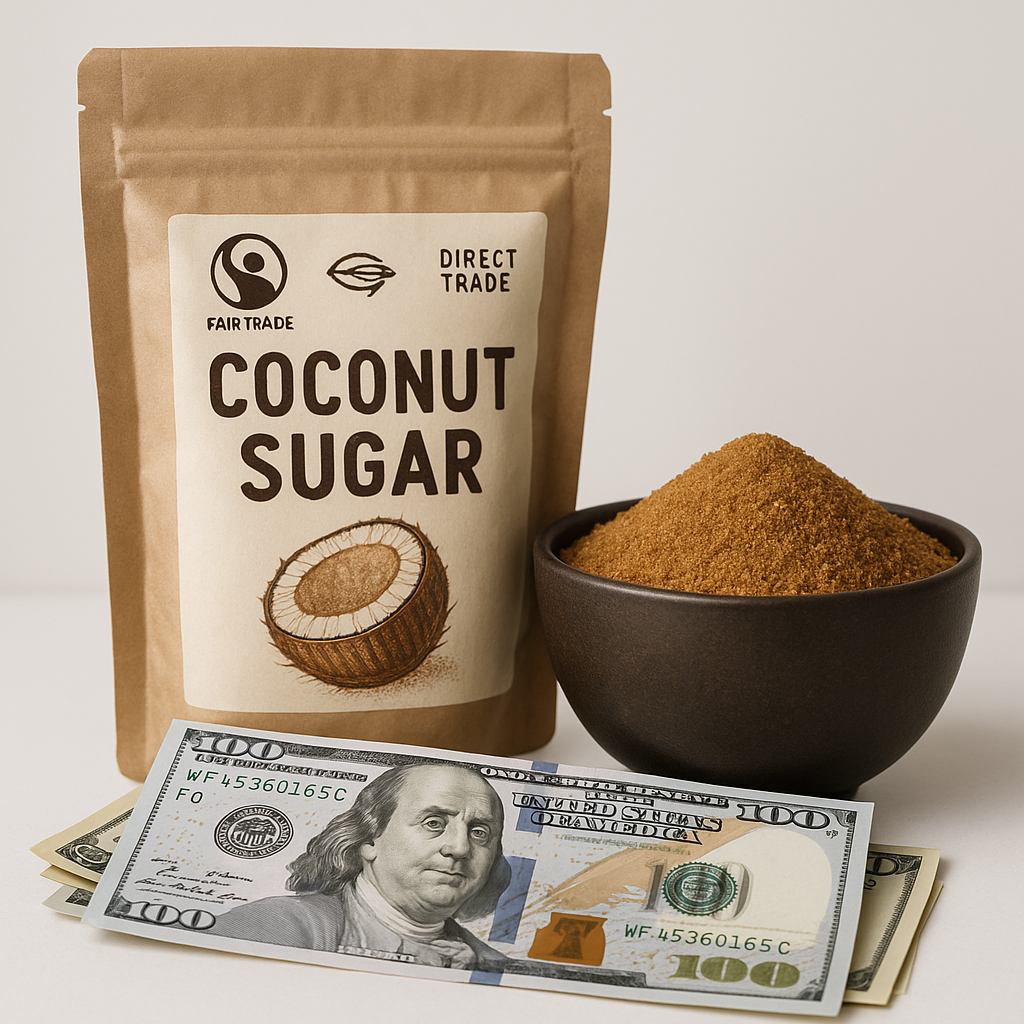
The “premium” funded through these purchases isn’t always cash in hand. Some goes to community projects like schools or clean water—noble, sure, but not direct income. Certification costs, transport, and middlemen take slices too. The money supports systems, not just salaries.
Why some of it never hits the farmer’s pocket
Admin fees, group certification costs, and local co-op management eat into the premium before it’s even distributed. Sometimes, farmers vote to reinvest in infrastructure instead of personal payouts. That’s smart long-term, but doesn’t pay this month’s bills.
And here’s the kicker—not every farmer in a certified group gets equal access. Leadership roles often control disbursement, and without transparency, smaller growers can be left out. Even with good intentions, the structure of these programs means benefits aren’t always shared evenly. The extra dollar is assumed to help—but power dynamics on the ground decide who really benefits. Questions around Fair Trade and Direct Trade in Coconut Sugar aren’t just academic; they’re about real lives and how harvest timing affects the quality farmers can command.
Why Direct Trade is a total game-changer
What’s genuinely shocking is learning how little farmers actually keep under traditional certification models. With Direct Trade, buying sugar also means reshaping the system. It flips the script by cutting out layers that soak up profits.
Cutting out the middleman for good
Imagine sending money to a farmer but it passes through five hands before arriving—each taking a cut. That’s the old reality. Direct Trade slashes those layers. More money goes to the grower, not the bureaucracy. Less waste, more impact—period.
It’s about real relationships, not just paperwork
A farmer in Bali smiled when asked about his buyer—no audits, no forms, just trust. That’s the heart of doing this right. Direct Trade builds bonds, not boxes to check. It means actually knowing the person growing the sugar.
Relationships change everything. When buyers visit farms, taste batches, and negotiate face-to-face, quality goes up—and so does fairness. This isn’t about certificates gathering dust. It’s handshakes, shared meals, and mutual respect shaping how the trade actually works. Buying this way isn’t funding a logo. It’s backing a life. And that makes all the difference in how processing methods shape the final product.
Seriously, what’s life like for the coconut farmers?
Tropical beaches and slow island time come to mind—but out there in the groves, life is anything but easy. Most coconut farmers work sunrise to sunset, often without gloves or proper tools, just a machete and a bucket. They’re not plantation owners; they’re smallholders, many earning less than $2 a day before any premiums factor in. And when global sugar prices dip, they’re the first to feel it.
The daily grind of harvesting that sweet sap
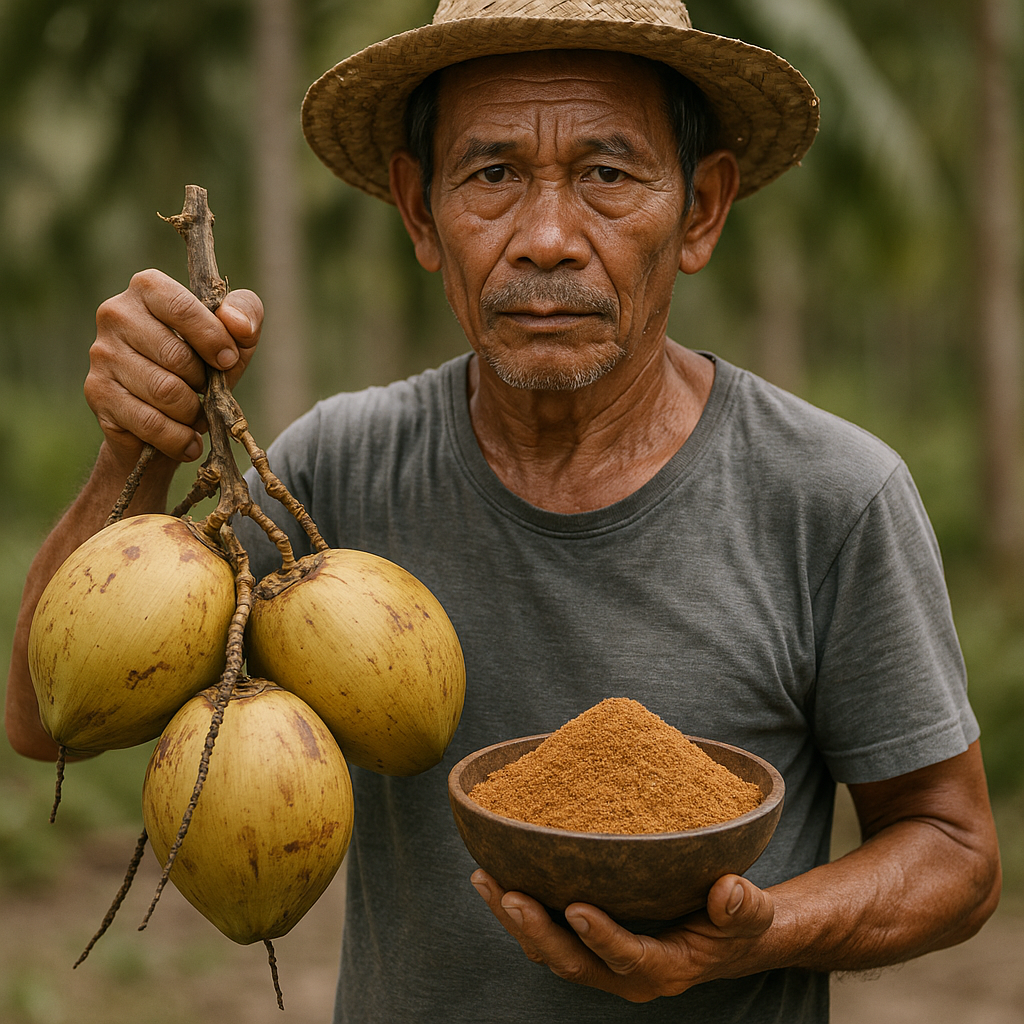
Harvesting coconut sap isn’t like picking fruit—it’s a race against time. Each flower spathe must be tapped at dawn, collected before noon, or it ferments. Climbing 30-foot trees multiple times a day is normal. One farmer might tap 40 trees daily, balancing on bamboo ladders in 90-degree heat. And no, there’s no overtime. This is the raw reality behind every jar on the shelf, where even batch-to-batch flavor variation tells a story of working conditions and technique.
How a few extra cents really change things
A 10-cent premium per kilo might not sound like much—until it stretches a family’s meals an extra week. That small bump means kids stay in school instead of working. It covers a tarp for the rainy season or a first aid kit. It’s not luxury—it’s dignity, and it starts with what gets chosen at the checkout.
That extra money doesn’t vanish into some corporate void. It goes straight to farmer co-ops—real people who could be visited in the groves. Premiums fund clean water projects, not boardroom bonuses. One group in the Philippines used their share to buy a communal truck—no more spoiled sap from delayed trips. Another built a drying shed, cutting post-harvest loss in half. These aren’t handouts. They’re investments—because when farmers win, the sugar tastes better for everyone. None of this is just a label. It’s a lifeline, and understanding Fair Trade and Direct Trade in Coconut Sugar helps buyers make that choice count.
Let’s be honest, the system isn’t perfect
Both models promise better pay and conditions, but reality often falls short. The labels feel good at checkout—yet behind the scenes, broken promises and middlemen still eat into farmer profits. The truth? Even with good intentions, the system doesn’t always deliver what it advertises.
The massive headache of getting certified
Jumping through hoops for certification isn’t easy. Paperwork, audits, fees—sometimes thousands just to apply. Small farmers, especially in remote areas, often can’t afford the time or money. And after all that, approval isn’t even guaranteed.
What big brands aren’t telling us
They slap “Fair Trade” on the bag like it means everything’s fixed. But that label doesn’t always mean farmers see the full premium. Some brands pocket the price difference or use only a fraction of certified sugar in their products—yet market the whole thing as ethical. More gets paid… but is more really given?
How much of that premium actually reaches the hands that tapped the palm trees? A lot of big names source less than 30% certified coconut sugar and still label boldly. Transparency is spotty, and third-party verification is often optional. The label can end up being more about branding than real impact. The assumption is help—but the truth might be less comforting. Fairness shouldn’t come with fine print, especially when detecting cane sugar addition requires costly lab testing farmers can’t afford.
So, which one should you actually buy?
Standing in the sweetener aisle, staring at two coconut sugar bags—one Fair Trade certified, the other boasting Direct Trade—it’s worth remembering these aren’t just labels. They reflect real differences in how farmers get paid. Neither system is perfect, but a purchase shapes what kind of supply chain gets reinforced. Think beyond the seal and ask who actually benefits.

How to spot the brands that really care
Transparency isn’t just a buzzword—it’s a trail that can be followed. Look for brands that name their farms, show photos of producers, or publish payout breakdowns. Both models can be legit, but only if the details are out in the open. If a company hides behind vague claims like “ethically sourced,” that’s a red flag. The same scrutiny applied to Fair Trade and Direct Trade in Coconut Sugar should extend to understanding quality testing for contamination.
My take on making a better choice at the store
A bag grabbed last week was labeled Direct Trade—no third-party logo, just a farmer’s name and a QR code linking to a video interview. That kind of direct connection is what shifts power. Both approaches aim to do right by farmers, but real impact comes from traceability, not just certification.
Here’s the truth—certifications cost money, and small farms often can’t afford the paperwork. A Direct Trade brand might skip the fee but still pay fairly through long-term relationships. None of this makes certifications useless—both have their place—but proof beats promises every time. Show the farmer. Show the money. That’s when trust gets earned. None of it matters unless the farmer sees the benefit—and that’s on the brand to prove, not the shopper to guess. Even questions like whether palm sugar and coconut sugar are the same matter less than knowing whose hands harvested it.
The Question Worth Asking at Checkout
More labels than ever claim to support farmers—but how much actually reaches them? The structures behind Fair Trade and Direct Trade in Coconut Sugar differ sharply, and premiums aren’t always transparent. The extra dollar gets assumed to help, yet in many cases, middlemen absorb the margin. These labels may promise fairness, but without traceability, what’s being bought is often just a story. And that story rarely includes the farmer’s real income. Accountability matters here—not just good intentions. When shoppers demand proof, supply chains shift. The question isn’t which label to trust—it’s which brands can show their work. That’s where Fair Trade and Direct Trade in Coconut Sugar stop being buzzwords and start being change.