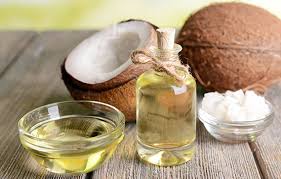
For food manufacturers, the quality of coconut oil depends on much more than its origin. The condition of the raw material, extraction method, refining stages, and quality controls can all influence the final ingredient. Understanding this journey helps buyers interpret specifications and choose an oil that fits their formulation.
RBD Coconut Oil goes through a controlled refining process designed to reduce unwanted components and create more consistent characteristics. The result is a refined ingredient that can serve a wide range of food manufacturing applications where predictable color, odor, purity, and quality matter.
This article explains how coconut oil moves from the crude stage to a refined food ingredient and what manufacturers should evaluate along the way.
From Coconut Kernel to Crude Coconut Oil
Coconut oil starts with the coconut kernel, the edible inner portion of the coconut fruit. The kernel contains a substantial amount of oil, along with moisture, proteins, carbohydrates, pigments, and other non-oil components.
According to the Codex Standard for Named Vegetable Oils, coconut oil comes from the kernel of Cocos nucifera L.
Before refining, the extracted oil contains components that manufacturers may want to reduce or remove depending on the intended application.
Preparing the Coconut Raw Material
Raw-material handling matters from the beginning of the process.
Manufacturers need to control factors such as:
- Coconut maturity and quality
- Cleanliness of the raw material
- Moisture conditions
- Storage and handling time
- Protection from contamination
Good raw-material management provides a stronger foundation for consistent oil quality.
Extracting the Oil
The production process separates oil from the coconut kernel. Depending on the production system, manufacturers can use different extraction approaches.
The resulting crude oil retains more of the components naturally present in the raw material. Consequently, it may have characteristics that differ substantially from the final refined product.
This crude material then enters refining processes that target specific quality attributes.
RBD Coconut Oil: Understanding the Refining Journey
The term RBD refers to Refined, Bleached, and Deodorized. These stages work together to produce an oil with more controlled characteristics.
The exact processing sequence and operating conditions can vary between facilities. However, each stage has a distinct purpose.
Refining
The initial refining stages help reduce undesirable substances that can affect the oil’s quality, stability, appearance, or sensory characteristics.
Depending on the process, refining may address components such as free fatty acids, phospholipids, pigments, moisture, and other impurities.
The objective is not simply to change the oil’s appearance. Instead, manufacturers aim to produce a more consistent ingredient that meets defined technical specifications.
Bleaching
Bleaching focuses particularly on pigments and other compounds that contribute to color.
Manufacturers use suitable adsorbent materials under controlled conditions to reduce these color bodies. As a result, the finished oil can achieve a lighter and more consistent appearance.
However, color alone does not determine purity.
A buyer should still evaluate parameters such as FFA, peroxide value, moisture, impurities, and sensory characteristics.
Deodorization
Deodorization focuses on volatile compounds that contribute to unwanted odor and flavor.
This stage can become especially important for food manufacturers that want the coconut oil to have a relatively neutral sensory profile.
The process must remain controlled because the objective is to achieve the required specification without unnecessarily affecting other desired characteristics.
What Happens to Quality During Refining?
Refining changes several measurable characteristics of coconut oil.
Manufacturers can monitor these changes through laboratory analysis and quality-control procedures.
Color
The refining and bleaching stages can reduce color-contributing compounds.
For applications that require a light-colored ingredient, buyers may specify Lovibond color values rather than relying on visual descriptions.
Our guide to how processing affects coconut oil color and stability explains why processing and storage conditions both matter when evaluating refined coconut oil.
Free Fatty Acids
Free fatty acids provide another important quality indicator.
Processing can reduce FFA to meet the specification required for the finished oil. Manufacturers then monitor the result through analytical testing.
Low and controlled FFA can support consistent raw-material quality, but it should not serve as the only indicator of product suitability.
Odor and Flavor
Deodorization can reduce volatile compounds that contribute to unwanted sensory characteristics.
This helps manufacturers obtain a more predictable ingredient for formulations where strong coconut notes may not be desirable.
Moisture and Impurities
Moisture and insoluble impurities also form part of a broader quality assessment.
Effective process control helps manufacturers meet defined limits and maintain consistency between batches.
How Refining Differs From Simply Filtering Coconut Oil
It is useful to distinguish refining from basic filtration.
Filtration primarily separates suspended particles from a liquid. Refining involves a broader set of processes designed to alter or remove specific components that influence the oil’s quality, appearance, stability, or sensory properties.
Therefore, a refined coconut oil should not be evaluated simply by whether it looks clear.
A complete assessment requires analytical data that corresponds to the intended application.
For food manufacturers, this distinction matters because an ingredient specification should describe measurable properties rather than relying on visual appearance alone.
Quality Control From Production to Finished Oil
Producing consistent refined coconut oil requires quality control throughout the process.
Manufacturers can monitor both incoming materials and finished-product parameters.
Raw-Material Controls
Before processing, quality teams can assess the condition and suitability of the raw material.
This reduces the risk of starting with material that already presents significant quality challenges.
In-Process Monitoring
Process conditions need appropriate control during refining, bleaching, and deodorization.
Monitoring helps manufacturers identify deviations before they affect a larger production volume.
Finished-Product Testing
The finished oil can undergo analytical testing against the agreed specification.
Depending on the application, manufacturers may evaluate:
- FFA
- Lovibond color
- Peroxide value
- Moisture
- Insoluble impurities
- Odor and flavor
- Fatty acid composition
- Other application-specific parameters
This information gives buyers a more complete picture of the finished ingredient.
How Food Manufacturers Should Evaluate Refined Coconut Oil
A food manufacturer should start with the final application rather than choosing specifications in isolation.
For example, a manufacturer producing a light-colored confectionery product may place greater emphasis on color and sensory characteristics. Another manufacturer may focus more heavily on melting behavior, composition, or oxidative quality.
Define the Application
Before contacting suppliers, identify:
- Where the coconut oil will be used
- How it will be processed
- Required sensory characteristics
- Storage conditions
- Target shelf life
- Applicable regulatory requirements
This information helps determine which specifications deserve the most attention.
Review Technical Documentation
A supplier should provide clear information about the product.
Useful documentation can include:
- Product specification sheet
- Certificate of Analysis
- Relevant certifications
- Packaging details
- Storage recommendations
- Traceability information
The buyer can then compare actual analytical results with the agreed requirements.
Evaluate a Sample
Where practical, manufacturers should test a sample before moving to larger-volume procurement.
Laboratory analysis can confirm key parameters, while application testing can show how the ingredient behaves within the manufacturer’s actual process.
Standards and Specifications for Coconut Oil
International standards provide a useful reference when establishing product specifications.
The Codex Alimentarius Commission lists CXS 210-1999, Standard for Named Vegetable Oils, among its standards for fats and oils. The standard includes coconut oil and provides compositional and quality provisions for named vegetable oils.
However, manufacturers should not assume that one international standard covers every commercial requirement.
Destination-market regulations, food category requirements, customer specifications, and internal quality systems can introduce additional requirements.
Therefore, buyers should identify all applicable requirements before finalizing a raw-material specification.
From Refining Plant to Food Manufacturing
The production journey does not end when the oil leaves the processing line.
Storage, packaging, transportation, and handling can influence the condition of the finished product.
Manufacturers and suppliers should therefore maintain appropriate conditions throughout the supply chain.
For buyers, useful questions include:
- How is the oil packaged?
- What storage conditions does the supplier recommend?
- How does the supplier identify batches?
- What documentation accompanies each shipment?
- How does the supplier monitor product consistency?
These questions help connect production quality with supply-chain management.
For businesses sourcing refined coconut oil from Indonesia, OilCocos supplies RBD coconut oil for food, nutrition, and industrial applications. Buyers can discuss their application and technical requirements before evaluating a sample or establishing a product specification.
Frequently Asked Questions
What does RBD mean in coconut oil?
RBD means Refined, Bleached, and Deodorized. These processing stages help control characteristics such as color, odor, free fatty acids, and other components of the finished oil.
How is coconut oil refined?
Refining involves controlled processing stages that reduce or remove unwanted components. Bleaching helps reduce color bodies, while deodorization focuses on volatile compounds that contribute to odor and flavor.
Is RBD coconut oil suitable for food manufacturing?
Yes, refined coconut oil can serve as a food ingredient when its specifications, processing, and regulatory compliance meet the requirements of the intended application.
What quality parameters should buyers check?
Common parameters include FFA, Lovibond color, peroxide value, moisture, impurities, odor, flavor, and fatty acid composition. The exact specification should reflect the intended application.
Why does the refining process matter to food manufacturers?
Refining helps produce a more controlled and consistent ingredient. This can make it easier for manufacturers to manage formulation, sensory characteristics, quality control, and batch-to-batch variation.
Conclusion
Understanding how RBD Coconut Oil moves from coconut kernel to a refined food ingredient gives manufacturers a clearer view of what happens behind the product specification. Raw-material quality, extraction, refining, bleaching, deodorization, testing, storage, and transportation all contribute to the final ingredient.
For buyers, the most practical approach is to define the requirements of the finished product first and then evaluate the coconut oil against measurable specifications. Reviewing technical documentation and testing samples can further reduce uncertainty before larger-volume sourcing.
If you are evaluating RBD Coconut Oil for food manufacturing, discussing your application, quality requirements, and documentation needs with a qualified supplier can help establish a specification that fits your production process.