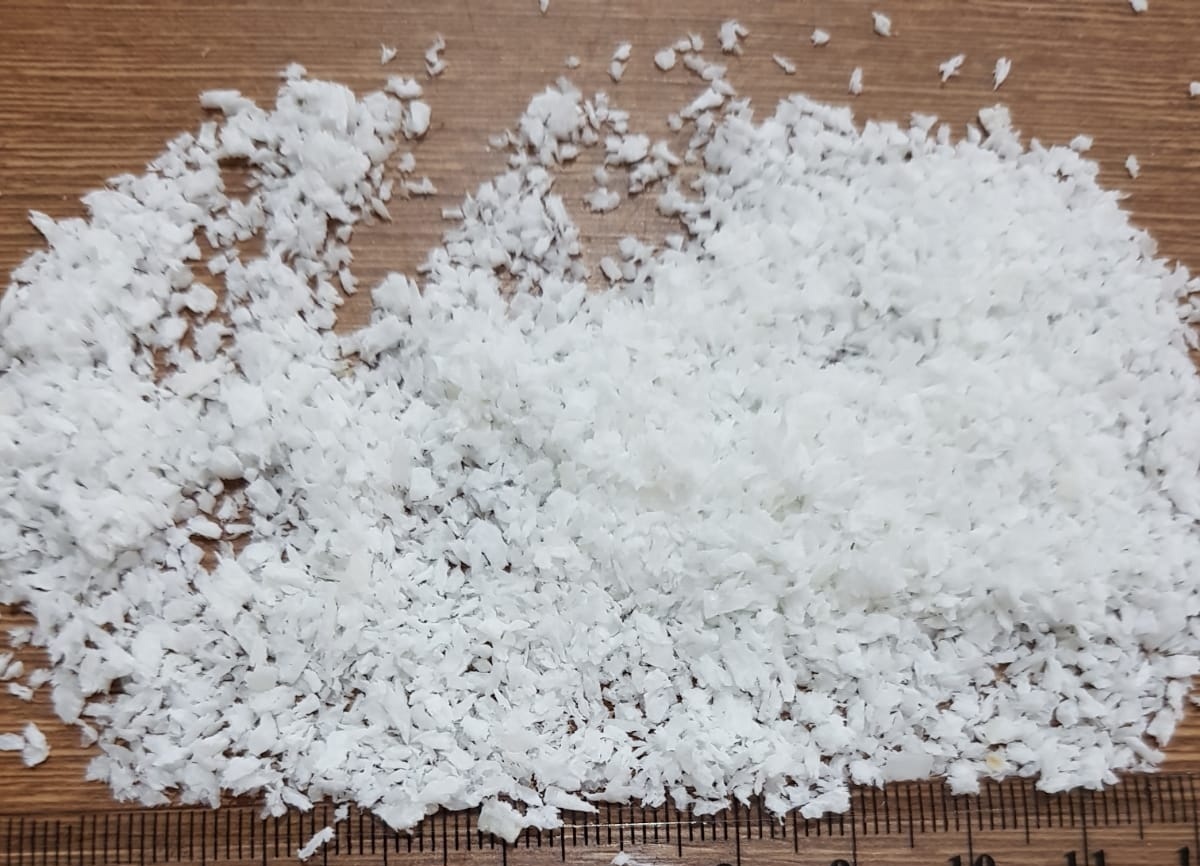
Buying desiccated coconut for commercial food production requires more than choosing the right particle size or coconut origin. Manufacturers also need consistent moisture, oil content, color, flavor, microbiological quality, and physical cleanliness. Even small variations can affect processing, shelf stability, texture, and the consistency of the finished product.
For food manufacturers, understanding the key Desiccated Coconut quality factors makes supplier evaluation more practical. Instead of relying only on product descriptions, buyers can use measurable specifications, batch documentation, and quality controls to determine whether a coconut ingredient fits their production requirements.
What Is Desiccated Coconut?
Desiccated coconut is produced from the edible kernel of mature coconuts. Manufacturers remove the outer portions of the coconut, process the kernel, reduce its moisture, and prepare it into different particle sizes according to the intended application.
The drying process plays a particularly important role. Manufacturers need to remove sufficient moisture while maintaining the desired appearance, flavor, and physical characteristics of the coconut.
The final product can appear as fine, medium, or coarse particles, depending on how the manufacturer processes and grades it. These different forms can serve different food applications.
For manufacturers, however, particle size represents only one part of product quality. A suitable ingredient should also meet the agreed chemical, physical, sensory, and food safety specifications.
Desiccated Coconut: Key Quality Factors Manufacturers Should Check
Food manufacturers should evaluate several parameters before approving a supplier. The exact limits depend on the product specification, application, and applicable regulations.
Moisture Content
Moisture is one of the most important quality parameters for dried coconut.
Excess moisture can affect storage stability and may increase the risk of quality deterioration. On the other hand, excessive drying can influence texture, color, and other product characteristics.
The Codex Standard for Desiccated Coconut (CXS 177-1991) specifies a maximum moisture level of 4% by mass for products covered by the standard. Manufacturers should still establish specifications appropriate to their particular product and regulatory requirements. See the Codex Standard for Desiccated Coconut.
When purchasing in bulk, buyers should review both the agreed moisture specification and the actual batch result on the Certificate of Analysis (COA).
Oil Content
Coconut naturally contains a significant amount of fat, so oil content forms an important part of desiccated coconut specifications.
Different product types can have different oil content requirements. Codex CXS 177-1991, for example, specifies different minimum oil content levels according to the product categories covered by the standard.
For manufacturers, oil content can influence mouthfeel, flavor, texture, and how the ingredient behaves during processing.
Therefore, buyers should specify the required oil range according to the finished food application rather than assuming that every desiccated coconut product has the same composition.
Color and Appearance
Color provides an immediate indication of product consistency.
Manufacturers often look for coconut with a clean and characteristic appearance that matches the agreed product specification. Significant variation between batches can create visual differences in the finished food.
Buyers should define acceptable color characteristics during supplier approval and then monitor incoming batches against those requirements.
Appearance checks should also cover:
- Particle uniformity
- Excessively dark particles
- Burnt or discolored material
- Clumping
- Visible foreign material
- Excessive fines where not required
- Overall cleanliness
A consistent appearance supports both quality control and finished-product presentation.
Flavor and Odor
Desiccated coconut contributes its characteristic coconut flavor and aroma to many food products. Consequently, unusual odors or flavors can indicate a quality issue that deserves investigation.
Food manufacturers should assess samples for:
- Characteristic coconut aroma
- Clean taste
- Absence of rancid notes
- Absence of musty or abnormal odors
- Consistency between batches
Sensory evaluation works best when the manufacturer establishes a defined internal standard and applies it consistently during incoming inspection.
Particle Size and Physical Characteristics
Particle size directly affects how desiccated coconut behaves during manufacturing.
Fine coconut may disperse differently from medium or coarse particles. It can also affect texture, visual appearance, mixing behavior, and the final mouthfeel of products.
Fine desiccated coconut
Fine grades can suit applications where manufacturers want a more uniform distribution throughout a formulation. They may also work well when the ingredient needs to integrate closely with other components.
Medium desiccated coconut
Medium grades provide a balance between visible coconut texture and relatively easy incorporation. Manufacturers may use them across a variety of bakery and food formulations.
Coarse desiccated coconut
Coarser particles provide a more noticeable texture and visual presence. They can suit products where manufacturers want consumers to recognize the coconut pieces.
However, manufacturers should not select particle size solely from a catalog description. Sample testing can confirm whether the selected grade performs as expected on the production line.
Microbiological and Food Safety Quality
Chemical and physical specifications alone cannot establish the complete quality of a food ingredient.
Because desiccated coconut is a dried food ingredient, manufacturers should also evaluate microbiological safety and hygiene controls throughout processing, packaging, storage, and transportation.
Codex CXS 177-1991 refers to relevant hygiene practices and microbiological criteria for desiccated coconut. It also requires compliance with applicable Codex provisions concerning contaminants and pesticide residues.
Depending on the buyer’s food safety system, supplier documentation may include:
- Microbiological test results
- Food safety certifications
- Allergen information
- Pesticide residue information where applicable
- Contaminant testing
- Traceability documentation
- Production and hygiene controls
The specific requirements should match the manufacturer’s food safety plan and the regulations governing the destination market.
Foreign Matter and Cleanliness
Physical cleanliness deserves particular attention when purchasing coconut ingredients in bulk.
Foreign material can create a significant quality issue for food manufacturers and may trigger additional inspection, rejection, or investigation.
The Codex standard addresses foreign matter and extraneous vegetable material as part of its quality requirements.
A supplier specification should therefore clearly define acceptable limits and inspection procedures.
Incoming inspection can include visual checks for:
- Foreign particles
- Shell fragments
- Unusual plant material
- Excessive dark particles
- Packaging contamination
- Other visible defects
Strong process controls at the supplier’s facility can reduce the likelihood of these issues reaching the finished product.
How Processing Influences Desiccated Coconut Quality
Quality starts with the coconut itself, but processing determines many of the final characteristics.
Several stages require careful control.
Raw coconut selection
Mature, sound coconut kernels provide a more consistent starting material. Raw material condition can influence flavor, color, oil content, and overall quality.
Cutting and shredding
Manufacturers control cutting and shredding to achieve the desired particle size. Consistent equipment settings and screening help reduce excessive variation.
Drying
Drying reduces moisture to the required specification. Temperature, time, airflow, and process control can influence both moisture and sensory characteristics.
Over-processing can affect color and flavor, while insufficient drying can create moisture-related quality concerns.
Screening and grading
After drying, manufacturers can screen the product to separate different particle sizes and remove unsuitable material.
This step helps create a more consistent product for food manufacturers.
Packaging
Packaging protects the dried coconut from moisture, contamination, and environmental exposure during storage and transportation.
For bulk buyers, packaging specifications should therefore form part of supplier qualification rather than remain an afterthought.
How Food Manufacturers Should Evaluate a Supplier
A supplier should demonstrate more than the ability to deliver coconut products. Manufacturers need evidence of consistent quality and reliable process control.
Before approving a supplier, request:
- Product specification sheet
- Recent Certificate of Analysis
- Microbiological test results where applicable
- Particle size specification
- Moisture and oil content data
- Sensory specifications
- Food safety certifications
- Traceability information
- Packaging details
- Storage and transportation recommendations
It is also useful to test a representative sample under actual production conditions.
For example, a bakery manufacturer may evaluate hydration, mixing behavior, texture, color, and final product appearance. A confectionery producer may focus more heavily on particle size, flavor, moisture, and visual consistency.
The right supplier specification should therefore reflect the manufacturer’s actual production process.
Why Batch Consistency Matters
A single sample can meet every requirement and still fail to demonstrate long-term supplier consistency.
Manufacturers should compare COAs across multiple batches whenever possible. Look for stable results rather than simply checking whether each individual batch falls inside the specification.
Consistent batches can make production planning easier and reduce the need for frequent formulation adjustments.
For larger-volume buyers, it can also help to establish an agreed specification, sampling procedure, and corrective-action process before regular shipments begin.
Sourcing Desiccated Coconut From Indonesia
Indonesia has a significant coconut production base, making it an important sourcing location for coconut-derived ingredients.
For international buyers, however, origin alone does not determine suitability. Manufacturers should evaluate the supplier’s processing controls, documentation, specifications, packaging, traceability, and ability to maintain consistent quality.
For businesses looking for an Indonesian source, explore OilCocos as a desiccated coconut supplier from Indonesia and review the product information according to your application requirements.
Food manufacturers can also learn more about OilCocos and its range of coconut-derived ingredients.
Common Mistakes When Buying Desiccated Coconut
Several mistakes can make procurement more difficult.
Choosing only by particle size
Particle size matters, but it does not describe moisture, oil content, microbiological quality, or sensory characteristics.
Ignoring moisture specifications
Moisture directly relates to the quality and storage characteristics of a dried ingredient. Always establish a clear specification.
Relying only on a supplier brochure
Marketing information cannot replace technical specifications and batch-level analytical data.
Skipping application testing
A product can meet laboratory specifications but still behave differently from your existing ingredient during production. Sample testing helps identify these differences before full-scale purchasing.
Comparing suppliers without a common specification
Supplier comparison becomes difficult when each supplier provides different parameters. Create a standard purchasing specification first, then compare products against the same criteria.
FAQ About Desiccated Coconut Quality
What is the most important quality parameter for desiccated coconut?
Moisture is one of the most important parameters, but manufacturers should also evaluate oil content, particle size, color, flavor, microbiological quality, and foreign matter.
What moisture level should desiccated coconut have?
Codex CXS 177-1991 specifies a maximum moisture level of 4% by mass for products covered by the standard. Individual purchasing specifications may vary according to application and regulatory requirements.
Why does particle size matter?
Particle size affects texture, appearance, mixing behavior, and how the coconut performs in different food formulations.
What should manufacturers check on a desiccated coconut COA?
Review moisture, oil content, acidity where applicable, microbiological results, particle size, and other parameters included in the approved product specification.
How can manufacturers choose a reliable desiccated coconut supplier?
Evaluate technical specifications, multiple batch COAs, food safety documentation, traceability, processing controls, samples, packaging, and the supplier’s ability to maintain consistent quality.
Conclusion
For food manufacturers, Desiccated Coconut quality depends on several interconnected factors. Moisture, oil content, particle size, color, sensory characteristics, microbiological quality, cleanliness, processing, and packaging all contribute to the suitability of the ingredient.
The most effective approach is to define a clear purchasing specification before comparing suppliers. Then, use samples, COAs, food safety documentation, and batch history to verify that the ingredient consistently meets your requirements.
If you are sourcing desiccated coconut for bakery, confectionery, snacks, cereals, or other food applications, start by defining the technical characteristics your production process requires and discuss those specifications with a qualified supplier.