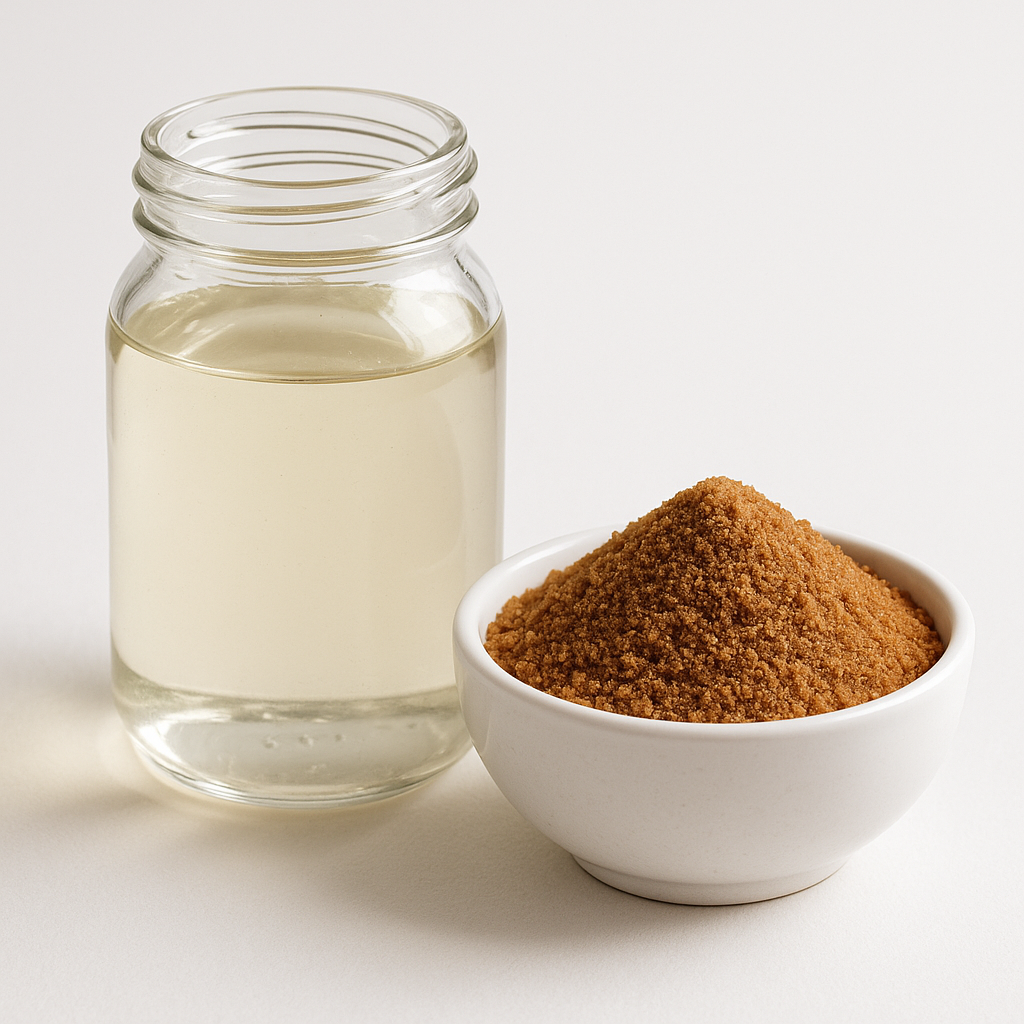
Manufacturers often expect refined coconut oil to look and perform consistently from one batch to another. Yet changes in raw materials, processing conditions, color, oxidation, or storage can affect the characteristics of the finished oil. Understanding where these changes come from helps buyers establish better specifications and evaluate suppliers more effectively.
RBD Coconut Oil undergoes several processing stages that influence its appearance, odor, purity, and stability. Refining, bleaching, and deodorization each serve a different purpose, while subsequent storage and handling can also affect the finished product.
For food, nutrition, cosmetic, and industrial manufacturers, understanding how processing influences color and stability provides a practical basis for selecting specifications that match the intended application.
RBD Coconut Oil: How Processing Influences Quality
RBD stands for Refined, Bleached, and Deodorized. The three terms describe key stages used to produce coconut oil with more controlled characteristics.
The purpose of refining goes beyond making the oil look lighter. Processing aims to reduce undesirable components and produce a more consistent ingredient for downstream applications.
Several factors influence the final characteristics of the oil:
- Condition of the coconut raw material
- Processing conditions
- Refining efficiency
- Bleaching performance
- Deodorization conditions
- Exposure to moisture and air
- Storage temperature and packaging
- Quality-control procedures
Because these factors interact, manufacturers need to control the entire production process rather than relying on one processing stage to determine quality.
Why Process Control Matters
Consistent processing helps reduce variation between production batches.
For buyers, this matters because a specification only provides value when the supplier can meet it repeatedly. A single laboratory result may demonstrate that one batch meets requirements, but consistent results across multiple batches provide stronger evidence of process control.
How Refining Affects Coconut Oil Color
Color represents one of the most visible characteristics of refined coconut oil.
Natural coconut oil contains compounds that can contribute to its appearance. The refining process helps reduce substances that may create unwanted color and produces a more controlled visual profile.
The Role of Refining
Refining removes or reduces various undesirable components from the crude oil.
The effectiveness of this stage depends on factors such as raw-material quality and process conditions. Proper control helps prepare the oil for subsequent processing stages.
However, visual inspection alone cannot determine whether the oil meets a technical specification. Manufacturers should use analytical measurements when they need objective color data.
The Role of Bleaching
Bleaching plays a particularly important role in color reduction.
During this stage, appropriate bleaching materials can adsorb pigments and other compounds that contribute to color. The process can therefore produce a lighter and more uniform oil.
However, a lighter appearance does not automatically mean that the oil has superior overall quality. Buyers should evaluate color together with FFA, peroxide value, moisture, impurities, and other relevant parameters.
For a detailed explanation of color measurement, see our guide to RBD coconut oil quality factors for food manufacturers.
Understanding Lovibond Color Measurement
Manufacturers need a consistent method when they specify oil color. Visual descriptions such as “light” or “very light” leave too much room for interpretation.
Lovibond color measurement provides a numerical approach for evaluating the color of oils.
Red and Yellow Values
Oil color measurements commonly use red and yellow values under specified testing conditions.
These measurements allow quality teams to compare batches against an established specification.
A buyer should not compare numbers without checking the testing conditions, however. Path length, instrument configuration, and analytical procedures can influence the reported result.
Therefore, a good technical specification should identify the relevant test method and measurement conditions.
Why Color Consistency Matters
Color consistency can matter considerably when coconut oil becomes part of a finished food product.
For example, manufacturers may want to minimize the influence of the oil’s color on:
- Bakery products
- Confectionery
- Fillings
- Cream-based formulations
- Nutritional products
- Other light-colored food products
The appropriate color range depends on the application. Consequently, buyers should establish requirements according to the finished product rather than choosing an arbitrary color target.
How Processing Influences Oil Stability
Color represents only one aspect of refined coconut oil quality. Stability also deserves attention, particularly when manufacturers store the oil before processing or incorporate it into products with defined shelf-life requirements.
Oxidative Stability
Oils can undergo oxidation when they interact with oxygen and other environmental factors. Temperature, light, storage conditions, and the composition of the oil can influence oxidative processes.
Peroxide value provides information about primary oxidation products and therefore serves as an important analytical parameter when evaluating oil quality.
Manufacturers should establish suitable limits according to their product specifications and applicable requirements.
Hydrolytic Changes
Hydrolysis represents a different type of quality change.
When triglycerides undergo hydrolysis, free fatty acids can form. Moisture and other factors can contribute to this process.
Consequently, FFA provides useful information about the condition of the oil, but manufacturers should not treat FFA and oxidation as the same phenomenon.
A comprehensive quality program evaluates both where relevant.
How Deodorization Affects the Finished Oil
Deodorization focuses primarily on volatile compounds that can contribute to undesirable odor and flavor.
This stage becomes particularly important when manufacturers need a relatively neutral sensory profile from their coconut oil.
Controlling Odor and Flavor
Food formulations can react differently to strong or unexpected sensory characteristics in their raw materials.
A controlled deodorization process can help produce a more consistent sensory profile. Nevertheless, the final specification should still include appropriate sensory requirements where the application demands them.
Balancing Processing and Quality
More processing does not automatically mean better quality.
Manufacturers need to control processing conditions according to the desired specification. Excessive or poorly controlled processing can create its own challenges.
The objective should therefore remain clear: produce an oil that meets the required quality parameters consistently and remains suitable for its intended application.
Factors That Can Affect Stability After Processing
Processing does not end the quality-control process. Storage and handling can also influence the condition of refined coconut oil.
Temperature
Temperature affects the physical behavior of coconut oil and can influence storage and handling requirements.
Manufacturers should follow appropriate storage recommendations and maintain conditions that support product consistency.
Moisture
Moisture exposure can contribute to hydrolytic changes and therefore deserves attention during storage and handling.
Suitable packaging and controlled storage practices can help limit unnecessary exposure.
Air and Light
Exposure to air and light can contribute to changes in oils over time. Appropriate packaging and storage conditions can therefore help maintain the desired product characteristics.
Storage Duration
Long storage periods increase the importance of proper inventory management.
Manufacturers should monitor stock rotation and follow the supplier’s recommended storage conditions rather than treating storage as an afterthought.
How Buyers Can Evaluate Processing Quality
Buyers do not need to inspect every processing step personally to assess a supplier’s quality system. Instead, they can request documentation and analytical information that demonstrates process control.
A practical evaluation can include:
- Product specification
- Certificate of Analysis
- Lovibond color results
- FFA results
- Peroxide value
- Moisture and impurity limits
- Sensory specifications
- Relevant certifications
- Storage recommendations
- Batch identification and traceability
Compare Multiple Batches
Where possible, reviewing results from multiple batches provides more useful information than examining one COA.
Look for consistency in key parameters rather than focusing on a single unusually good result.
Request a Product Sample
A sample can allow the technical team to evaluate the oil under actual or representative manufacturing conditions.
This can be particularly useful when color, odor, melting behavior, or processing performance matters to the finished product.
Relevant Quality Standards and Specifications
Quality requirements depend on the intended use and destination market.
For edible vegetable oils, the Codex Standard for Named Vegetable Oils provides internationally recognized provisions for coconut oil and other named vegetable oils.
However, manufacturers should also verify the regulations that apply to their specific market, product category, and manufacturing process.
A supplier specification should complement these requirements by defining measurable parameters that both parties understand.
Choosing a Supplier for Consistent Refined Coconut Oil
A reliable supply relationship depends on more than the product description.
Manufacturers should look for clear technical documentation, defined specifications, appropriate quality controls, and transparent communication.
For businesses sourcing coconut oil from Indonesia, OilCocos supplies RBD coconut oil for food, nutrition, and industrial applications. Buyers can discuss their intended application and technical requirements before evaluating a product sample or establishing a supply specification.
This approach allows procurement and technical teams to evaluate the oil according to measurable requirements rather than relying solely on appearance or general quality claims.
Frequently Asked Questions
How does processing affect coconut oil color?
Refining and bleaching can reduce pigments and other color-contributing components, resulting in a lighter and more controlled appearance. The final color depends on raw-material quality and processing conditions.
Does lighter coconut oil mean better quality?
Not necessarily. A lighter color can indicate effective color reduction, but it does not independently prove overall purity, stability, or suitability for a specific application.
What is Lovibond color used for in coconut oil?
Lovibond measurement provides a numerical way to assess oil color. Manufacturers can use the results to establish specifications and monitor batch-to-batch consistency.
What affects the stability of refined coconut oil?
Storage temperature, moisture exposure, air, light, handling, and the oil’s chemical characteristics can all influence stability. Proper processing and storage controls help maintain the required quality.
Which quality parameters should buyers check?
Important parameters can include Lovibond color, FFA, peroxide value, moisture, impurities, odor, flavor, and other application-specific characteristics. Buyers should evaluate them together rather than relying on one measurement.
Conclusion
Understanding how processing affects RBD Coconut Oil helps manufacturers make better sourcing and quality-control decisions. Refining, bleaching, and deodorization each contribute to the oil’s final characteristics, while storage and handling can influence its condition after production.
Color measurement provides an objective way to monitor appearance, while FFA and peroxide value offer additional information about oil condition. Together with appropriate specifications, documentation, and batch monitoring, these parameters give manufacturers a more complete basis for evaluating product quality.
If you are sourcing RBD Coconut Oil for food or other manufacturing applications, define your required specifications first and discuss them with the supplier. Reviewing samples, COAs, and relevant technical documentation can then help you establish a supply specification that fits your process.