
You have to recognizes the importance of addressing its potential microbial risks in desiccated coconut. They often associate this ingredient with delightful flavors, yet it can harbor pathogens like Salmonella and spoilage organisms such as yeast and mold. He understands that awareness and proper handling practices are crucial for ensuring food safety.
This post explores variation of microbial threats and offers insights into effective prevention strategies, empowering consumers to make informed choices when using desiccated coconut in their recipes.
Table of Contents
Overview of Desiccated Coconut

Your understanding of desiccated coconut begins with recognizing it as the dried meat of coconuts, prized for its rich flavor and versatility in culinary applications. This ingredient is commonly used in baking, confections, and as a topping for various dishes. However, it is vital to acknowledge the potential microbial risks associated with its production and handling, ensuring safety while enjoying its benefits.
- Production Process
For desiccated coconut to reach consumers, coconuts undergo a specific production process that begins with harvesting the mature fruit. After shelling, the coconut meat is grated and then dried to remove moisture. This drying process can vary, utilizing methods such as hot air drying or freeze-drying, aiming to preserve the coconut’s flavors and nutrients while reducing the risk of spoilage.
- Nutritional Profile
Before exploring the microbial risks, it is vital to examine the nutritional profile of desiccated coconut. This ingredient is rich in healthy fats, particularly medium-chain triglycerides, and provides dietary fiber, vitamins, and minerals such as manganese and copper, contributing to overall health.
Considering its high fat content primarily from healthy oils, desiccated coconut offers beneficial properties for energy and metabolism.
It contains a noteworthy level of dietary fiber, which supports digestive health, along with vital vitamins and minerals that play various roles in bodily functions. Despite its nutritional advantages, individuals should be aware of portion sizes, as its caloric density can impact overall dietary intake.
Microbial Contaminants
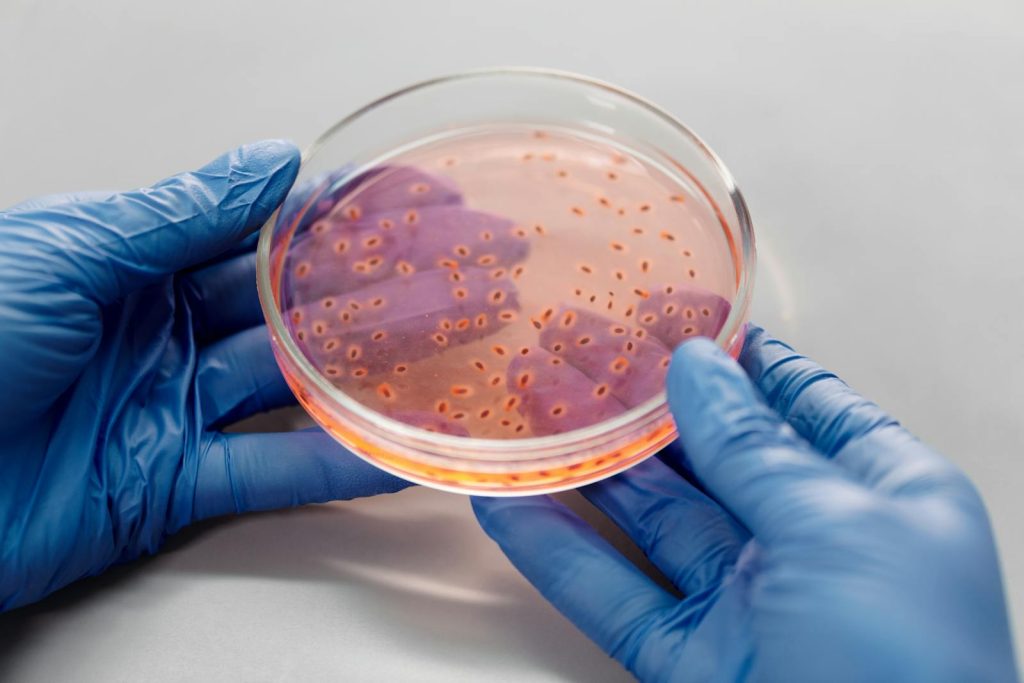
Clearly, microbial contaminants pose significant risks in desiccated coconut, affecting both food safety and quality. The presence of pathogens and spoilage organisms can compromise product integrity, leading to health issues for consumers. Proper handling, storage, and processing practices are vital for mitigating these risks, ensuring that desiccated coconut remains a safe and enjoyable food product.
- Salmonella: Risks and Sources
Sources of Salmonella in desiccated coconut typically include contamination during the harvesting process, processing facilities, and improper storage conditions. This bacterium can thrive in environments where hygiene standards are not met, leading to the potential for widespread outbreaks if consumed. Effective monitoring and compliance with safety regulations are important to minimize the risk of Salmonella contamination.
- Yeasts and Molds: Identification and Impact
Microbial yeasts and molds are commonly found in desiccated coconut, and their identification is vital for assessing the product’s quality. They can lead to spoilage, off-flavors, and even mycotoxin production, adversely affecting health. Understanding the conditions favoring their growth helps manufacturers implement effective control measures, thereby ensuring product safety.
Due to the favorable conditions for growth, yeasts and molds can thrive in desiccated coconut, especially if moisture levels are not adequately controlled. These microorganisms not only lead to quality deterioration but can also produce mycotoxins, which pose health risks if ingested. Effective sampling and testing methodologies are necessary to detect these contaminants early in the production process, allowing for corrective actions to ensure consumer safety and satisfaction.
Factors Influencing Microbial Growth
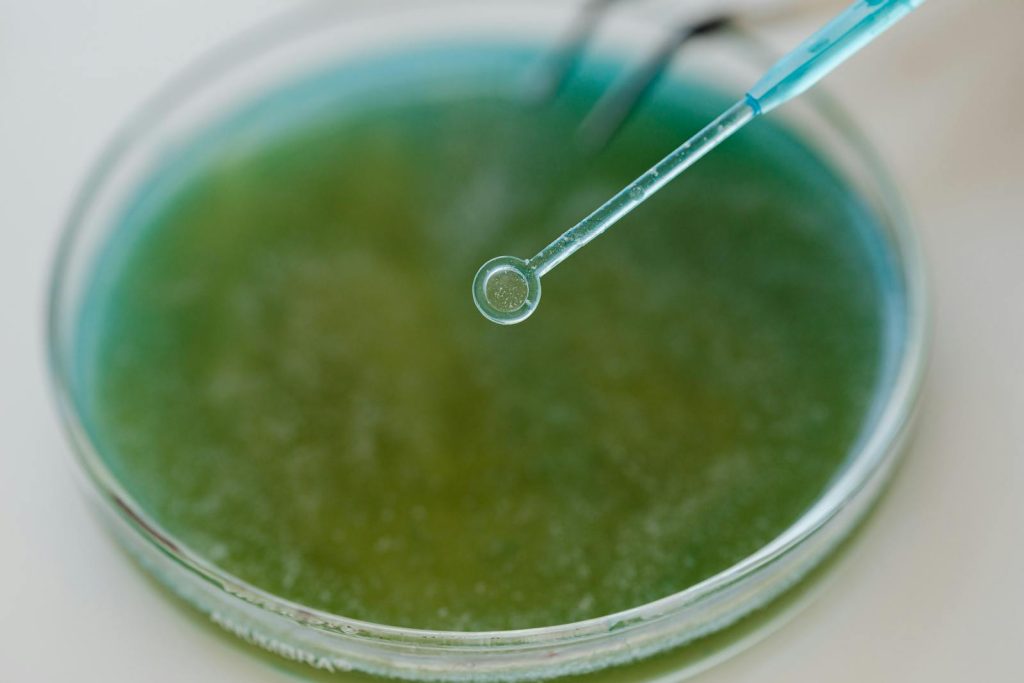
You may wonder about the factors affecting microbial growth in desiccated coconut. Significant elements include:
- Moisture content
- Storage conditions
- Temperature
- Oxygen availability
The interaction of these variables can significantly impact the microbial load present.
- Moisture Content
By maintaining a low moisture content, the risk of microbial proliferation is minimized in desiccated coconut. High moisture levels can create an environment conducive to the growth of pathogens such as Salmonella, along with yeast and mold.
- Storage Conditions
Storage conditions play a significant role in the preservation of desiccated coconut. Proper sealing, controlling temperature, and reducing exposure to light can inhibit microbial growth effectively.
The packaging used for desiccated coconut should be airtight and kept in a cool, dry place to further enhance shelf life. Keeping the product away from moisture and extreme temperature fluctuations is crucial in preventing spoilage and maintaining safety from microbial risks in desiccated coconut. Regular inspections of the storage environment can significantly reduce the chances of contamination.
Testing Methods for Microbial Contamination
To ensure the safety of desiccated coconut products, various testing methods for microbial contamination are employed. These methods aim to identify the presence of harmful microorganisms such as Salmonella, yeast, and mold, which can pose health risks.
The accuracy and reliability of these tests are vital in maintaining product quality and consumer safety, thereby supporting the industry’s commitment to high standards in food safety management.
- Standard Protocols
Between traditional and modern methodologies, standard protocols for testing microbial risks in desiccated coconut contamination involve sample collection, preparation, and analysis. Techniques such as plate count methods and PCR (Polymerase Chain Reaction) are commonly employed to detect specific pathogens. Regulatory bodies often establish these methods, ensuring consistency and reliability in results across laboratories and industries.
- Emerging Techniques
Emerging testing methods for microbial contamination focus on increasing sensitivity and speed in detection processes. These techniques often utilize advanced technologies, such as biosensors and next-generation sequencing, to enhance the ability to identify microbial pathogens rapidly and accurately.
Techniques such as CRISPR-based diagnostics and metagenomics are at the forefront of microbial risk in desiccated coconut testing. These innovative approaches allow for more comprehensive profiling of microbial communities present in desiccated coconut, enabling the detection of unexpected pathogens.
By leveraging these emerging technologies, researchers and food safety professionals enhance their ability to monitor and control microbial risks in desiccated coconut effectively, thus further safeguarding consumer health and enhancing the overall quality of coconut products.
Risk Mitigation Strategies
Not all desiccated coconut products are created equal; thus, implementing effective risk mitigation strategies is imperative for safety. These strategies include ensuring from reputable sources, adhering to safe handling practices, and maintaining optimal storage conditions. By prioritizing food safety, individuals and businesses can significantly reduce the microbial risks in desiccated coconut.
- Safe Handling Practices
For individuals handling desiccated coconut, maintaining cleanliness and practicing proper hygiene is paramount. This includes washing hands before and after handling, using clean utensils, and avoiding cross-contamination with raw foods. Adopting these practices helps safeguard against potential microbial contamination and ensures safe consumption.
- Proper Storage Solutions
Between cooking and consumption, proper storage can effectively inhibit microbial risks in desiccated coconut. It is necessary to store this product in an airtight container in a cool, dry place to prevent moisture absorption and spoilage. Additionally, refrigeration can further extend its shelf life and maintain quality.
Plus, consumers should be aware that prolonged exposure to heat and humidity can compromise the integrity of desiccated coconut. They are encouraged to check expiration dates, and visual quality, and discard any product showing signs of spoilage such as unusual odors, discoloration, or mold growth. By observing these storage practices, they can ensure the safety and quality of their desiccated coconut.
Regulatory Standards and Guidelines
Many countries have established regulatory standards and guidelines for desiccated coconut to mitigate microbial risks. These standards generally encompass acceptable limits for pathogens like Salmonella, as well as limits for yeast and mold. Regulatory bodies ensure that manufacturers adhere to stringent safety measures during production, processing, and handling to protect consumer health and maintain product integrity.
- Food Safety Authorities
One of the key players in ensuring food safety is the food safety authorities, which set the standards that producers must follow. These agencies conduct regular inspections, establish permissible levels for contaminants, and issue compliance guidelines to the industry. They also provide educational resources to enhance awareness about microbial risks in desiccated coconut.
- Compliance and Testing Requirements
Below are the various compliance and testing requirements imposed on desiccated coconut manufacturers. Testing for microbial contamination, especially for pathogens such as Salmonella, is often mandated before products reach the market. Regular audits and verifications also form part of the compliance framework to ensure ongoing adherence to safety standards.
Hence, compliance and testing requirements play an crucial role in ensuring that desiccated coconut products meet safety standards. Manufacturers are subject to periodic testing for various microbial agents, including routine assessments of yeast and mold levels. Additionally, they must maintain accurate records and adhere to reporting procedures, which contribute to transparency and accountability in the production process.
Conclusion
Considering all points, one can conclude that understanding microbial risks in desiccated coconut, such as Salmonella, yeast, and mold, is vital for ensuring food safety. They must recognize the significance of proper handling, storage, and processing techniques to mitigate these risks effectively.
By maintaining awareness of potential hazards, individuals and manufacturers can reduce the likelihood of contamination and safeguard public health. Continued research and education will further enhance efforts to combat microbial threats in this popular ingredient.