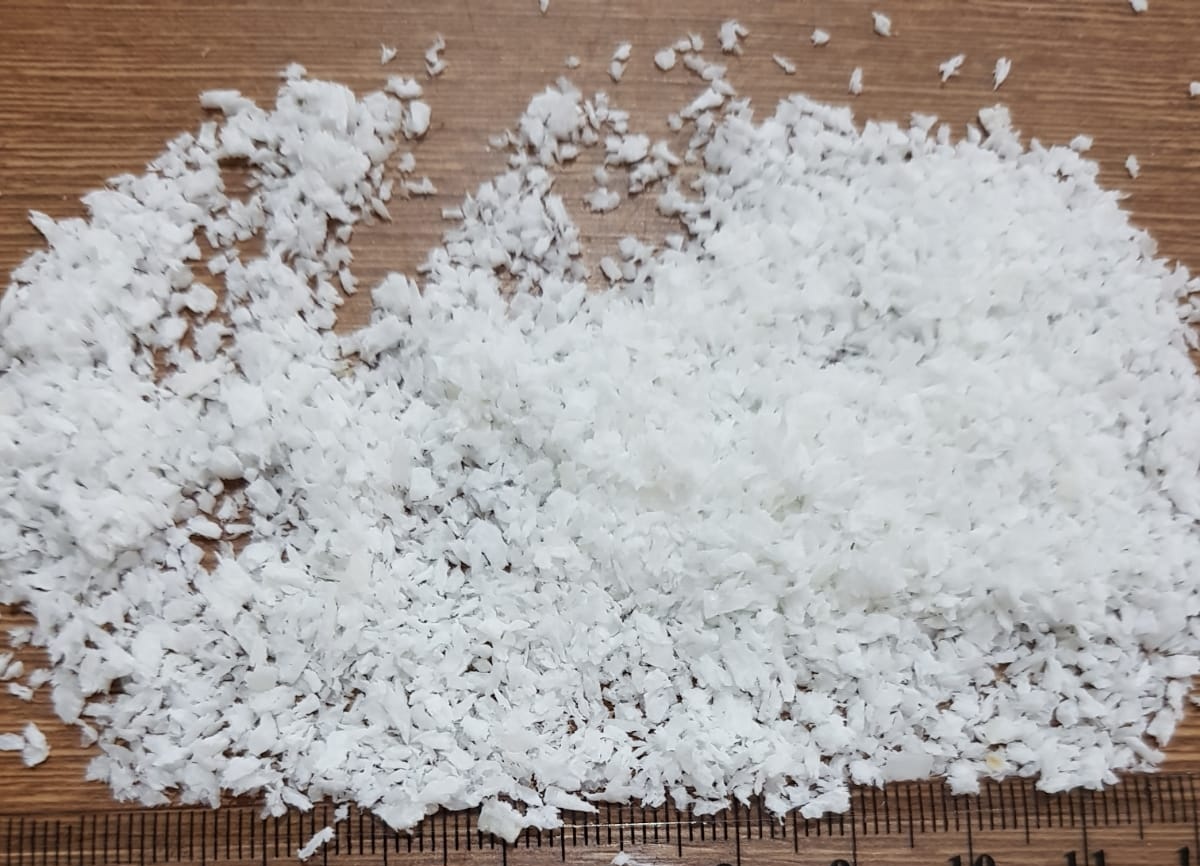
Choosing a desiccated coconut supplier involves more than comparing product descriptions or selecting the lowest-cost option. For importers, an unsuitable supplier can create problems with inconsistent particle sizes, moisture specifications, packaging quality, documentation, and delivery schedules. These issues may disrupt production and increase the risk of rejected shipments.
A reliable sourcing process helps buyers evaluate suppliers against clear technical and operational requirements before committing to bulk orders. However, importers should not judge supplier suitability based on one certificate or a single product sample. They need to assess product quality, food safety controls, export readiness, and supply consistency together.
This guide explains what importers should check when choosing a desiccated coconut supplier, from product specifications and quality documentation to packaging, logistics, and long-term supply arrangements.
1. Check Product Specifications Before Requesting a Quote
The first step is to define the ingredient your business actually needs. Desiccated coconut comes in different particle sizes and can vary in moisture content, fat content, color, and other characteristics. A supplier cannot provide a meaningful quotation or sample recommendation without understanding these requirements.
Confirm the required grade
Particle size affects texture, appearance, and ingredient distribution. Fine coconut may suit formulations that require small particles, while medium and coarse grades can provide more noticeable texture.
Before contacting suppliers, establish:
- Required grade and particle-size range
- Intended application, such as bakery, confectionery, or snacks
- Acceptable color and aroma
- Moisture content requirements
- Fat content or other compositional requirements
- Any customer-specific quality criteria
Grade names can vary between suppliers, so request measurable specifications instead of relying exclusively on labels such as fine, medium, or coarse.
Match specifications to the application
A grade that works well in one recipe may not perform equally well in another. For example, coconut used in a cake batter may require different particle characteristics from coconut intended for a decorative topping.
Explain the intended application when requesting samples. This allows the supplier to recommend a relevant product and helps your team assess the ingredient under realistic production conditions.
2. Evaluate Quality Control and Food Safety
Product specifications describe what you expect to receive, while quality control helps determine whether the supplier can meet those expectations consistently.
Importers should evaluate the supplier’s quality procedures, supporting documentation, and approach to managing nonconforming products.
Request relevant quality documents
Ask for a product specification sheet and, where applicable, a certificate of analysis (COA). A COA should identify the relevant batch and report the parameters tested.
Depending on the product and buyer requirements, useful information may include:
- Moisture content
- Fat content
- Appearance and sensory characteristics
- Microbiological test results
- Batch or lot identification
- Applicable food safety documentation
Check whether the reported results meet your purchasing specification. Also, confirm that the documents relate to the product you intend to order rather than a different grade or production batch.
Assess food safety controls
Ask how the supplier manages hygiene, contamination risks, traceability, and quality complaints. Depending on the destination market and customer requirements, relevant evidence may include food safety management certifications, audit documentation, or other supporting records.
Do not assume that a certification alone guarantees every shipment will meet your requirements. Instead, consider it alongside product-specific test results, traceability procedures, and your own supplier approval process.
Understand moisture requirements
Moisture content deserves particular attention because it can influence storage stability, texture, and the risk of quality deterioration. However, moisture content alone does not establish microbiological safety.
Review the supplier’s stated limits and analytical method before comparing products. For more detail, read the guide to desiccated coconut moisture content and why it matters.
3. Assess Samples Before Placing a Bulk Order
A sample allows importers to evaluate the ingredient directly instead of relying solely on written descriptions. This step is particularly important when the product will enter an established manufacturing process.
Inspect the sample systematically
Use a checklist that reflects your product specification. Assess:
- Appearance: Check whether the color matches the agreed requirements.
- Aroma: Look for a characteristic coconut aroma without unusual or rancid odors.
- Particle size: Confirm that the sample matches the required grade.
- Texture: Check for unexpected clumping or inconsistent particles.
- Documentation: Compare the sample information with the supplier’s specification.
Sensory checks can reveal obvious quality differences, but they cannot replace laboratory testing where technical or food safety requirements apply.
Conduct a production trial
Whenever practical, test the sample in the actual recipe. Observe how the coconut mixes, distributes, and performs during processing.
For bakery products, evaluate the finished texture and appearance. For confectionery, assess particle distribution, coating performance, or filling consistency as relevant.
Record the results and use the same acceptance criteria when evaluating alternative suppliers. This makes comparisons more objective and reduces the risk of selecting an ingredient that performs poorly at commercial scale.
4. Review Packaging, Shelf Life, and Storage Requirements
Even a suitable product can deteriorate if packaging or storage conditions do not protect it adequately. Importers should therefore assess the packaging system and the conditions expected throughout the supply chain.
Check packaging suitability
Ask the supplier about the available packaging formats, materials, liners, closure methods, and package sizes.
Confirm that the packaging:
- Provides suitable protection against moisture exposure
- Resists normal handling and transportation damage
- Meets applicable food-contact requirements
- Supports safe warehouse handling
- Maintains package integrity during the expected transit period
Packaging performance depends on the complete system, not simply the outer bag material.
Confirm shelf life and remaining validity
Request the documented shelf-life period, applicable date information, and recommended storage conditions. For imported products, also agree on the minimum remaining shelf life required when the shipment arrives.
Consider the entire timeline from production and packing through shipping, customs clearance, warehouse storage, and consumption. A product with an acceptable shelf life at dispatch may leave insufficient time for your operation if transportation takes longer than expected.
For additional guidance, consult the article on desiccated coconut packaging for bulk export orders.
5. Verify Export Capability and Shipping Arrangements
A supplier may offer a suitable product but still struggle to meet the requirements of an international transaction. Importers should verify export readiness before confirming a shipment.
Confirm shipping and documentation requirements
Discuss the destination country, shipment volume, delivery schedule, and agreed shipping terms. Confirm which party handles transportation, insurance, export clearance, and other responsibilities under the selected Incoterm.
Depending on the transaction and destination, documents may include:
- Commercial invoice
- Packing list
- Certificate of origin, where applicable
- Product specification and COA
- Relevant food safety or import documentation
- Transport documents
Requirements vary by destination and product classification. Importers should verify applicable rules with the relevant authorities and their customs broker rather than assuming the same documents apply to every country.
Evaluate packaging and shipment traceability
Ask how the supplier identifies batches and connects shipped products to their quality records. Consistent lot identification helps buyers investigate quality issues and manage stock after delivery.
Also, discuss container inspection, loading arrangements, and procedures for documenting damaged packaging. These details become especially important for long-distance shipments and recurring bulk orders.
6. Compare Suppliers for Long-Term Reliability
A supplier evaluation should consider more than product quality at one point in time. Importers need to know whether the supplier can maintain consistent specifications, communicate effectively, and support repeat orders.
Assess supply consistency
Ask how the supplier manages production planning, batch variation, and changes to product specifications. Clarify how the supplier will notify you if a change could affect your formulation or purchasing requirements.
For recurring orders, agree on measurable acceptance criteria and procedures for handling nonconforming shipments.
Evaluate communication and commercial terms
Before placing an order, clarify:
- Minimum order quantity and available packaging formats
- Lead times and order confirmation procedures
- Payment and shipping terms
- Sample approval and specification approval
- Complaint handling and corrective action procedures
- Arrangements for repeat orders
Documenting these details reduces misunderstandings between purchasing, quality assurance, and logistics teams.
If you are exploring Indonesian sources, visit the desiccated coconut supplier from Indonesia page to review OilCocos’ product offering. You can also explore OilCocos to learn more about its coconut-based ingredients.
Before proceeding, share your intended application, required grade, quality specifications, and shipment needs with the supplier. This provides a practical starting point for determining whether the product and supply arrangements fit your business.
Frequently Asked Questions
1. What should importers check when choosing a desiccated coconut supplier?
Check product specifications, quality documentation, food safety controls, sample performance, packaging, shelf life, export capability, and supply consistency.
2. What documents should a desiccated coconut supplier provide?
Depending on the transaction, request a product specification sheet, relevant COA, batch information, food safety documentation, and applicable export documents.
3. Should importers test a desiccated coconut sample before ordering?
Yes. Evaluate the sample against your specifications and, where practical, test it in the intended production process before approving a bulk order.
4. Why is moisture content important when sourcing desiccated coconut?
Moisture content can influence storage stability, texture, and quality deterioration. Buyers should confirm the agreed moisture limit and review other relevant quality and food safety parameters.
5. How can importers evaluate an Indonesian desiccated coconut supplier?
Review its product specifications, quality documentation, sample performance, packaging options, traceability procedures, and ability to meet the destination market’s import requirements.