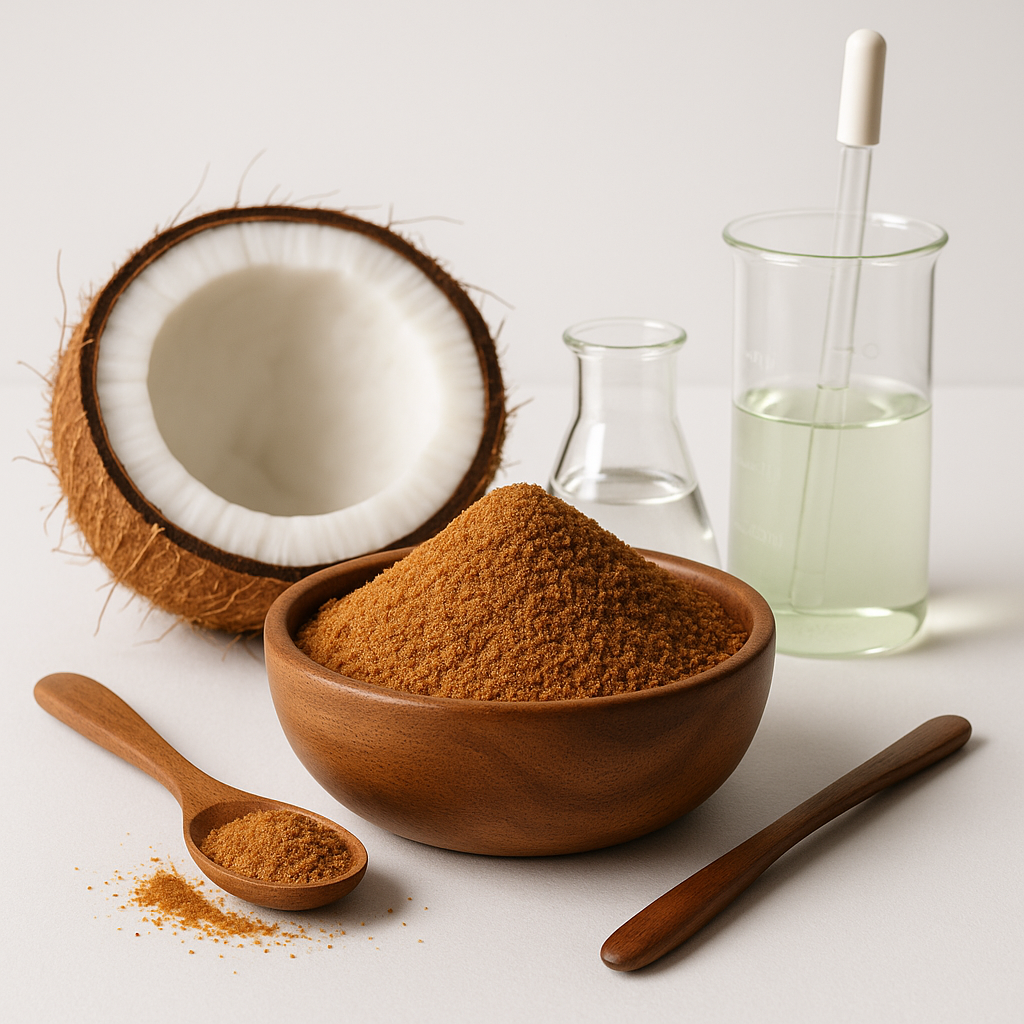
Lauric acid makes up a big chunk of what’s inside a jar of palm kernel oil – something anyone who’s worked with it in a formulation has probably noticed. It’s a popular feedstock because it’s accessible, cost-effective, and loaded with medium-chain fatty acids. But not all MCTs behave the same way, and using palm kernel oil as an MCT oil feedstock means understanding that the chemistry here starts with lauric acid dominating the profile, often 45-50%. That matters, because lauric acid – while technically a medium-chain fatty acid – behaves a bit differently than C8 or C10 during digestion and metabolism.
Refining this oil for MCT production isn’t just about extracting medium-chain fatty acids – it’s about managing a balance. The final specs depend heavily on how much lauric acid stays in or gets removed. Higher concentrations of caprylic (C8) and capric (C10) acids mean faster ketone production, but the natural profile leans toward C12. That makes fractionation essential – and costly.
Choosing this feedstock isn’t just picking a raw material – it’s shaping performance from the start. Every batch sets the baseline for what the end product can do. Aiming for premium MCT oils with rapid bioavailability means processing aggressively to shift the specs away from lauric dominance.
That’s the reality of working with palm kernel oil as an MCT oil feedstock – it’s a starting point, not a finish line.
So, what’s actually inside palm kernel oil?
Palm kernel oil gets called “nature’s MCT factory,” and that’s not far off. Crack open its composition and there’s a dense concentration of medium-chain fatty acids – the building blocks for high-performance MCT oil. That’s exactly why this oil keeps dominating industrial MCT production: it’s naturally stacked with the right materials.
The fatty acid breakdown you’ve gotta see
Pull up a chromatogram and nearly half the profile is lauric acid (C12), with solid chunks of caprylic (C8) and capric (C10) alongside it. Some myristic acid and lauric monoglycerides show up too, but the real story is in those medium chains. This precise mix is what makes palm kernel oil as an MCT oil feedstock so efficient – nature already did most of the work.
Why C12 is the real star of the show
C8 and C10 get most of the attention, but C12 is really running the show here. It makes up the largest share of the fatty acids, and while it’s metabolized a bit slower than the shorter chains, it still delivers fast energy along with notable antimicrobial properties. That dominance is exactly why this source remains unmatched for yield and functionality.
Think of C12 as the workhorse – not the flashiest component, but it gets the job done. It converts efficiently into monolaurin in the body, a compound with real bioactive value. From a production standpoint, its high concentration means refineries can extract more usable MCT per ton of raw material – more volume and more versatility at once. Whether the end use is sports nutrition, medical foods, or clean-label energy products, this feedstock delivers consistency because C12 brings stability. That’s not marketing – that’s just the chemistry.
How do we actually turn this stuff into MCT oil?
The process starts with palm kernel oil because it’s naturally rich in lauric acid – up to 50%. From there, it’s about isolating those medium-chain fatty acids through physical and chemical processing. The goal is turning a raw tropical oil into a clean, concentrated MCT oil suited for supplements and food applications.
Fractionation isn’t as complicated as it sounds
Fractionation separates fatty acids by melting point – simple in concept, effective in practice. The oil gets heated and then slowly cooled, letting the longer chains crystallize out. What remains is a liquid fraction richer in C8 and C10. Nothing magical about it – just smart use of physical properties when working with palm kernel oil as an MCT oil feedstock.
Stripping away the things we don’t want
Distillation removes unwanted compounds after fractionation – free fatty acids, odors, and pigments that don’t belong in a premium MCT oil. The starting material is fairly rough, and this step cleans it up quickly, making a noticeable difference in taste and clarity.
It’s a bit like refining spirits – what comes off the still is purer than what went in. High-temperature, high-vacuum distillation strips away impurities without damaging the MCTs themselves. This step is what makes the final product stable, odorless, and ready for formulation. Skip it, and the result smells like old coconut and oxidizes quickly – not something anyone wants on a shelf.
Why the chemistry really matters for your specs
More brands have started asking about MCT sourcing lately, and there’s a reason for that. The fatty acid profile of this feedstock directly shapes the final product’s performance, from clarity to ketone yield. Aiming for consistency while ignoring the underlying chemistry means gambling with specs.
Getting the C8 and C10 balance right
Distillation precision makes or breaks the functional edge of the final MCT. Palm kernel oil as an MCT oil feedstock naturally runs higher in C10, so tweaking the fractionation curve matters when targeting a C8-dominant blend. Fast energy without a lingering taste means dialing in that ratio carefully – it’s the difference between a clean-burning oil and one that drags.
What’s the deal with those leftover traces?
Even after refining, tiny amounts of C12 and longer chains can stick around. These remnants are usually minimal but not meaningless – they don’t boost ketogenesis, yet they can affect flavor and how the body responds. Worth keeping an eye on.
No distillation process is perfect. Even high-grade MCTs from this source might carry faint traces of lauric acid (C12) or myristic acid (C14). These aren’t contaminants – just holdovers from the source oil. But because they metabolize more like long-chain fats, their presence subtly shifts how the oil performs, especially for formulations targeting a fast ketone response. Real transparency in labeling starts with knowing what’s actually left in the bottle.
My take on the PKO vs. coconut debate
The back-and-forth between palm kernel oil and coconut oil as MCT sources comes up constantly. Both bring lauric-rich profiles to the table, but palm kernel oil as an MCT oil feedstock tends to offer more consistency in supply and composition. This isn’t a choice based on purity alone – it comes down to practicality, scalability, and chemistry together.
Is one actually better than the other?
Coconut oil does deliver slightly more medium-chain triglycerides naturally, but that alone doesn’t make it superior. Processing palm kernel oil allows for tighter control over chain-length profiles. The goal isn’t chasing raw numbers – it’s building a product with repeatable specs, batch after batch.
The honest truth about sourcing and cost
In real terms, palm kernel oil usually wins on price and volume. Coconut supply swings wildly with weather and demand, while PKO taps into a massive, established supply chain. Stability and scalability point toward palm kernel oil as the backbone of production for most operations.
Sustainability concerns are real, and there’s no point pretending otherwise. But dismissing this feedstock outright overlooks how far certified, traceable sourcing has come. Responsible sourcing is possible without breaking the budget, especially factoring in yield efficiency – this oil often means less land and labor per ton of final MCT output. That’s a detail worth sitting with.
Working With What You’ve Got
Pulling this together, palm kernel oil as an MCT oil feedstock means working with a raw material rich in lauric acid – more so than most other natural sources. That delivers a different fatty acid profile compared to coconut oil or purified C8/C10 sources. There are real benefits in stability and cost, but the final specs won’t match the ketogenic potency of caprylic- or capric-dominant oils. Relying on this feedstock means adjusting expectations accordingly – its chemistry shapes the output. It works well for plenty of applications, but it’s not a one-size-fits-all solution. Choosing it means embracing what it actually is, rather than expecting it to behave like something else.