Choosing refined coconut oil for food manufacturing or industrial use requires more than confirming that a product meets a supplier’s general description. Differences in free fatty acid (FFA) levels, color, and purity can influence quality assessment, formulation requirements, and purchasing decisions. Without clear specifications, buyers may receive oil that does not match their production needs.
RBD coconut oil specifications help buyers evaluate whether a product meets their technical and quality requirements. RBD stands for refined, bleached, and deodorized, describing the processing used to improve the oil’s appearance, odor, and overall quality characteristics.
For importers, food manufacturers, distributors, and personal care producers, understanding the key parameters makes supplier comparisons more reliable. This guide explains FFA, color, purity, and other specifications to review before ordering RBD coconut oil in bulk.
1. What Is RBD Coconut Oil?
RBD coconut oil comes from coconut oil that undergoes refining, bleaching, and deodorization. These processing stages help reduce unwanted free fatty acids, pigments, odor compounds, and other impurities, depending on the process and starting material.
Refining helps improve the oil’s suitability for applications that require a relatively neutral aroma, consistent appearance, and controlled quality characteristics. However, the exact properties depend on the raw material, processing conditions, and final product specification.
RBD coconut oil is commonly used in food manufacturing and may also serve selected personal care or industrial applications, provided the product meets the relevant requirements for that use.
Why specifications matter
A supplier’s product name alone does not confirm that its oil meets your needs. Buyers should review measurable parameters and compare them with the limits required by their formulation, quality system, and destination market.
Before purchasing, clarify:
- The intended application and required grade
- The supplier’s product specification sheet
- The test methods used for quality assessment
- The acceptable limits for each critical parameter
- The batch-specific Certificate of Analysis (COA)
These documents provide a practical basis for evaluating product consistency and deciding whether further testing is necessary.
2. Free Fatty Acids (FFA): A Key Quality Indicator
Free fatty acids are fatty acids present in oil in an unbound form rather than as part of triglycerides. Their levels can increase through hydrolysis, which may occur when moisture and other conditions promote the breakdown of oil components.
In coconut oil, FFA content is an important quality parameter because it helps indicate the condition of the oil and the effectiveness of processing. Buyers should confirm the reported value and how the supplier measures it.
How to interpret FFA specifications
Suppliers may express FFA as a percentage, often calculated as lauric acid for coconut oil, although reporting conventions can differ. Therefore, do not compare two reported values without checking the basis and test method.
When reviewing an FFA specification, ask:
- What is the maximum permitted FFA level?
- Is the result expressed as lauric acid or on another basis?
- Which analytical method does the supplier use?
- Does the COA report the actual batch result or only the specification limit?
A lower FFA result can indicate better control of this particular parameter, but FFA alone does not establish overall oil quality. Buyers should also consider moisture, oxidation indicators, contaminants, and other relevant specifications.
Avoid assuming that every RBD coconut oil grade follows the same numerical limit. The required value depends on the applicable product standard, contractual specification, and intended use.
3. Color: What Should Buyers Look For?
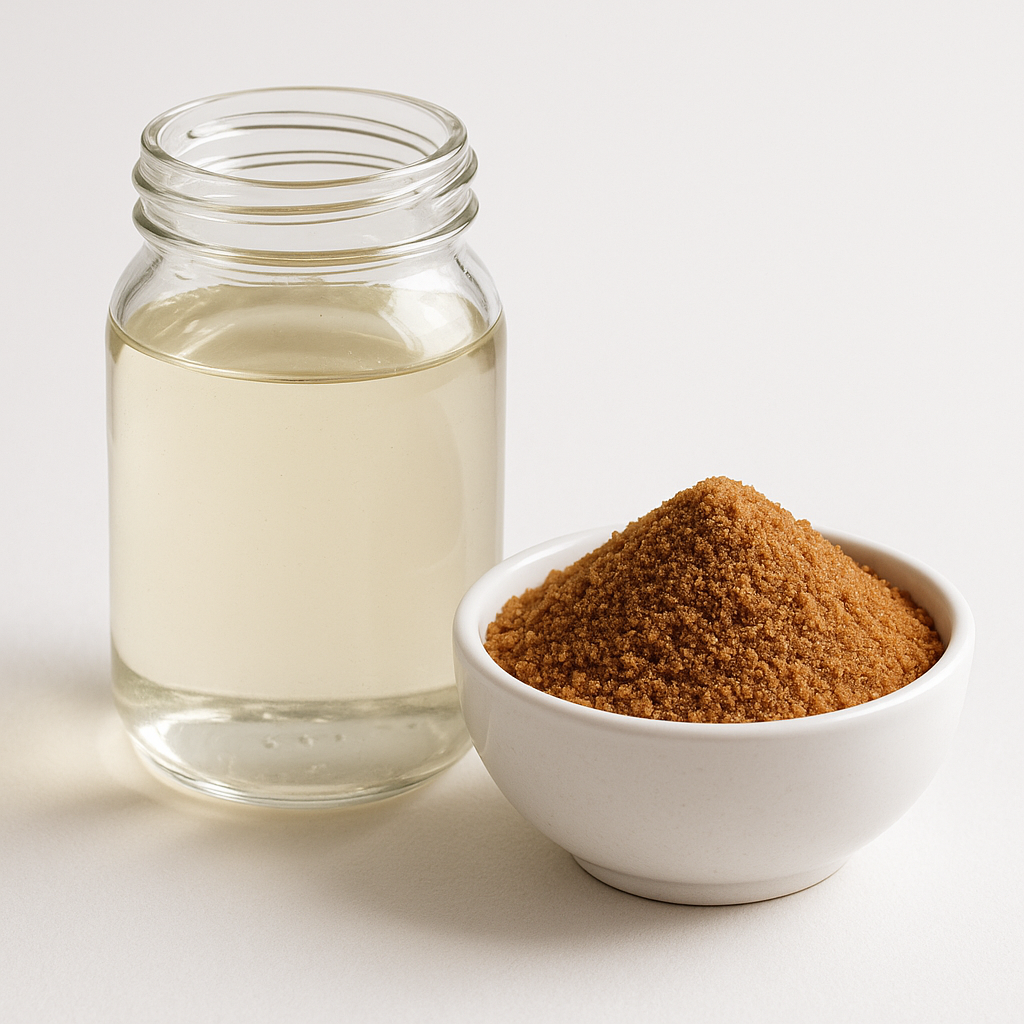
Color provides a quick visual indication of an oil’s appearance and can help buyers identify differences between batches. RBD coconut oil typically has a clear, pale appearance when liquid, although the precise color depends on processing and the specification.
Color alone, however, cannot prove purity or confirm that the oil meets every quality requirement.
How color specifications work
Suppliers may describe color using visual terms or a recognized instrumental color scale. The method matters because different measurement systems do not always produce directly comparable results.
Ask your supplier:
- What color range does the product specification define?
- Does the supplier assess color visually or instrumentally?
- Which test method and measurement conditions apply?
- What procedures does the supplier follow if a batch falls outside the agreed range?
For food manufacturers, consistent color may matter when coconut oil becomes part of a finished product or when the oil’s appearance affects quality acceptance. In personal care formulations, color can also influence the appearance of creams, balms, and other products.
Nevertheless, color should remain one part of a broader quality assessment. An oil that looks clear may still have an unacceptable FFA level, oxidation profile, or contaminant concentration.
4. Purity and Other Important RBD Coconut Oil Specifications
Purity refers to whether the oil meets the expected composition and applicable limits for unwanted substances. Buyers should define purity using measurable parameters rather than relying on broad marketing terms.
For RBD coconut oil, several additional specifications help establish whether the product suits its intended application.
Moisture and volatile matter
Excess moisture can contribute to hydrolysis and affect storage stability. Buyers should review the supplier’s maximum limit for moisture and volatile matter and confirm the method used to determine it.
Impurities and insoluble matter
Physical impurities may indicate inadequate filtration, handling problems, or contamination. Request the relevant specification and clarify how the supplier checks the finished oil before shipment.
Fatty acid profile
Coconut oil has a characteristic fatty acid composition. Reviewing its fatty acid profile can help buyers assess whether the product aligns with the expected composition.
For applications that require specific compositional controls, consider requesting a laboratory report or additional verification.
Oxidation indicators
Parameters such as peroxide value can help assess primary oxidation products. Depending on the application and applicable standard, buyers may also need other oxidation-related measurements.
A complete quality review may therefore include:
- FFA or acid value
- Color
- Moisture and volatile matter
- Insoluble impurities
- Fatty acid composition
- Peroxide value and other applicable oxidation indicators
The required limits depend on the product grade and relevant standard. Buyers should specify the necessary parameters in the purchase agreement and confirm that the supplier’s testing supports those requirements.
For an authoritative reference when establishing quality criteria, consult the FAO and WHO Codex Alimentarius standards. Check the specific standard applicable to your product and market rather than assuming one general limit applies to every use.
5. How to Read a Certificate of Analysis (COA)
A Certificate of Analysis records test results for a product batch or sample. It helps buyers compare the supplied oil against the agreed specification and identify any parameters that need further review.
However, a COA is useful only when buyers understand what it reports and how the results relate to their requirements.
Check these details
1. Product identification
Confirm that the document identifies RBD coconut oil and matches the product ordered. Check the batch or lot number against the shipment documents.
2. Actual test results
Distinguish between measured results and maximum or minimum specification limits. A document showing only acceptance limits provides less information about the actual batch than one reporting the measured values.
3. Units and test methods
Check whether the supplier reports FFA as a percentage, acid value in the stated unit, or another measurement. Confirm the color scale and the methods used for other parameters.
4. Testing date and traceability
Review the report date, batch reference, and issuing laboratory or quality department. Where appropriate, ask whether the supplier can provide independent laboratory testing.
5. Compliance with your requirements
Compare each result with your purchase specification and applicable regulatory requirements. If a parameter is missing, ask the supplier whether it can provide the information before shipment.
A COA should support a broader quality review, not replace it. For high-risk applications or strict customer requirements, independent testing may provide additional assurance.
6. How to Select an RBD Coconut Oil Supplier
Even a technically suitable product may not be a good fit if the supplier cannot maintain consistent specifications, provide the necessary documentation, or support your delivery schedule.
Before placing a bulk order, assess the supplier’s quality controls and ability to meet your operational requirements.
Questions to ask before ordering
- Can you provide a current technical data sheet and batch-specific COA?
- What limits do you guarantee for FFA, color, moisture, and impurities?
- Which test methods support your specifications?
- Can you maintain the agreed parameters across repeat orders?
- What packaging options and storage recommendations do you offer?
- Which export documents can you provide for the destination market?
- How do you investigate and resolve quality complaints?
Whenever possible, request a representative sample and assess it against your intended application. For repeat purchases, document the approved specification, acceptable tolerances, sampling procedure, and process for handling nonconforming batches.
Also, consider the supplier’s communication practices. Clear technical answers and consistent documentation make it easier to resolve discrepancies and maintain an effective supply relationship.
If you are exploring coconut-based ingredients from Indonesia, visit OilCocos to review its product offerings and identify the information relevant to your sourcing requirements.
Frequently Asked Questions
1. What does RBD mean in coconut oil?
RBD stands for refined, bleached, and deodorized. These processing stages help improve the oil’s appearance, odor, and selected quality characteristics.
2. What is the FFA specification for RBD coconut oil?
The required FFA limit depends on the applicable standard, product grade, and buyer’s requirements. Confirm the limit, reporting basis, and test method with the supplier rather than assuming one value applies universally.
3. What color should RBD coconut oil be?
RBD coconut oil generally has a clear, pale appearance when liquid. However, buyers should use the supplier’s documented color specification and measurement method to assess compliance.
4. How can I check the purity of RBD coconut oil?
Review the COA and relevant specifications for FFA, moisture, impurities, fatty acid composition, and oxidation indicators. Additional laboratory tests may be appropriate for demanding applications.
5. What documents should I request from an RBD coconut oil supplier?
Request a technical data sheet, product specification, batch-specific COA, and applicable export or food safety documents. Additional documentation depends on the destination market and intended use.
Final Considerations
Understanding RBD coconut oil specifications helps buyers make decisions based on measurable quality criteria rather than product descriptions alone. FFA, color, and purity each provide useful information, but no single parameter can establish overall quality.
Before confirming a bulk order, compare the supplier’s documented specifications with your application requirements, verify the COA, and agree on the quality limits that future deliveries must meet. This process supports more consistent sourcing and reduces the risk of receiving oil that does not suit your production needs.