
Coconut flour is a popular choice among gluten-free bakers looking for alternatives to traditional wheat flour. In this post, they will explore how coconut flour vs almond flour compare in terms of protein content and texture, providing insights that can guide bakers in their ingredient selection. You will learn that while both flours present unique characteristics, their protein levels and baking properties significantly influence the final outcome of gluten-free recipes. Understanding these differences can assist them in achieving the desired results in their baking endeavors.
Table of Contents
The Nutritional Face-Off: Protein Content in Coconut vs. Almond Flour
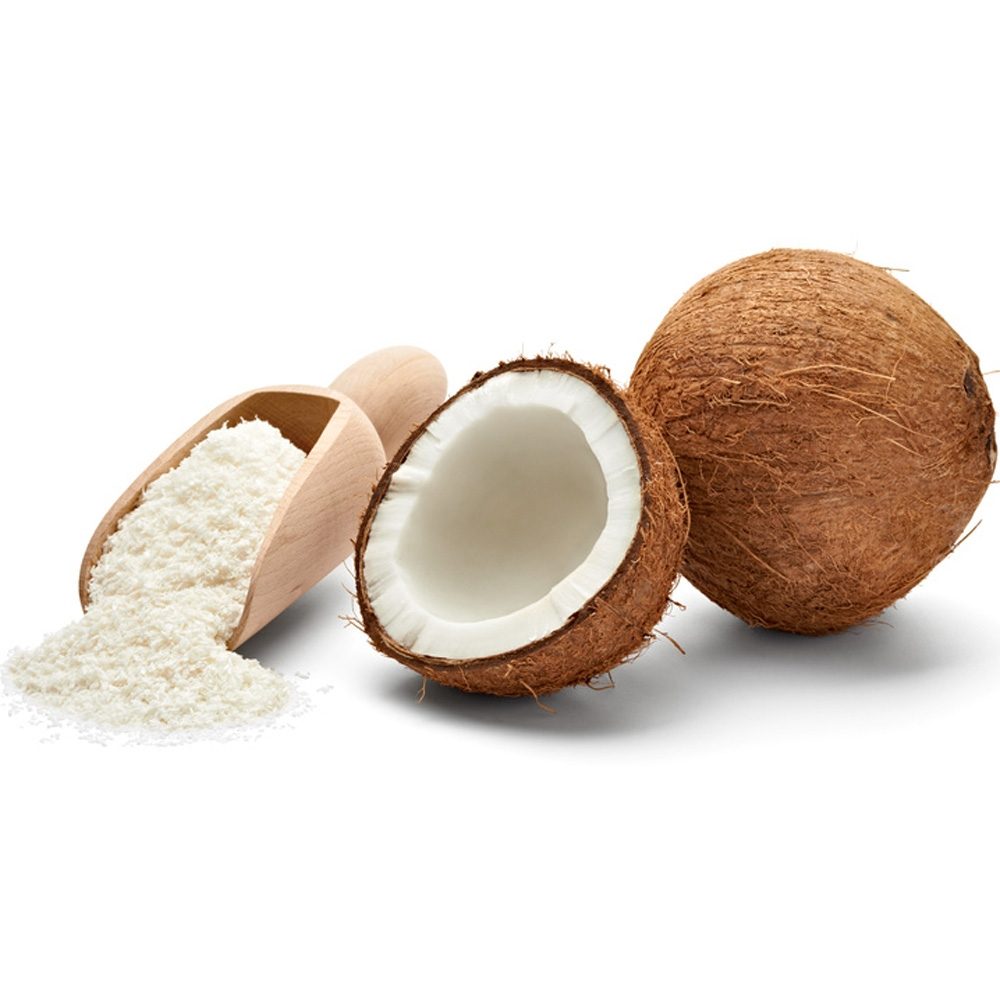
- Protein Profile Comparison
The comparison of protein content reveals significant differences between coconut and almond flour, which can impact baking choices.
Protein Content per 100g
| Coconut Flour | 20g |
| Almond Flour | 21g |
- Nutritional Benefits Beyond Protein
In addition to their protein content, both coconut and almond flour offer a range of other nutritional benefits that can enhance a gluten-free diet.
Coconut flour is an excellent source of dietary fiber, providing about 38,5g per 100g, which aids in digestion and promotes satiety. It also contains medium-chain triglycerides (MCTs), known for their potential to support weight management and provide quick energy. On the other hand, almond flour is rich in healthy fats, particularly monounsaturated fats, that can support heart health. Additionally, it boasts an impressive array of vitamins and minerals, including Vitamin E, magnesium, and calcium, making both flours valuable options for those seeking nutritious alternatives in their baking endeavors.
Texture Triumph: How Each Flour Affects Baked Goods
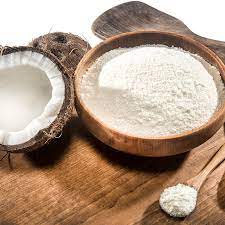
The texture of baked goods differs significantly between coconut flour and almond flour, impacting everything from crumb to density. Coconut flour generally yields drier and denser products, which may require additional liquid and binding ingredients to achieve the desired consistency. In contrast, almond flour creates a more moist and tender crumb, making it ideal for cakes, muffins, and quick breads. The choice of flour will ultimately influence not only the final product’s mouthfeel but also the overall success of gluten-free recipes.
- Moisture Retention and Absorption
Coconut flour is highly absorbent, often requiring a higher liquid-to-flour ratio in recipes. For every cup of coconut flour, you may need to add at least one cup of liquid to maintain the desired moisture level. On the other hand, almond flour retains moisture well but doesn’t require as much liquid, resulting in lighter baked goods that are naturally rich and flavorful.
- Baking Performance and Final Product Characteristics
The performance of these flours during baking plays a critical role in determining the final characteristics of the baked goods. Coconut flour tends to produce denser products with a crumbly texture, which can be beneficial in certain recipes like cookies or pancakes. Almond flour, conversely, enhances elasticity, leading to cakes that rise beautifully while maintaining a moist interior. This variance means that final products using almond flour often present a richer flavor and smoother texture, making them more appealing for desserts.
In practical applications, almond flour shines in recipes that benefit from a delicate crumb, such as macarons or brownies, where its fat content aids in producing a fudgy texture. Meanwhile, coconut flour is better suited for denser baked items like breads or muffins where a firmer structure is important. Adjustments in bake times and ingredient ratios are also often necessary, given the unique properties of these flours. Understanding these baking performances allows for better recipe success and a more pleased palate.
Flour Functionality: Interaction with Other Ingredients
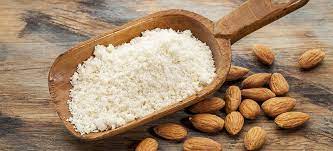
In gluten-free baking, the interaction of coconut flour and almond flour with other ingredients can significantly influence the final product’s outcome. Coconut flour, known for its high fiber content, absorbs a considerable amount of moisture, often requiring additional liquids or fats for balance. Almond flour, on the other hand, offers a richer fat content that enhances the overall texture, creating cakes and breads that are moist and tender. Understanding how each flour reacts with wet and dry elements is crucial for achieving desirable results.
- Binding Properties and Leavening Effects
Coconut flour’s excellent binding properties stem from its ability to absorb moisture, which aids in creating a cohesive dough. This characteristic, however, sometimes necessitates the incorporation of additional binding agents like psyllium husk or eggs. Almond flour provides a lighter crumb structure and contributes to leavening when used in conjunction with baking powder or soda, effectively helping baked goods rise. The choice between these flours can change how leavening agents perform, ultimately affecting texture and rise.
- Flavor Profiles and Their Impact on Recipes
The distinct flavor profiles of coconut and almond flour play a pivotal role in shaping the overall taste of baked goods. Coconut flour carries a mild sweetness and a subtle coconut essence, whereas almond flour offers a nutty and rich flavor that can enhance the taste of recipes like cookies and muffins. These unique profiles can dramatically alter how flavors meld in baked items, requiring recipe adjustments to achieve balance.
Coconut flour’s slight sweetness often complements fruity ingredients, making it ideal for tropical or dessert-focused recipes. In contrast, almond flour’s pronounced nuttiness works exceptionally well in recipes where a hearty flavor is desired, such as in savory breads or delicate pastries. Bakers should consider these nuances when pairing flours with other flavor components to maximize the sensory experience of their creations. Substituting one flour for the other not only alters texture but can also impact the overall flavor profile.
Practical Implications for Gluten-Free Bakers
Gluten-free bakers must navigate the nuances between coconut flour and almond flour to achieve the desired outcome in their recipes. Understanding the differing protein content and moisture absorption of these flours can lead to better consistency in texture and taste. For instance, coconut flour’s high fiber content often necessitates adjustments in liquids, while almond flour typically provides a richer flavor and moister texture.
- Ingredient Substitution Guidelines
When considering substitutions in gluten-free baking, she found that coconut flour and almond flour cannot be directly swapped due to their unique properties. For every cup of coconut flour, they should use only 1/4 to 1/3 cup of almond flour due to its higher fat content and denser texture. Conversely, if substituting almond flour for coconut flour, the ratios should increase significantly, employing additional eggs or binding agents to maintain structure.
- Tips for Achieving Optimal Results
To maximize the potential of both coconut and almond flour, several techniques can enhance outcomes in gluten-free baking. Bakers often benefit from incorporating a blend of these flours, yielding a superior texture and flavor profile. Including extra eggs is imperative for moisture retention and binding, particularly when using coconut flour due to its absorbent nature.
- Experimenting with liquid ratios is key to adjusting recipes effectively.
- Mitigating dryness by incorporating additional eggs helps improve texture.
- Perceiving the balance between flour types can elevate baked goods significantly.
Employing these tips can transform gluten-free creations. For greater consistency, recommend gradually testing different ratios and baking times based on specific recipes and desired textures. Utilizing a scale for precise measurements helps eliminate guesswork, enhancing the accuracy of dry and wet ingredient proportions. Keeping hydrated mixtures yields better results, especially when working with coconut flour.
- Regularly adjusting baking times can prevent over-drying in finished products.
- Incorporating additional fats, like coconut oil, can enrich flavor profiles.
- Perceiving the interplay of flavors can create standout dishes that please all diets.
Evolving Trends in Gluten-Free Baking
As gluten-free baking evolves, a notable shift is observed in preferences and techniques. With an increasing number of consumers opting for gluten-free diets not solely due to celiac disease but for other health benefits, bakers are experimenting with diverse flour types. More importantly, sustainable practices are emerging, leading to a rise in the use of locally-sourced and organic ingredients, enhancing both nutrition and flavor profiles in gluten-free recipes.
- Consumer Preferences and Dietary Considerations
Modern consumers are demanding products that cater to various dietary restrictions, including gluten sensitivity, nut allergies, and vegan lifestyles. This has resulted in a shift towards gluten-free options that do not compromise on taste or texture. They prefer baked goods made with wholesome ingredients, steering away from artificial additives and preservatives, showcasing a desire for cleaner, more nutritious options without sacrificing flavor.
- Innovations in Flour Alternatives and Blends
Innovation in flour alternatives has taken center stage, with bakers incorporating blends that combine the best qualities of multiple flours. Products such as oat flour, tapioca flour, and chickpea flour are entering the market, offering diverse textures and nutritional benefits. These innovative blends enable bakers to achieve superior moisture retention, improved rise, and better flavor profiles while catering to a wide range of dietary needs.
These blends not only enhance functionality but also provide a more balanced nutritional profile. For example, a blend of coconut flour and chickpea flour can improve protein content while offering desirable texture. Companies have begun developing ready-to-use flour mixes designed explicitly for gluten-free baking, simplifying the process for home bakers. Innovations like these can yield products that mimic traditional baked goods in taste and texture, creating enticing options for a broader audience.
Conclusion
With this in mind, individuals exploring gluten-free baking should consider both coconut flour and almond flour as viable options based on their specific needs. While almond flour offers a higher protein content, coconut flour provides unique texture and absorbency. You can select the best option according to desired outcomes in recipes, balancing protein intake and texture preferences. They should experiment with each flour to discover the perfect combination for their gluten-free baking adventures.