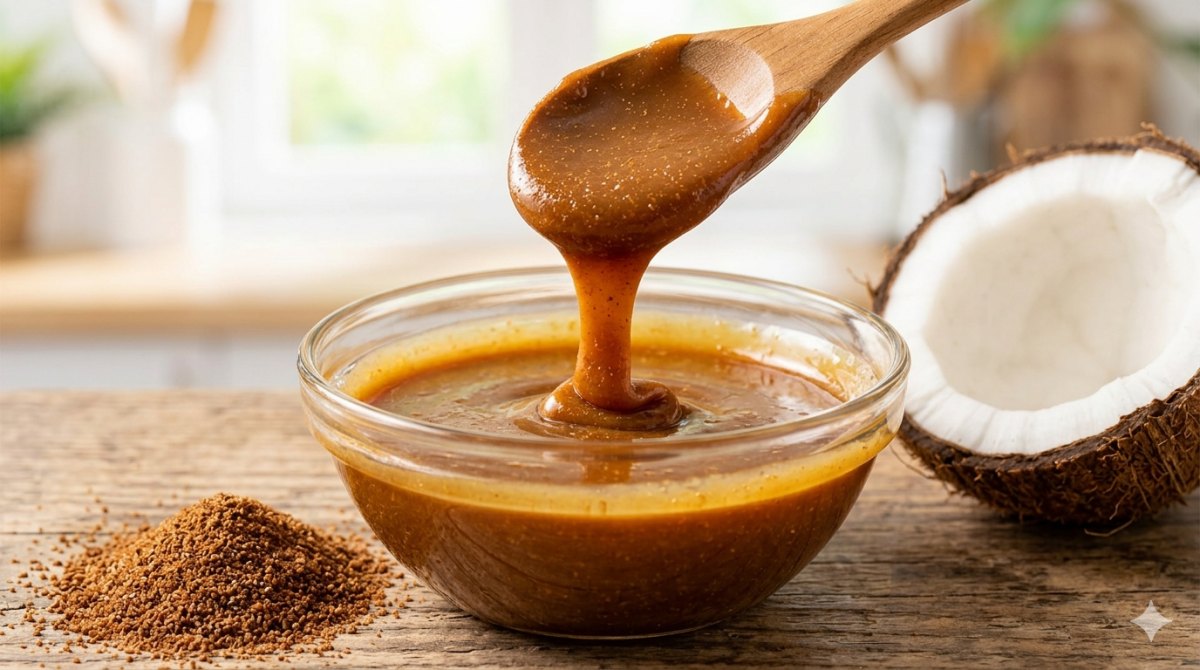
As global demand accelerates, producers must balance traditional methods with scalable quality standards. The coconut sugar market is projected to grow at a CAGR of 5.2% from 2025 to 2030, driven by increasing consumer preference for natural sweeteners in North America and Europe. This expansion requires manufacturers to standardize antifoaming processes while maintaining the artisanal quality that differentiates coconut sugar from refined alternatives.
International buyers increasingly scrutinize production additives against established food safety frameworks. The Codex Alimentarius Commission sets international food standards that govern acceptable processing aids, including antifoaming agents used during sugar crystallization. Compliance with these standards is essential for Indonesian exporters targeting EU and North American markets, where regulatory bodies reference Codex guidelines when evaluating import applications.
Quality control extends beyond foam management to verifying product authenticity throughout the supply chain. Recent adulteration detection studies in Food Control Journal demonstrate that isotopic analysis can identify coconut sugar mixed with cheaper cane sugar, a practice that undermines premium pricing. For B2B buyers, understanding which antifoaming agents producers use provides insight into overall quality protocols—manufacturers careful about foam control typically maintain rigorous standards across all production stages.
Most people don’t realize that antifoaming agents in coconut sugar production play a key role in creating the sweetener you see on store shelves. When you’re buying coconut sugar, you might notice foam control additives listed in the ingredients – and there’s actually good reasons manufacturers use them. The boiling process creates excessive foam that can mess with production efficiency and product quality, so antifoaming agents in coconut sugar production help keep things running smoothly while maintaining the sugar’s natural properties you’re looking for.
The old-school tricks that actually work
Your grandma’s coconut sugar maker probably knew more about antifoaming agents in coconut sugar production than most modern factory workers. Before chemical defoamers became the norm, producers relied on what was literally growing in their backyard to keep those bubbles under control. These traditional methods still hold up today, and you’ll find small-batch producers swearing by them because they work without messing with the sugar’s Coconut Sugar: Chemical Analysis and Nutritional Profile – PMC integrity.
Why coconut oil is still the goat
Coconut oil remains the top choice for antifoaming agents in coconut sugar production because it’s already part of the coconut ecosystem. You’re basically using one part of the tree to process another part – it’s elegant, really. Just a tiny drop breaks surface tension instantly, and since it’s food-grade by default, there’s zero worry about contamination.
Other natural bits and bobs from the garden
Papaya leaves, banana stems, and even cassava roots have been traditional antifoaming agents in coconut sugar production for centuries. Old-timers would toss in a crushed leaf or two, and the foam would collapse like magic. These plant materials contain natural surfactants that do the same job as synthetic chemicals.
The chemistry behind these garden remedies is actually pretty solid – proteins and saponins in these plants interact with the bubble structure just right. Papaya leaf extract works particularly well because it’s heat-stable and won’t break down during the boiling process. Banana stem juice contains compounds that reduce surface tension without adding any off-flavors to your final product. Some producers in Indonesia and the Philippines still use these methods exclusively, especially when they’re going for organic certification. The downside? You need fresh materials, and dosing can be tricky since plant potency varies by season. But when you’re working with antifoaming agents in coconut sugar production on a small scale, having a papaya tree next to your processing shed beats ordering chemicals any day.
The real deal about the modern stuff they’re adding
Antifoaming Agents in Coconut Sugar Production have evolved way beyond traditional coconut oil, and you’ll find some seriously high-tech options in modern facilities. Producers now rely on food-grade silicone compounds and synthetic polymers that work faster and more efficiently than anything your grandmother would’ve recognized. These additives might sound scary, but they’re specifically designed for food processing and used in tiny amounts – we’re talking parts per million here. Your coconut sugar isn’t swimming in chemicals, but understanding what’s actually being added helps you make informed choices about what you’re buying.
What’s the deal with food-grade silicone?
Polydimethylsiloxane (try saying that three times fast) is the most common silicone antifoam you’ll encounter in Antifoaming Agents in Coconut Sugar Production today. It’s incredibly effective at breaking surface tension in boiling sap, and manufacturers love it because just a drop controls foam across huge batches. You’ve probably consumed this stuff before – it’s in everything from cooking oils to fast food fryer oil.
Are these fancy additives honestly okay for us?
Regulatory bodies worldwide have approved these modern antifoaming agents for food use, and the science backs up their safety profile. You’re exposed to way more concerning stuff in processed foods than trace amounts of food-grade antifoams. The FDA, EFSA, and other food safety organizations have set strict limits on how much can be used.
Studies on food-grade silicone antifoams show they pass through your digestive system without being absorbed – your body literally can’t break them down, so they just exit the way they came in. The amounts used in Antifoaming Agents in Coconut Sugar Production are so minimal that even if you ate coconut sugar by the spoonful all day (please don’t), you wouldn’t come close to concerning exposure levels. Some people worry about silicone accumulation, but research hasn’t found evidence of bioaccumulation with food-grade versions. That said, if you’re going for absolutely zero additives, you’ll want to seek out producers who explicitly state they use only traditional methods or skip Antifoaming Agents in Coconut Sugar Production entirely – those products exist, though they’re harder to find and usually cost more.
My take on why we can’t just skip the antifoam
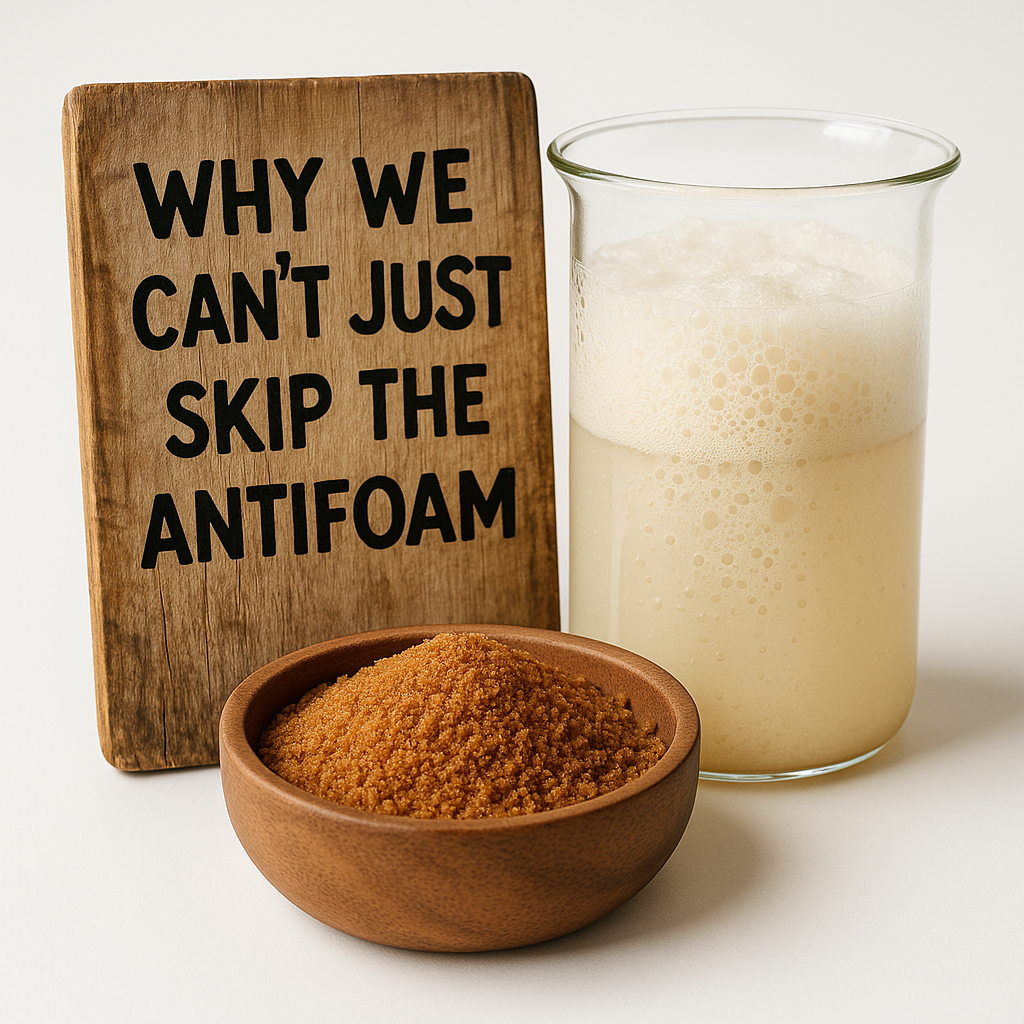
Skipping antifoaming agents in coconut sugar production isn’t really an option if you’re running a commercial operation. Your production line would grind to a halt within hours as foam overflows from boiling vats, creating a sticky mess that ruins batch after batch. The economics simply don’t work when you’re losing product and wasting fuel trying to manage uncontrollable foam.
How it saves a ton of time and energy
Antifoaming agents in coconut sugar production cut your boiling time by up to 40% because you can crank up the heat without worrying about foam eruptions. You’ll burn less fuel, process more batches daily, and your equipment stays cleaner between runs – which means less downtime for maintenance.
Keeping the sugar’s taste from going south
Excessive foam during boiling exposes more sugar molecules to prolonged heat, creating those burnt, bitter notes that ruin the delicate caramel flavor you’re after. Antifoaming agents in coconut sugar production prevent this by allowing faster, more controlled evaporation at optimal temperatures.
The flavor issue goes deeper than most people realize. When foam takes over your boiling process, you’re forced to reduce heat and extend cooking times, sometimes by several hours. That extended exposure to heat – even at lower temperatures – degrades the natural flavor compounds in coconut sap that give your sugar its distinctive taste profile. The amino acids and volatile aromatics that create those butterscotch and maple notes? They break down when you can’t maintain the right temperature curve. And here’s what really gets me – some producers try compensating by adding flavor enhancers later, which defeats the whole purpose of making premium coconut sugar in the first place. Using antifoaming agents in coconut sugar production lets you preserve those natural flavors by maintaining the quick, hot boil that locks in the good stuff while driving off water efficiently. Your customers can actually taste the difference between sugar that was processed quickly versus sugar that sat bubbling away for hours because someone was too stubborn to use a few drops of antifoam.
What’s the best way to use this stuff?
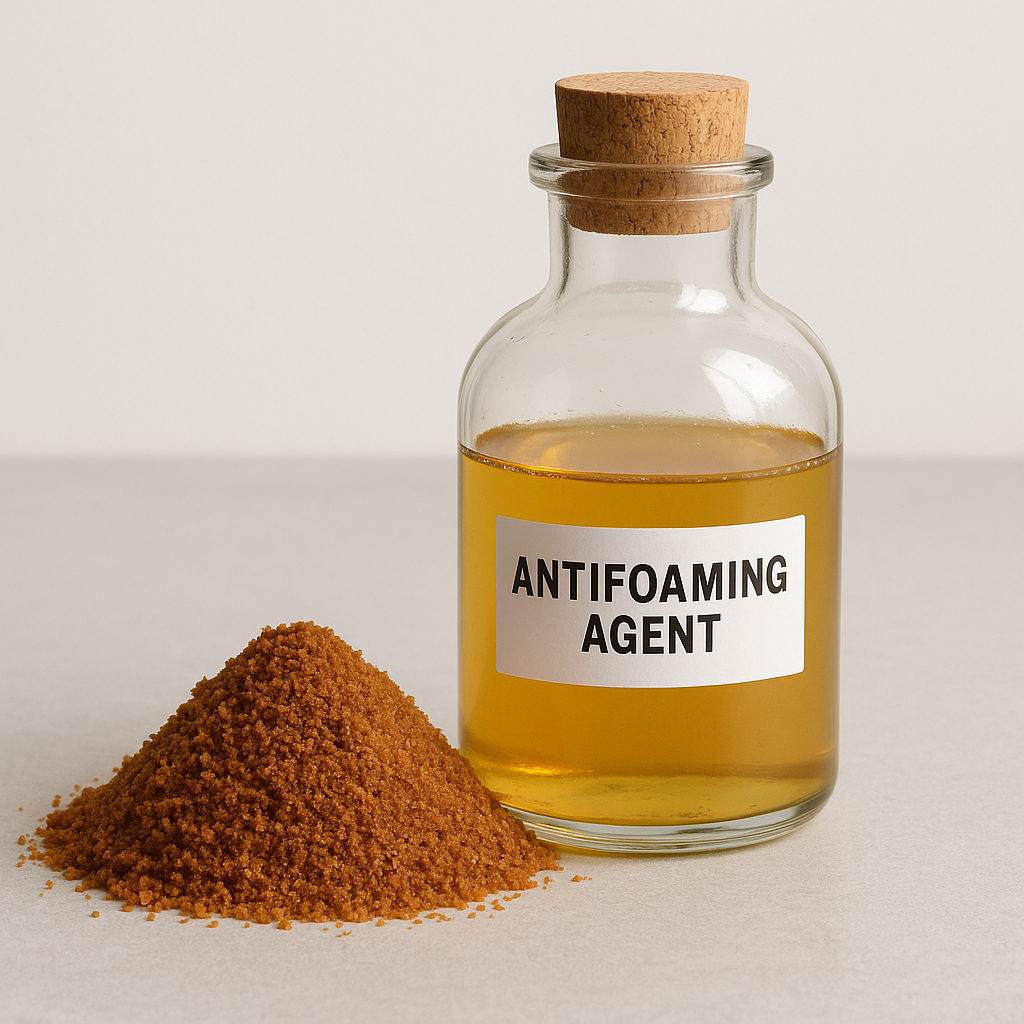
Proper application of Antifoaming Agents in Coconut Sugar Production requires precision and careful attention to dosage rates. You’ll want to add just 0.01% to 0.05% of the total liquid volume during the boiling process. Food Grade Antifoams and Defoamers work best when introduced at specific temperature points, typically right before your sap reaches its foaming peak.
Don’t go overboard or you’ll regret it
Excessive amounts will actually slow down your evaporation rate and can leave residues in your final product. When using Antifoaming Agents in Coconut Sugar Production, less is definitely more – you’re aiming for foam control, not complete elimination. Overdosing creates processing headaches and wastes money on unnecessary chemicals.
Timing is everything when you’re boiling
Adding your antifoam too early means you’ll burn through it before the critical foaming stage even begins. The sweet spot for introducing Antifoaming Agents in Coconut Sugar Production is when your sap temperature hits around 95-100°C, just before vigorous boiling starts.
You need to watch your kettle like a hawk during this phase because coconut sap behaves differently than other sugar sources. The proteins and organic compounds in the sap create foam patterns that can change based on harvest conditions and sap freshness. Some producers add a small initial dose at the start of boiling, then keep a second portion ready for when the foam really kicks up during the concentration phase. This two-stage approach with Antifoaming Agents in Coconut Sugar Production gives you better control and prevents that panicked moment when foam suddenly threatens to overflow your equipment. Your thermometer and visual observation are your best friends here – you’ll learn to recognize that critical moment when the sap transitions from gentle bubbling to aggressive foaming, and that’s when you need your antifoam ready to go.
Final Words
Conclusively, antifoaming agents in coconut sugar production serve a specific purpose you can’t ignore – they prevent foam overflow during boiling and ensure efficient processing. You’ll find that antifoaming agents in coconut sugar production typically include food-grade vegetable oils or silicone-based compounds approved for food use. When you understand antifoaming agents in coconut sugar production, you realize they’re added in minimal quantities and don’t compromise the sugar’s natural properties. The antifoaming agents in coconut sugar production you encounter are carefully regulated and safe for consumption.