
Desiccated coconut in food preservation has become a subject of keen interest among people seeking natural ways to extend the shelf life of their food. With the global desiccated coconut market expected to reach $7.1 billion by 2026 (according to a report by Global Market Insights, Inc.), understanding the use of desiccated coconut in food preservation becomes especially pertinent.
Table of Contents
Traditional Methods of Preserving Food with Desiccated Coconut
Historically, desiccated coconut has played a crucial role in food preservation, particularly in tropical regions where coconuts are abundant. Traditional societies often relied on desiccated coconut to preserve their food, drying and grating the coconut meat so as to extract its oil and water. This process transformed the coconut into a dry, durable substance that could be stored for long periods.
When combined with other food, the desiccated coconut would act as a natural preservative, inhibiting moisture and preventing the growth of harmful bacteria.

Take, for example, the Philippines—an island nation abundant with coconuts and known to use desiccated coconut for preserving food. Traditional Filipinos would use it in “bukayo,” a local sweet delicacy. The desiccated coconut was mixed with brown sugar and cooked until everything was absorbed. The mixture would then be cooled and shaped into small balls, which would last much longer than most food owing to the preservative properties of coconut.
Desiccated Coconut as a Natural Preservative in Cooking
Modern cooking practices have retained the use of desiccated coconut in food preservation, and its use extends to a wide range of cuisines globally. Apart from its preservative properties, desiccated coconut adds a distinct flavor and texture to foods, enhancing their appeal.
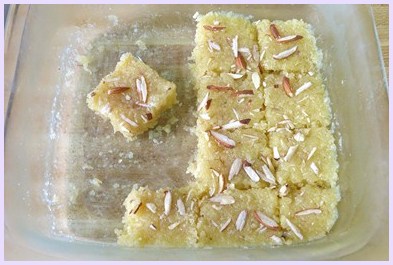
For instance, in South Indian cooking, desiccated coconut is used in “Kopra Pak,” a type of sweet where its moisture-absorbing properties contribute to the dessert’s extended shelf life. It’s also a common ingredient in preparations like curry pastes, where it acts as a natural binding agent that not only enhances the dish’s texture but also its shelf life.
The Science Behind Coconut’s Preservative Properties
There are inherent properties within coconut that explain its efficacy in food preservation. When coconut is dried to form desiccated coconut, its water content significantly decreases, as does its pH. Lower water content and pH make for an unwelcoming environment for bacteria, extending food’s shelf life.

Furthermore, desiccated coconut is rich in Medium Chain Triglycerides (MCTs), a type of fatty acid known for their antimicrobial and antifungal properties. A study published in the Journal of Food Science and Technology demonstrated that the oil extracted from desiccated coconut displayed inhibitory effects on common food pathogens like Escherichia coli and Staphylococcus aureus.
The preservation properties of desiccated coconut, coupled with increasing consumer awareness towards natural and organic food products, create a dynamic environment for the use and study of desiccated coconut in food preservation. Indeed, the role it plays in maintaining food safety and extending shelf life is one that researchers continue to explore fervently.
Incorporating Desiccated Coconut in Modern Food Preservation
Desiccated coconut refers to the dried, shredded, or ground kernel of mature coconuts. It is available in various forms such as grated, powdered, or flakes, and can be toasted, sweetened, or unsweetened. It has been a staple ingredient in various cuisines around the globe, including South and Southeast Asia, the Pacific Islands, and the Caribbean.

Desiccated coconut is inherently rich in healthy fatty acids, especially medium-chain triglycerides (MCTs), and have antimicrobial properties. These properties make it a potent food preservative. When incorporated into various food products, it can considerably enhance the shelf life of the product, combat harmful microbes, and keep the food products fresh for a longer duration.
A 2018 study published in ‘Food Control’ showed desiccated coconut pulps effectively controlled the growth of foodborne bacteria like E.coli, Salmonella, and Listeria by creating an unfavorable environment for their growth. Furthermore, coconut’s high content of saturated fats reduces the rate of rancidity and oxygen infiltration, thereby increasing the shelf-life of food items.
Long-Term Storage Solutions Using Desiccated Coconut
In the context of long-term storage, desiccated coconut presents a unique advantage. Due to its low moisture content, it does not spoil easily and can be stored for months, if not years, without refrigeration. This makes it an excellent choice for the preservation of foods intended for long-term storage.
Desiccated coconut is also used in the preparation of dry mixes for products such as dessert mixes, instant soups, and seasoning blends. Because of its ability to resist spoilage, these mixes can be stored for extended periods without losing their original taste or quality. Moreover, in situations where access to fresh food may be limited, such as long journeys or in disaster-stricken areas, desiccated coconut can provide a valuable source of nutrients.
In addition, several studies have shown that the inclusion of desiccated coconut in vacuum-packed food items can double or even triple their shelf-life. This is due to the fact that the coconut can absorb any residual oxygen inside the packaging, thus limiting the potential for microbial growth.
The Impact of Desiccated Coconut on Shelf Life and Quality
Desiccated coconut not only prolongs the shelf-life of food items but also maintains and even enhances their quality. Its natural sweetness and unique texture can enhance the flavor profiles of the preserved goods, making them more appealing to consumers.
Research published in the International Journal of Food Science & Technology in 2020 indicated that the inclusion of desiccated coconut in bread products significantly improved their textural quality, sensory properties, and overall acceptability among consumers. This was attributed to the coconut’s water-binding capacity and lipid content, which contributed to improved softness, moistness, and freshness of the bread.
Therefore, the role of desiccated coconut in food preservation is not only a functional one but also influences the sensory properties and overall consumer perception of the product. It offers a natural, effective solution for extending the shelf-life and maintaining the quality of food products, and hence is a promising and exciting avenue in modern food preservation.
Sustainable Food Preservation Practices with Coconut
Desiccated coconut has long been recognized for its role in food preservation. Made from the meat of mature coconuts, desiccated coconut is essentially dried coconut, which allows it to be stored for a more extended period compared to fresh coconut. Its rich fat content creates an environment that inhibits the growth of harmful bacteria, thus prolonging the shelf life of foods.
Historically, this method was particularly favored in tropical regions where coconuts are native and abundant. Asian and Pacific Island cultures have been using coconut, in its various forms, as a natural preservative for generations. Nowadays, due to the global awareness to reduce food waste and promote sustainability, the use of desiccated coconut in food preservation has emerged as a practical and eco-friendly option.
Financially, desiccated coconut offers a cost-efficient solution to food preservation because of its relatively low price and wide availability. Unlike the expensive preservatives often used in the food industry, desiccated coconut is more affordable, thereby lowering the cost of food production.
Desiccated Coconut in Emergency Food Supplies and Rations
In emergency situations, preservatives play a crucial role. Food supplies and rations need to last as long as possible without the convenience of proper storage facilities. Desiccated coconut, with its natural preservative properties, meets this requirement exceptionally well, while also being a source of quick energy due to its high content of medium-chain triglycerides (MCTs).
Recently, the desiccated coconut’s role in food preservation has expanded into the emergency food supplies. Governments and non-governmental organizations around the world have started including it in disaster relief packages. The fact that desiccated coconut is non-perishable, nutrient-dense, and lightweight makes it ideal for this use.
Future Innovations in Food Preservation with Desiccated Coconut
Looking ahead, desiccated coconut in food preservation shows great promise pertaining to modern food technology advancements. Scientific research is being conducted to develop innovative ways to maximize the potential of desiccated coconut in improving food shelf life.
One such innovation is nanoemulsion techniques using coconut oil, which also includes desiccated coconut. This technique can introduce antimicrobial and antioxidant properties into the food, thereby significantly prolonging shelf life without compromising the nutritional value of the food.
Moreover, combinations of desiccated coconut with other natural preservatives (such as honey) are being explored to create synergistic effects that further enhance preservation actions.
To sum up, the role of desiccated coconut in food preservation not only has deep historical roots but is also critical in current practices due to its sustainability, cost-effectiveness, and potential for future innovations. As we strive to reduce food waste and enhance food security in emergencies, it will remain a valuable resource. Its promising avenues for development in food technology bear watching, as they could revolutionize our way of preserving food in the future completely.