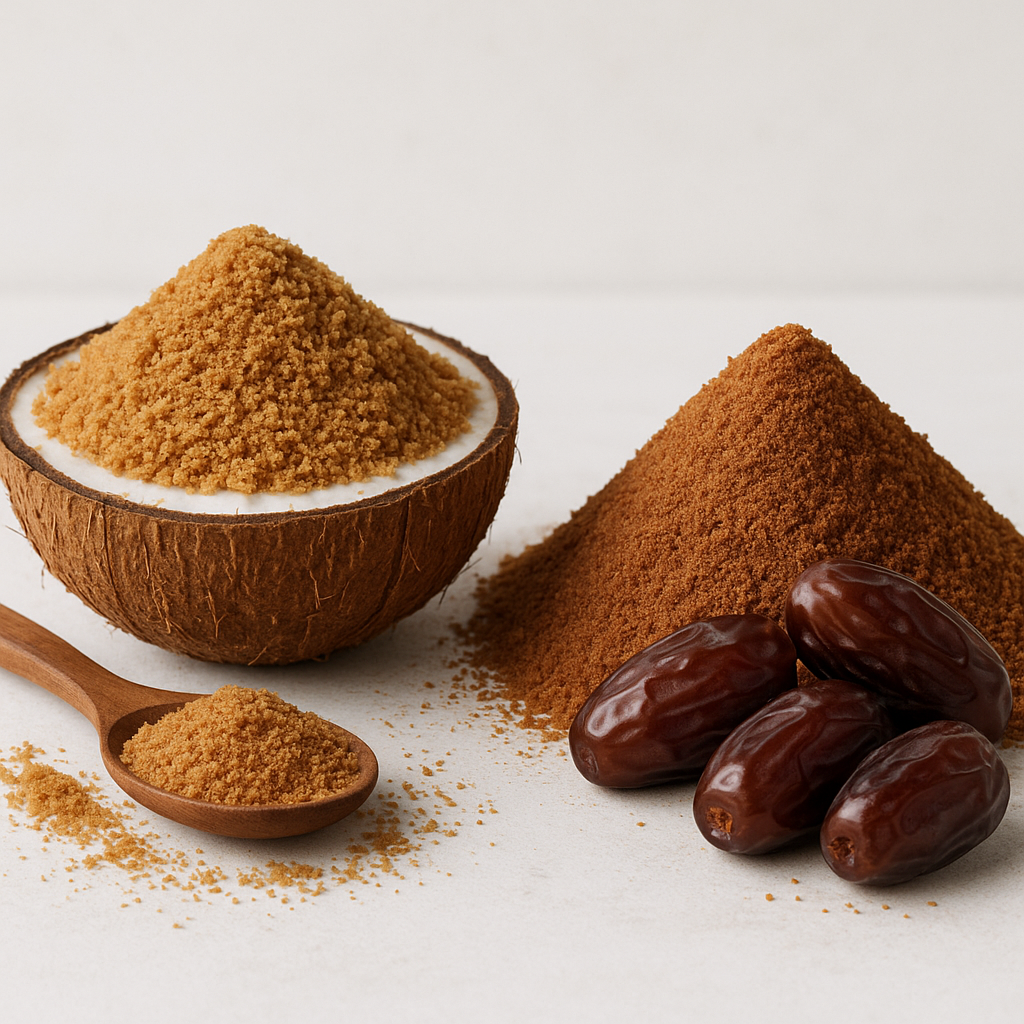
Choosing a coconut sugar supplier involves more than comparing product descriptions. For food manufacturers, distributors, and ingredient importers, the right sourcing decision affects product consistency, production efficiency, food safety, and supply chain reliability. A supplier may offer attractive specifications, but can they maintain consistent quality across repeat orders? Can they provide the documentation your business needs? And will their product perform as expected in your formulation?
Before placing a bulk order, buyers should evaluate the supplier’s product specifications, quality controls, production capacity, packaging, export experience, and communication. Asking the right questions early helps reduce sourcing risks and establish a reliable long-term business relationship.
This guide explains what to ask a coconut sugar supplier before ordering, whether you are purchasing for food production, wholesale distribution, or international trade.
1. What Are the Coconut Sugar Specifications?
Start by understanding exactly what the supplier offers. Coconut sugar can vary in color, granulation, moisture content, aroma, and flavor depending on its production process and handling. These characteristics may influence how the ingredient performs in your final product.
Ask the supplier:
- What color, flavor, and aroma should we expect?
- What particle sizes or granulation options are available?
- What is the typical moisture content?
- What are the product’s purity and composition specifications?
- Can you provide a technical data sheet and product specification sheet?
Match the specifications to your application
Different food applications require different ingredient characteristics. A bakery manufacturer, for example, may need consistent granulation for even mixing, while a beverage producer may prioritize dissolution and flavor compatibility.
Therefore, explain your intended application before requesting a quotation. The supplier can then clarify whether its available grade suits your formulation.
You should also request a representative sample before approving a large shipment. Evaluate the sample under realistic production conditions rather than relying solely on its appearance.
For additional context, read Coconut Sugar vs. Cane Sugar: Differences for Food Makers to understand how the two sweeteners may differ in formulation and use.
2. What Quality Control and Food Safety Measures Do You Follow?
Product specifications describe what you expect to receive. Quality control explains how the supplier works to deliver it consistently.
Food manufacturers and importers should understand how a supplier manages raw materials, processing, hygiene, storage, and finished-product inspection. These practices matter because inconsistent quality can affect production batches, customer acceptance, and regulatory compliance.
Ask questions such as:
- How do you inspect and approve incoming raw materials?
- Which quality parameters do you test for each batch?
- Can you provide a recent Certificate of Analysis (COA)?
- What food safety management systems or certifications do you maintain?
- How do you prevent contamination during processing, packing, and storage?
- Can you trace a finished batch back to its production records?
Request evidence, not just assurances
A Certificate of Analysis helps buyers review the measured results for a particular product batch. Depending on the product and buyer requirements, it may include moisture, microbiological parameters, or other agreed specifications.
However, a COA does not automatically prove that every aspect of a supplier’s operation meets your requirements. Review the listed test methods, acceptance limits, issuing laboratory, and batch identification where relevant.
If your market requires specific certifications or testing, identify those requirements before ordering. Verify certificates directly where possible, including their validity, scope, and applicability to the actual manufacturing site and product.
3. Can You Provide the Documentation Required for Importing?
Documentation can become a major obstacle when an otherwise suitable ingredient crosses international borders. Requirements vary by destination country, product classification, intended use, and the importer’s regulatory obligations.
Before ordering, ask the supplier which documents it can provide and which documents it can arrange for your shipment.
Common documents to discuss include:
- Commercial invoice and packing list
- Certificate of Analysis
- Product specification or technical data sheet
- Certificate of origin, when required
- Relevant food safety certificates
- Health or phytosanitary documentation, if applicable to the product and destination
- Export and customs documents required for the transaction
Not every shipment requires every document on this list. Confirm the applicable requirements with your customs broker or relevant authorities before finalizing the order.
Confirm labeling and traceability details
If you sell coconut sugar under your own brand or supply it to a food manufacturer, ask whether the supplier can support your labeling and traceability requirements.
Clarify how the product name, country of origin, batch number, net weight, ingredients, and storage instructions will appear on the packaging or accompanying documents. Also, establish how the supplier handles document corrections if discrepancies arise.
For international buyers, documentation readiness is part of supplier reliability, not simply an administrative detail.
4. What Are Your Minimum Order Quantity and Production Capacity?
A supplier may have the right product but an unsuitable order structure. Minimum order quantity (MOQ), production lead time, and available capacity all affect purchasing decisions.
Ask the supplier:
- What is the MOQ for a first order?
- Can I order samples or a trial quantity?
- What is the usual lead time after order confirmation?
- Can you handle recurring bulk orders?
- How much notice do you need for larger or seasonal orders?
- Can you accommodate changes in order volume?
Plan for repeat purchases
A small trial order helps you assess quality before committing to a larger volume. Once the product meets your requirements, discuss a realistic replenishment schedule.
For example, a food manufacturer may need regular deliveries to avoid interrupting production. A distributor may instead need flexibility to respond to changing customer demand.
Ask how the supplier manages periods of high demand and whether it can communicate potential delays early. Avoid relying on verbal assurances alone; document agreed lead times, order quantities, and quality requirements in your purchase agreement.
A dependable sourcing relationship requires both suitable product quality and a practical supply arrangement.
5. How Do You Package and Store Coconut Sugar?
Packaging influences product protection during transportation, warehousing, and handling. Coconut sugar can absorb moisture from its surroundings, so suitable packaging and storage practices are important for maintaining its intended condition.
Ask the supplier:
- What packaging materials and sizes are available?
- Are bulk packaging options suitable for export shipments?
- How do you protect the product from moisture during storage and transport?
- What storage conditions do you recommend?
- What shelf-life information can you substantiate?
- Can you provide packaging specifications before shipment?
The appropriate packaging depends on the order size, transport method, destination, and your own storage facilities. Discuss whether the packaging provides an adequate moisture barrier and whether it suits your warehouse and production processes.
Check shelf life and handling instructions
Do not assume that all coconut sugar products have the same shelf life. Request the supplier’s stated shelf life and the conditions under which it applies.
Also, clarify whether the shelf-life period begins at production, packaging, or another documented point. This helps you assess the remaining usable period when the shipment arrives.
Before dispatch, agree on the packaging format, labeling, palletization if needed, and any special handling requirements. These details can prevent avoidable problems during receiving and inventory management.
6. What Are Your Export Terms and Shipping Arrangements?
For international buyers, the sourcing process does not end when the supplier confirms the order. Shipping terms, freight arrangements, insurance responsibilities, and customs procedures can affect the delivery schedule and the total landed cost.
Ask the supplier:
- Which Incoterms can you support?
- Can you arrange export clearance and freight, or should the buyer handle them?
- Which shipping methods and ports are available?
- What is the estimated transit time?
- How do you protect the product during loading and transport?
- What happens if the shipment is delayed or arrives damaged?
Clarify the responsibilities of each party before paying a deposit or confirming production. If you use a freight forwarder, coordinate the supplier’s packing and documentation process with that provider.
You should also understand the distinction between the product quotation and the total landed cost, which may include freight, insurance, duties, customs clearance, and other applicable charges.
For buyers sourcing from Indonesia, OilCocos provides a starting point for exploring its coconut ingredient offerings. You can also review the coconut sugar supplier from Indonesia page to assess whether the available product information aligns with your sourcing needs.
7. How Do You Handle Complaints and Long-Term Supply Agreements?
A supplier’s response to problems can be as important as its initial product quality. Even with established quality controls, buyers should agree on a clear process for addressing specification deviations, damaged packaging, missing documents, or delivery discrepancies.
Ask these questions before ordering:
- What is your procedure for reporting a quality issue?
- What evidence must the buyer provide?
- How quickly do you investigate complaints?
- Can you replace or otherwise resolve a nonconforming shipment under agreed conditions?
- Can you maintain consistent specifications across repeat orders?
- Who will be our main contact for order updates and technical questions?
Put critical requirements in writing
A purchase agreement should identify the approved specifications, order quantity, packaging, delivery terms, required documents, and process for handling nonconforming goods.
For recurring purchases, consider documenting acceptable quality tolerances, change-notification procedures, and the steps required before the supplier changes a material aspect of the product or process.
You should also evaluate communication quality during the initial inquiry. Clear answers, complete documentation, and realistic commitments provide useful evidence of how the supplier may manage a longer relationship.
Ultimately, the goal is not simply to find a coconut sugar supplier that can fulfill one order. It is to establish a sourcing arrangement that supports consistent production, dependable deliveries, and your business’s quality requirements.
Frequently Asked Questions
1. What should I check before choosing a coconut sugar supplier?
Review product specifications, quality controls, food safety documentation, production capacity, packaging, export experience, and complaint procedures. Request a sample and relevant documents before placing a bulk order.
2. What documents should a coconut sugar supplier provide?
Common documents include a product specification sheet, Certificate of Analysis, commercial invoice, packing list, and certificate of origin when required. Additional food safety or import documents depend on the destination and transaction.
3. Should I request a coconut sugar sample before ordering in bulk?
Yes. A sample allows you to assess color, aroma, flavor, granulation, and performance in your intended application. Confirm that the bulk order will follow the approved specifications.
4. How can I verify the quality of coconut sugar?
Review the technical data sheet and batch-specific COA, check applicable certifications, and confirm that the supplier can explain its testing and traceability procedures. Independent testing may be appropriate when required by your quality system or destination market.
5. What should importers ask an Indonesian coconut sugar supplier?
Ask about available grades, specifications, MOQ, lead time, export documentation, packaging, shipping terms, and quality complaint procedures. Confirm destination-specific import requirements before finalizing the order.
Final Considerations
Choosing a coconut sugar supplier requires a structured assessment of product quality, documentation, supply capacity, and communication. By asking these questions before ordering, buyers can identify potential issues early and make sourcing decisions based on verifiable information rather than assumptions.
If you are evaluating coconut sugar from Indonesia, start by reviewing the product specifications and discussing your application, required documents, and expected order volume with the supplier. A clear initial conversation can help determine whether the product and supply arrangement fit your business needs.