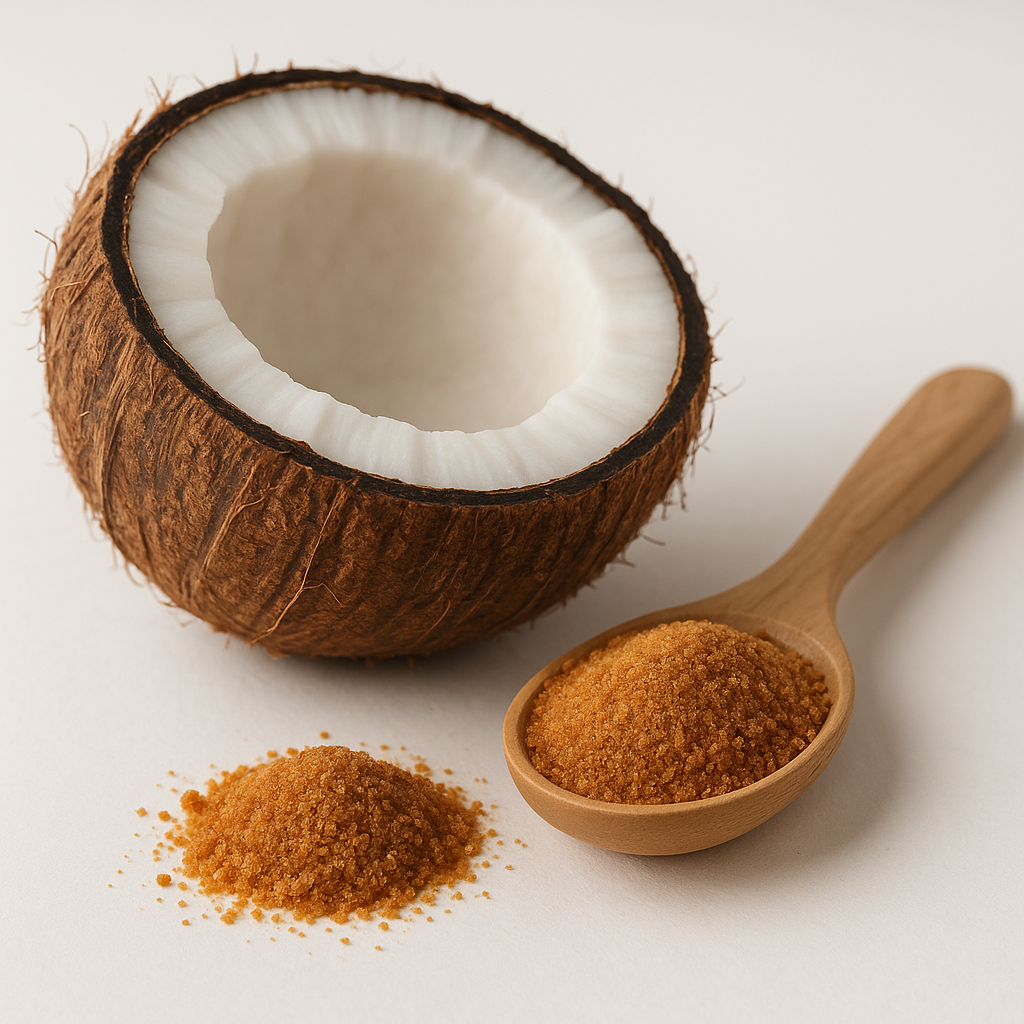
Choosing the right desiccated coconut grade can make a significant difference in food quality, production efficiency, and product consistency. A bakery may need fine coconut for smooth fillings, while a confectionery manufacturer may prefer medium or coarse particles for texture and visual appeal. Selecting an unsuitable grade can affect ingredient distribution, moisture balance, product appearance, and processing performance.
For food manufacturers, importers, and ingredient distributors, understanding desiccated coconut grades helps simplify purchasing decisions. However, particle size alone does not determine quality. Buyers should also consider moisture content, fat content, color, aroma, microbiological specifications, and the intended application.
This guide explains the main desiccated coconut grades, their practical uses, and the factors buyers should evaluate before choosing a supplier.
1. What Are Desiccated Coconut Grades?
Desiccated coconut is dried, finely processed coconut meat used as an ingredient in food manufacturing. Producers remove the coconut shell and brown skin as required, then process the white kernel into flakes, granules, or smaller particles before drying and packaging it.
Manufacturers classify desiccated coconut primarily by particle size and texture. These characteristics influence how the ingredient looks, feels, mixes, and performs in different recipes.
The most common commercial categories include:
- Fine: Small particles suitable for applications that require even distribution or a relatively smooth texture.
- Medium: Moderately sized particles that provide a balance between texture and ease of mixing.
- Coarse: Larger particles that create a more noticeable coconut texture and appearance.
Some suppliers also offer extra-fine coconut, flakes, or other customized particle sizes. However, grade names and sieve specifications can vary between suppliers. Therefore, buyers should request the actual particle-size specification rather than relying exclusively on labels such as fine or medium.
2. Understanding Fine, Medium, and Coarse Desiccated Coconut
Each grade serves a different purpose. The best option depends on the finished product, manufacturing process, and texture that the formulation requires.
Fine desiccated coconut
Fine desiccated coconut works well when manufacturers want small particles that blend easily into a mixture. Its relatively small particle size can help distribute coconut throughout a product.
Common applications include:
- Cake and biscuit formulations
- Coconut fillings and selected confectionery products
- Dry baking mixes
- Coatings and toppings that require a finer appearance
Fine particles may also work well in products where manufacturers want coconut flavor without prominent flakes. However, their behavior depends on the recipe’s moisture level, fat content, and mixing conditions.
Medium desiccated coconut
Medium desiccated coconut provides a practical balance between ingredient distribution and visible texture. It suits manufacturers that want coconut particles to remain noticeable without dominating the finished product.
Typical applications include:
- Bakery products
- Cookies and biscuits
- Snack formulations
- Dessert toppings
- General food ingredient blends
For manufacturers with several product lines, medium grade may offer useful versatility. Nevertheless, buyers should test the ingredient in each formulation because particle size can affect texture and processing differently across recipes.
Coarse desiccated coconut
Coarse desiccated coconut contains larger particles that create a more pronounced coconut texture. It is suitable for applications where appearance and bite matter as much as flavor.
Potential uses include:
- Decorative bakery toppings
- Selected confectionery products
- Coconut-coated snacks
- Products that emphasize visible coconut pieces
Coarse particles may not distribute as evenly in every batter or filling. Consequently, manufacturers should evaluate mixing performance, particle separation, and finished-product appearance before placing large orders.
3. How to Choose the Right Grade for Your Application
The most effective way to select a grade is to start with the finished product rather than the supplier’s available options. Identify the texture, appearance, and processing requirements first, then match those requirements to a suitable specification.
Match particle size to the finished product
Consider these practical guidelines:
- Smooth or finely blended formulations: Start by testing fine grade.
- Cookies, cakes, and general bakery products: Compare fine and medium grades based on the desired texture.
- Visible coconut toppings: Test medium or coarse grade.
- Coated snacks and textured confectionery: Choose a particle size that provides the intended surface appearance and adhesion.
These recommendations provide a starting point, not a universal rule. A cookie manufacturer, for example, may prefer coarse coconut for a distinctive texture or fine coconut for more even distribution.
Evaluate processing requirements
Particle size can affect mixing, handling, and ingredient distribution. Smaller particles may disperse more readily in some mixtures, while larger particles may require adjustments to mixing time or coating methods.
Before finalizing a grade, assess:
- Mixing uniformity
- Particle breakage during handling
- Moisture absorption in the formulation
- Finished-product texture
- Performance during storage
A small production trial can reveal problems that a product description alone cannot identify.
4. Quality Specifications Beyond Particle Size
Two products with the same particle-size grade can perform differently because their other specifications may vary. Buyers should therefore evaluate the complete product specification before approving a supplier.
Moisture content
Moisture content affects storage stability, texture, and the risk of quality deterioration. Excessive moisture can create conditions that support microbial growth, depending on the product and storage environment.
Request the supplier’s stated moisture specification and, where appropriate, recent test results. Also review packaging integrity and recommended storage conditions.
Fat content
Fat content influences flavor, mouthfeel, and the ingredient’s behavior in different formulations. The suitable level depends on the product requirements and the manufacturer’s processing needs.
Ask suppliers to clarify whether the product’s fat content meets your formulation specifications. Avoid assuming that all desiccated coconut grades share identical nutritional or compositional values.
Color, aroma, and foreign matter
Quality assessment should also cover appearance and sensory characteristics. Suitable desiccated coconut generally has a characteristic coconut aroma and an appearance consistent with the agreed specification.
Buyers should check for:
- Unusual discoloration
- Rancid or off-odors
- Visible foreign matter
- Excessive fines or broken particles
- Inconsistent particle size
For commercial purchasing, define acceptance criteria before shipment rather than relying only on a general product description.
Microbiological requirements
Food manufacturers must also consider microbiological safety. Requirements vary by destination market, customer specifications, and intended use. Request relevant microbiological documentation and confirm whether the ingredient meets the applicable requirements for the finished product.
5. How to Compare Desiccated Coconut Suppliers
Selecting the correct grade is only one part of purchasing. A dependable sourcing process also requires clear specifications, consistent quality, suitable packaging, and reliable communication.
When evaluating suppliers, consider the following factors.
1. Product specifications
Ask for particle-size ranges, moisture limits, fat content, color requirements, and other relevant parameters. Confirm the measurement methods where these affect acceptance.
2. Samples and production trials
Test representative samples before committing to bulk quantities. Use the ingredient in the actual formulation whenever possible, because laboratory appearance alone cannot establish production suitability.
3. Quality documentation
Request applicable product specifications, certificates of analysis, and food safety documentation. Check that the documents correspond to the product and batch under consideration.
4. Packaging and storage
Review packaging materials, unit sizes, moisture protection, storage recommendations, and transport conditions. Suitable packaging helps protect the ingredient during handling and distribution.
5. Supply consistency
For recurring orders, clarify how the supplier manages grade consistency, batch identification, quality checks, lead times, and changes to specifications.
If you are comparing Indonesian sources, explore the desiccated coconut supplier from Indonesia page to review the product offering and determine whether it fits your sourcing requirements. You can also visit OilCocos to learn more about its coconut-based ingredients.
6. A Practical Checklist Before Ordering
Before confirming a bulk order, make sure your purchasing team has agreed on the technical and commercial requirements.
Use this checklist:
- Define the intended food application and target texture.
- Specify the required grade and particle-size range.
- Confirm moisture, fat content, color, and aroma requirements.
- Request relevant quality and microbiological documentation.
- Evaluate a representative sample in the production process.
- Confirm packaging, storage, and transportation requirements.
- Agree on batch traceability and quality acceptance criteria.
- Clarify the process for handling nonconforming deliveries.
Documenting these requirements reduces misunderstandings between buyers and suppliers. It also makes future orders easier to compare, especially when multiple production batches or suppliers are involved.
For manufacturers with demanding specifications, a written product specification is more useful than a grade name alone. It establishes measurable criteria that both parties can use during purchasing and quality control.
Conclusion
Choosing the right desiccated coconut grade starts with understanding the finished product. Fine grade may suit applications that need smaller particles, medium grade offers a balance of texture and versatility, and coarse grade provides a more visible coconut appearance.
However, particle size is only one part of ingredient quality. Moisture content, fat content, aroma, color, microbiological requirements, packaging, and supplier consistency also deserve attention.
Before placing a bulk order, compare the technical specifications and test a sample in your actual formulation. If you are sourcing ingredients for bakery, confectionery, or other food manufacturing applications, reviewing the available product specifications and discussing your requirements with a supplier can help you make a more informed decision.
Frequently Asked Questions
1. What are the main grades of desiccated coconut?
The common grades are fine, medium, and coarse. They differ mainly in particle size and texture, although exact specifications vary between suppliers.
2. Which desiccated coconut grade is best for baking?
Fine and medium grades are useful starting points for many bakery applications. The best option depends on the recipe, desired texture, and how the coconut behaves during mixing and baking.
3. What is the difference between fine and coarse desiccated coconut?
Fine desiccated coconut contains smaller particles that can blend more evenly into some formulations. Coarse desiccated coconut has larger particles that create a more noticeable texture and appearance.
4. What specifications should buyers check before purchasing?
Buyers should review particle size, moisture content, fat content, color, aroma, microbiological requirements, packaging, and applicable quality documentation.
5. How can I choose a reliable desiccated coconut supplier?
Request a detailed product specification, review relevant quality documents, test a representative sample, and confirm packaging, traceability, and supply consistency before placing a bulk order.