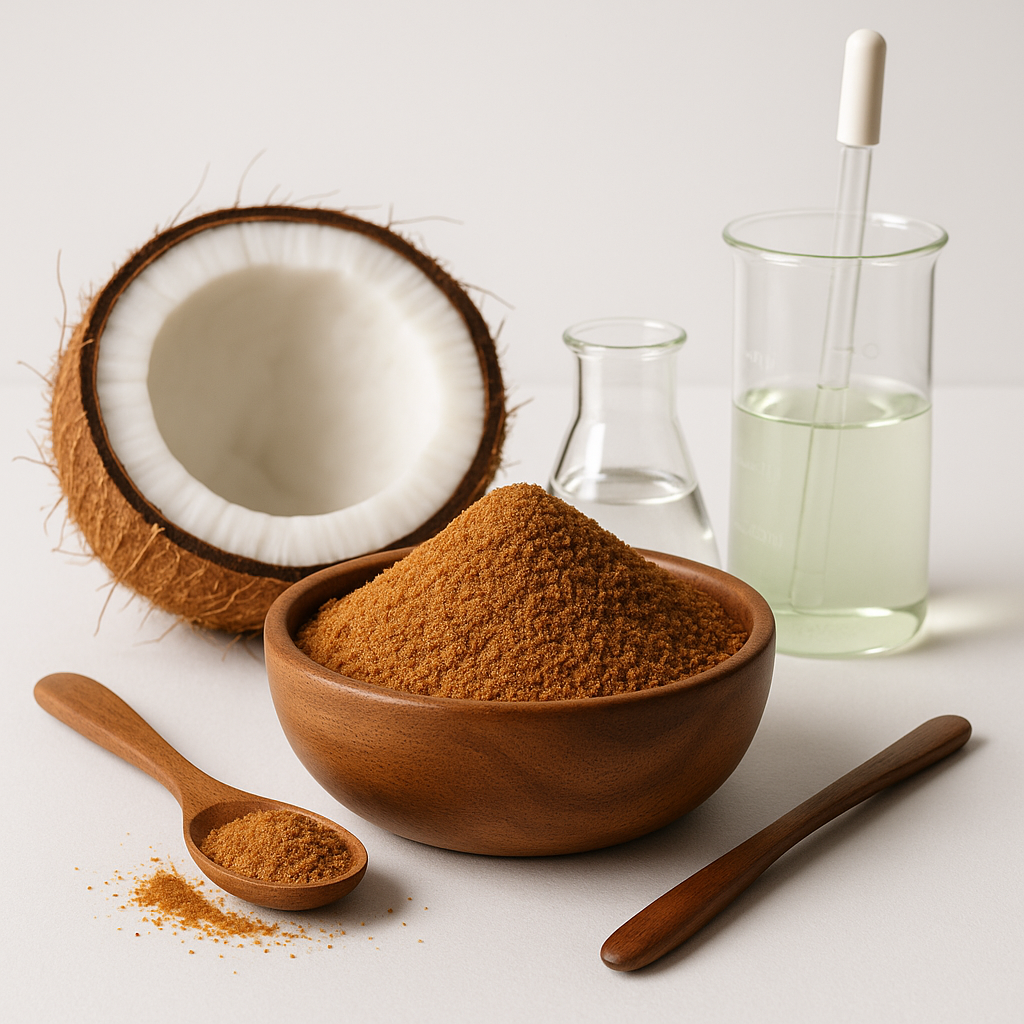
It’s easy to assume MCT oil is pure just because it looks clear and tastes neutral — but what’s actually in it? The Effect of Adsorbent Polishing (Bleaching Earth/Activated Carbon) on MCT Oil goes beyond appearance. This process targets pigments, trace metals, and oxidation byproducts that can affect shelf life and performance. Anyone relying on MCT oil for its clean energy boost should know what this step actually removes — and what it doesn’t.
It pulls out chlorophyll, carotenoids, and some polar contaminants through surface adsorption. But — and this is key — it won’t touch non-polar impurities or alter the core fatty acid profile. This kind of polishing is selective, not magical. The same caprylic and capric acids that went in are still there when it’s done.
And no, it doesn’t strip toxins like mycotoxins unless they’re polar enough to bind. The outcome also depends on dosage, temperature, and contact time. Some manufacturers over-polish, risking minor oil loss or altered clarity.
The real takeaway? Purity can’t be judged by color alone. This step shapes quality — but only within limits.
So, what’s this polishing business all about?
Ever seen “polished” listed on an MCT oil label and wondered what that actually means? It’s not about making the oil shiny. Polishing refers to using adsorbents like bleaching earth or activated carbon to clean up the oil after distillation. The effect is subtle but significant — removing unwanted compounds without altering the core structure of the medium-chain triglycerides.
The lowdown on bleaching earth and carbon
Bleaching earth isn’t just for show — it’s a type of clay that grabs pigments, soaps, and trace metals. Activated carbon, on the other hand, targets organic impurities and odors. Together, they act like a filter system that fine-tunes the oil. How well this works comes down to their combined ability to clean without compromising the oil’s functional integrity.
Why your MCT oil isn’t perfect right off the bat
Distillation gets things close, but it doesn’t catch everything. Trace compounds from the raw materials — like leftover fatty acids or oxidation byproducts — can linger. That slight off-color or faint smell? That’s what polishing fixes. The difference shows up in clarity, stability, and taste — small things that make a big difference in the final product.
Think of it like spring water — just because it’s distilled doesn’t mean it’s flawless. During processing, MCT oil can pick up tiny residues from equipment, or develop minor oxidation if exposed to air. These aren’t harmful at low levels, but they affect shelf life and sensory qualities. That’s where adsorbents step in. None of this is about reinventing the oil — it’s about refining what’s already there. The MCTs themselves don’t change; they just get a cleaner stage to perform on. And that makes all the difference when chasing purity. Ultimately, understanding the Effect of Adsorbent Polishing (Bleaching Earth/Activated Carbon) on MCT Oil defines the gap between industrial-grade and premium consumer-ready product.
Here’s what actually gets kicked to the curb
This kind of polishing is most visible when impurities vanish during refining. It’s not just about looks — this step pulls out real contaminants that affect quality. While some compounds stick around no matter what, others don’t stand a chance once the oil hits the adsorbent bed. The process targets specific offenders, quietly shaping the final product in ways that aren’t always visible… but are definitely tasted and smelled.
Saying goodbye to funky smells and colors
Off-putting hues and weird odors? Gone. Activated carbon specializes in mopping up the volatile compounds that can make MCT oil smell like it’s been sitting in a damp garage. This step hits hard on pigments and aroma-altering molecules, leaving behind a clean, neutral profile. It’s surprising that a powder can deodorize oil so completely, but it does.
Cleaning up those pesky trace metals and soaps
Residual catalysts and metal ions from processing don’t belong in the bottle — and thankfully, bleaching earth grabs them fast. This step includes removing soap residues and transition metals like iron or copper that can trigger oxidation. These invisible troublemakers won’t show up on a label, but they’ll wreck shelf life if left behind.
Trace metals sneak in during earlier refining stages, especially if caustic neutralization was used. Soaps — formed when free fatty acids react with alkali — can also linger if not fully separated. What’s easy to miss is that even tiny amounts of these substances act like little time bombs, accelerating rancidity through oxidative breakdown. Bleaching earth’s high surface area and ionic affinity make it perfect for trapping these residues. None of this is just cosmetic — it’s a critical defense against degradation. Without it, oil might look fine today but turn stale far too quickly. And that neutral taste everyone loves? It depends heavily on this cleanup phase doing its job right. Done properly, the Effect of Adsorbent Polishing (Bleaching Earth/Activated Carbon) on MCT Oil delivers purity that holds up batch after batch.

The real deal on what’s staying behind
Ever wonder what actually survives this kind of polishing? Not everything gets wiped out — some compounds are too tightly bound or chemically similar to the oil itself. Not every last molecule gets stripped out; the process is selective, and that selectivity protects what matters most in the final product.
Why your precious fatty acids are totally safe
The MCTs stay intact because adsorbent polishing targets impurities, not triglycerides. Medium-chain fatty acids come through untouched — they don’t bind well to bleaching earth or activated carbon. So even after treatment, the oil keeps its functional power and metabolic benefits exactly as nature (and science) intended.
The stubborn stuff that just won’t budge
Some contaminants laugh at bleaching earth and carbon. Things like certain oxidation byproducts or non-polar polymers don’t interact strongly with adsorbents. This kind of polishing can’t remove everything — especially molecules that mimic the oil’s own structure. That’s why refining doesn’t mean total purification.
Take peroxides, for example — they break down into secondary oxidation products like aldehydes and ketones, some of which are neutral and slip right past activated carbon. These compounds have low polarity and blend into the oil matrix, making them nearly invisible to adsorbents. Polishing reduces color and odor, but it won’t catch every degraded molecule. That’s why starting with fresh, well-stored feedstock matters so much. Poor quality at the source can’t be polished away. And honestly, no amount of bleaching earth will fix oil that’s already seen better days. This step is powerful — but it’s not magic. [source]
My take on the earth vs. carbon debate
There’s a back-and-forth online about bleaching earth versus activated carbon — which one wins? Truth is, research shows carbon’s strength in pulling out stubborn pigments and odors, but earth handles so much more bulk gunk. The real answer isn’t choosing — it’s combining. Polishing only hits its peak when both are in play.
Why I think you’ve got to use both for the best results
Skipping one leaves performance on the table. Bleaching earth grabs metals, phospholipids, and soaps — stuff carbon barely touches. Activated carbon, though, zaps off-color compounds and lingering volatiles that earth misses. Together, they cover the full spectrum. The full benefit only shows up when both agents do their job in sequence.
Which one’s the real MVP for your oil?
It depends on the starting material. If the MCT oil has a yellow tint or odd smell, activated carbon is the go-to. But if it’s cloudy or has trace contaminants from processing, bleaching earth pulls more weight. Neither works perfectly alone — synergy, not supremacy, drives purity here.
There’s no point getting hung up on picking a winner. Think of bleaching earth as the broad-spectrum cleanup crew and activated carbon as the precision detailer. One handles inorganic residues and bulk impurities, the other targets molecular-level discoloration and odor. Running MCT oil through both means refining at a deeper level, not just polishing. The Effect of Adsorbent Polishing (Bleaching Earth/Activated Carbon) on MCT Oil only shows in the clarity, stability, and neutrality of the final product. Skip either step, and it might not show right away… but the oil will tell on itself eventually.
Is it possible to polish your oil too much?
Yes, MCT oil really can be over-polished. This step isn’t always positive when pushed too far. Overuse of bleaching earth or activated carbon strips more than just impurities — it starts pulling out neutral components and can dull the oil’s natural character. Think of it like over-washing your face — clean skin, sure, but also irritation. Balance matters. For a deeper look at how extreme processing stacks up, this comparison between emerging and conventional methods is worth exploring. [source]
Seriously, don’t strip away the good vibes
Polishing doesn’t just remove contaminants — it can also scrub out subtle flavor notes and mouthfeel. Some compounds aren’t harmful, just characteristic. Over-polishing leaves the oil clean but bland, like filtered water that forgot it ever had minerals. Trust the palate here — sometimes a little personality is worth keeping.
What happens when you go a bit overboard
The oil loses more than color and odor — it starts giving up structural integrity. This step becomes counterproductive when excessive adsorbent use creates a stripped, flat profile. The result is something technically pure but sensorially hollow — like bleaching a colored shirt so many times it fades into ghost mode.
Pushing adsorbent levels too high doesn’t just target unwanted pigments or oxidation byproducts — it starts affecting medium-chain triglycerides themselves, especially under high heat or prolonged contact. Some studies suggest minor degradation or isomerization can occur, altering how the oil behaves in formulations. The effects might not be visible, but they’ll show up as poorer performance, lower stability, and a finish that lacks richness. The goal isn’t maximum removal — it’s smart removal. And that means knowing when to stop before the oil loses its character. The Effect of Adsorbent Polishing (Bleaching Earth/Activated Carbon) on MCT Oil should enhance, not erase.
Why this step is honestly a total game-changer
This isn’t just about cleaning MCT oil — it’s about transforming it. Polishing with bleaching earth and activated carbon goes way beyond surface-level fixes. It strips out pigments, soaps, trace metals, and oxidation byproducts that dull flavor and shorten shelf life. This isn’t a minor tweak; it’s the difference between oil that’s just okay and oil that performs at its peak. Once the clarity and stability it delivers becomes obvious, skipping it stops being an option.
Why it makes your oil look and feel way better
Ever poured MCT oil and noticed a yellow tint or cloudy haze? That’s gone after this step. It pulls out color bodies and gunk that mess with appearance. What’s left is crystal-clear, neutral-tasting oil that pours smoothly and blends invisibly. It feels cleaner on the palate — no aftertaste, no grit, just pure performance.
The real talk about how much this costs
Adding bleaching earth or activated carbon isn’t free. This step does bump up processing costs, especially when high-grade activated carbon gets used in large batches. But here’s the thing: that cost buys consistency, clarity, and consumer trust. Skimp here and the oil might pass tests, but it won’t impress eyes or taste buds.
Running this step at scale means factoring in media replacement, filtration labor, and disposal of spent earth. Some operators cut corners by reusing clay or reducing carbon dose — but that undercuts the entire point. It only works if done right. Spending a little more now beats risking returns, complaints, and reprocessing later. And the truth is, the Effect of Adsorbent Polishing (Bleaching Earth/Activated Carbon) on MCT Oil shows up most when nothing seems to happen at all — no color, no odor, no issues.
Where this leaves your oil
Polishing with bleaching earth and activated carbon plays out in real processing as a targeted cleanup — what gets pulled out, what stays behind. It goes after pigments, trace metals, and oxidation byproducts, leaving a cleaner, more stable oil. But it won’t touch free fatty acids or alter the core triglyceride structure. The result is improved appearance and shelf life, with the functional benefits left intact.
Nothing about the product gets chemically altered — it just gets refined. That selectivity is exactly why this step works so well, delivering purity without compromising performance. The Effect of Adsorbent Polishing (Bleaching Earth/Activated Carbon) on MCT Oil comes down to removing what shouldn’t be there while preserving everything that should. It’s a balancing act — one that separates premium MCT oil from the rest.