Table of Contents
Over time, you’ve likely noticed variations in coconut sugar. You will find pH buffering in coconut sugar plays a key role. You can understand how pH buffering in coconut sugar, through its minerals and organic acids, impacts both sweetness perception and browning rate. You will see how pH buffering in coconut sugar influences your culinary results. You’ll grasp the science of pH buffering in coconut sugar.
The mineral composition of coconut sugar provides significant buffering capacity that distinguishes it from refined alternatives. According to a comprehensive nutritional profile review published in PMC, coconut sugar contains substantial concentrations of potassium (up to 1,030 mg/100g), magnesium (29 mg/100g), and calcium (6 mg/100g), which form weak coordination complexes with organic acids present in the palm sap matrix. These mineral salts contribute to pH stabilization during thermal processing, directly influencing both the rate of non-enzymatic browning reactions and the perception of sweetness intensity in finished products.
Chemical characterization studies demonstrate the critical role of these minerals in buffering systems. Research detailed in a PubMed-indexed chemical analysis of coconut sugar identified specific organic acid profiles including acetic, malic, and citric acids that function as reversible proton donors and acceptors in equilibrium with the mineral cations. The study confirmed that this natural buffering capacity maintains pH values between 5.8 and 6.3 during standard processing temperatures, a range that significantly modulates the nucleophilicity of amino groups involved in Maillard reaction pathways and subsequent melanoidin formation.
Quality control protocols for coconut sugar increasingly reference standardized color grading systems that correlate directly with pH-mediated browning kinetics. The International Commission for Uniform Methods of Sugar Analysis (ICUMSA) provides internationally recognized sugar analysis standards including spectrophotometric methods at 420 nm wavelength for measuring browning intensity, which manufacturers use to monitor how mineral-buffered pH affects the progression of Amadori rearrangement products and final product color specifications required by European and North American importers.
Mineral-Mediated pH Stabilization in Coconut Sugar Matrices
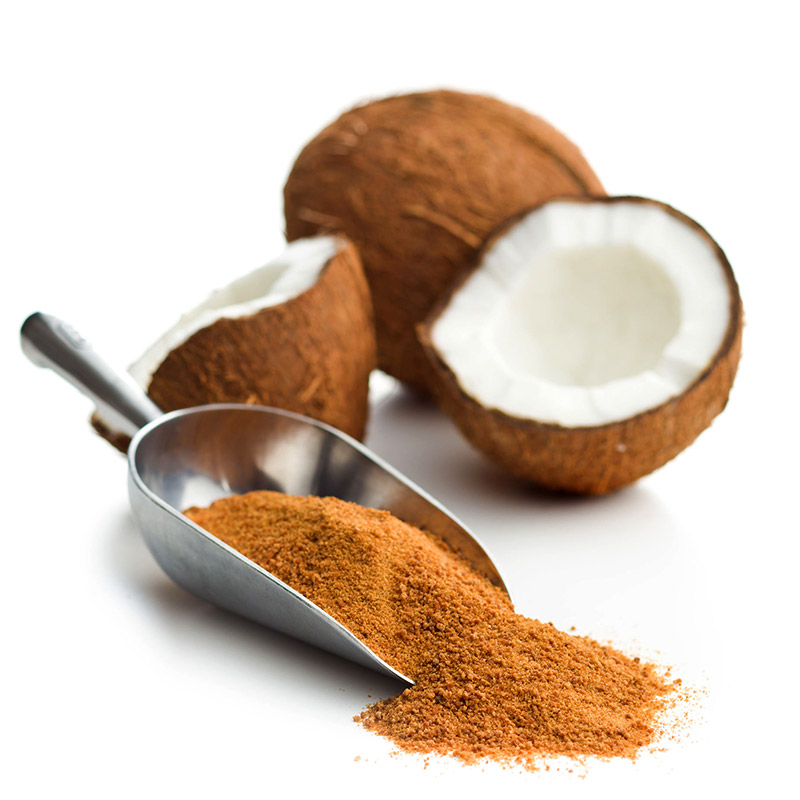
You find the presence of various minerals plays a key role in the pH buffering in coconut sugar. These inorganic compounds, acting as natural buffers, resist drastic pH changes during processing. This stability directly impacts the sugar’s sweetness perception and browning rate, showcasing the importance of pH buffering in coconut sugar.
Concentrations of Potassium, Magnesium, and Calcium Ions in Palm Sap
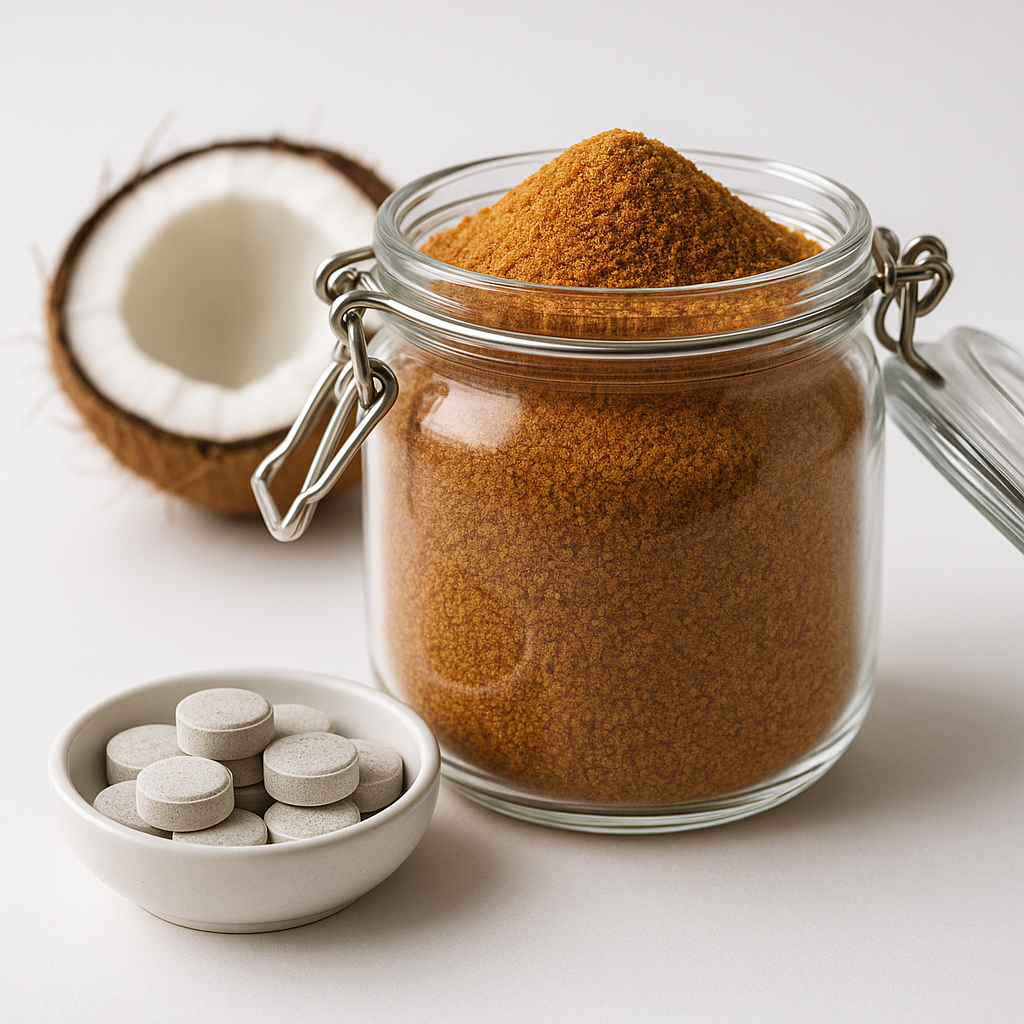
Abundant potassium, magnesium, and calcium ions exist within palm sap. These cations contribute significantly to the overall mineral profile. Their concentrations directly influence the effectiveness of pH buffering in coconut sugar, affecting both taste and appearance.
Formation of Weak Coordination Complexes with Sap-Derived Organic Acids
Minerals readily form weak coordination complexes with organic acids present in the sap. These complexes act as effective buffering agents. Such interactions are central to the pH buffering in coconut sugar, stabilizing its inherent acidity.
These weak coordination complexes are dynamic structures. You observe the metal ions, like potassium or magnesium, reversibly binding to the carboxyl or hydroxyl groups of organic acids such as malic or citric acid. This constant association and dissociation allows the system to absorb excess protons or release them as needed, effectively maintaining a stable pH environment. This intricate dance between minerals and organic acids is a cornerstone of the natural pH buffering in coconut sugar, influencing everything from enzymatic activity to the final product’s hue.
Control of Amino Group Ionization and Carbonyl Reactivity in Reducing Sugars
The buffering capacity directly controls the ionization state of amino groups in proteins and the reactivity of carbonyls in reducing sugars. This regulation is critical for preventing undesirable reactions. You see this as another aspect of pH buffering in coconut sugar.
Amino groups within proteins, especially those present in trace amounts, can undergo protonation or deprotonation depending on the pH. A stable pH, maintained by the mineral-organic acid complexes, ensures these amino groups remain in a state that limits their participation in unwanted side reactions. Similarly, the reactivity of carbonyl groups in reducing sugars like fructose and glucose is highly pH-dependent.
At certain pH values, these carbonyls become more susceptible to nucleophilic attack, initiating browning reactions. By maintaining an optimal pH range, the natural pH buffering in coconut sugar mitigates excessive carbonyl reactivity, thus slowing down the Maillard reaction and preserving the sugar’s lighter color and desired flavor profile.
Organic Acid Profiles and Their Role in Proton Exchange Systems
You find various organic acids in coconut sugar, each contributing to its unique pH buffering capacity. These acids, through proton exchange systems, directly influence the overall acidity and stability of the sugar, impacting both sweetness perception and browning rates. Understanding these profiles is key to comprehending pH Buffering in Coconut Sugar.
Equilibrium Dynamics of Acetic, Malic, and Citric Acid Concentrations
You observe a delicate balance among acetic, malic, and citric acid concentrations in coconut sugar. These acids exist in dynamic equilibrium, constantly exchanging protons, which directly impacts the pH Buffering in Coconut Sugar and its ability to resist pH changes.
Carboxylic Acid Groups as Reversible Proton Donors and Acceptors
Each organic acid features carboxylic acid groups. These groups act as reversible proton donors and acceptors, playing a central role in the pH buffering mechanism within coconut sugar. This reversible action is fundamental to pH Buffering in Coconut Sugar.
These carboxylic acid groups, characterized by their -COOH structure, readily donate a proton (H+) when the surrounding solution becomes too alkaline, effectively lowering the pH. Conversely, they can accept a proton if the solution becomes too acidic, raising the pH. This continuous exchange and acceptance of protons by the carboxylic acid groups are what give coconut sugar its remarkable pH buffering capacity, influencing everything from flavor stability to shelf life.
pKa Value Influence on Nucleophilicity and Non-Enzymatic Browning
The pKa values of these organic acids significantly affect their nucleophilicity. This influence directly impacts non-enzymatic browning reactions, making pKa values a critical factor in understanding pH Buffering in Coconut Sugar and its culinary applications.
You see that a lower pKa value indicates a stronger acid, meaning it more readily donates protons. This increased proton donation can alter the nucleophilicity of other molecules present in the coconut sugar, such as amino acids. Changes in nucleophilicity can accelerate or inhibit Maillard reactions, the primary drivers of non-enzymatic browning. Therefore, the specific pKa values of the organic acids found in coconut sugar are not just theoretical numbers; they are practical indicators of how quickly your coconut sugar will brown during cooking or storage, directly linking back to the principles of pH Buffering in Coconut Sugar.
pH-Dependent Sweetness Modulation Through Taste Receptor Interaction
You perceive sweetness through taste receptors, and pH significantly influences their function. The complex interplay of pH buffering in coconut sugar directly impacts how these receptors bind sweet molecules, altering your perception of sweetness. This mechanism explains why coconut sugar’s unique mineral profile affects its taste.
Protonation States of T1R2 and T1R3 Sweet Taste Receptors
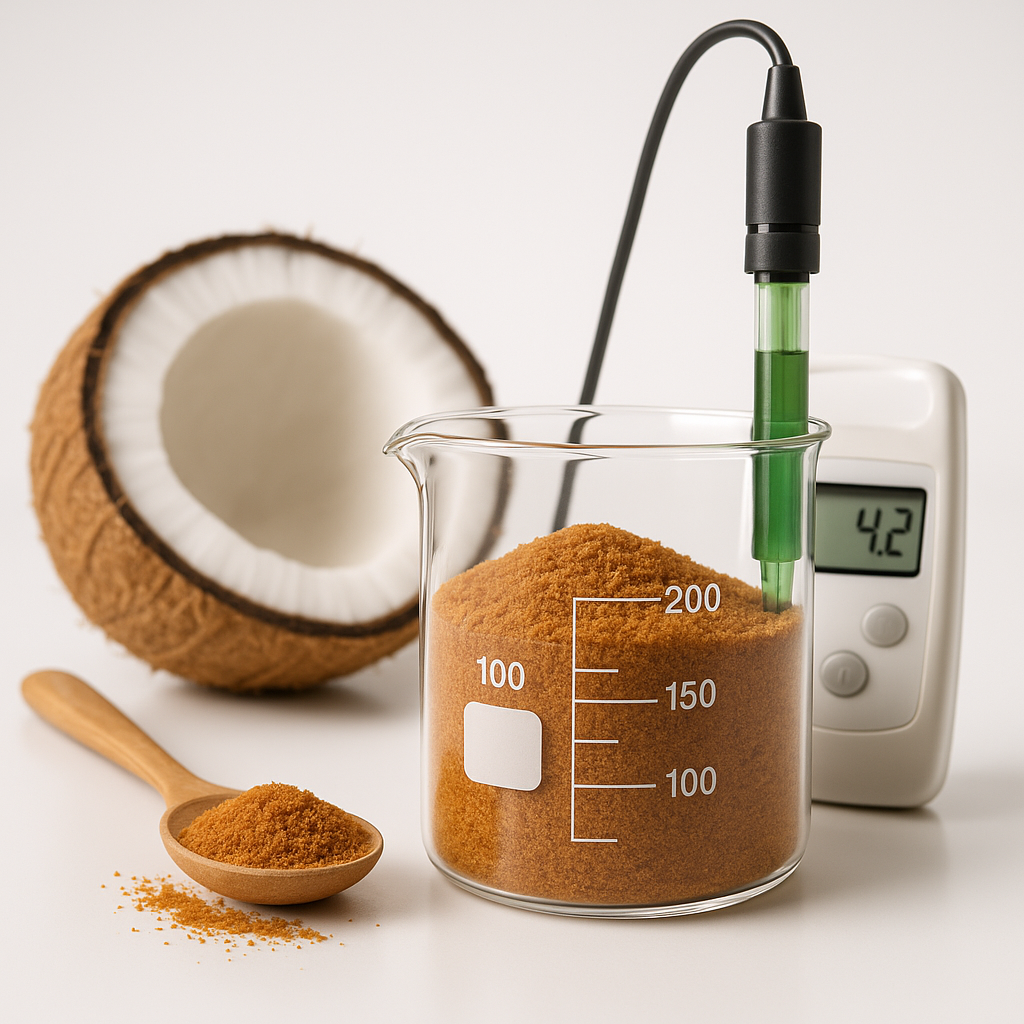
The T1R2 and T1R3 sweet taste receptors, crucial for sweetness detection, possess specific amino acid residues. Their protonation states, directly governed by pH, dictate the receptor’s conformation and binding affinity for sweet compounds. This directly impacts your perception of sweetness.
Mineral Sequestration of Protons to Reduce Acidic Masking Effects
Minerals present in coconut sugar actively sequester protons, effectively reducing the overall acidity. This action diminishes the acidic masking effect, allowing your sweet taste receptors to bind more efficiently. The pH buffering in coconut sugar plays a key role here.
You might wonder how this proton sequestration works. Many minerals, particularly calcium and magnesium, act as bases. They readily accept protons (H+ ions) from the solution. By binding these protons, the minerals prevent them from interacting with your taste receptors in a way that would suppress sweetness. This subtle yet powerful interaction contributes to the distinct sweetness profile of coconut sugar, where the natural mineral content actively enhances the perceived sweetness by mitigating sour notes.
Cation-Induced Bitterness Suppression and Sweetness Enhancement
Cations within coconut sugar can suppress bitterness and enhance sweetness perception. These charged ions interact with taste receptors, modifying their sensitivity and improving the overall sweet experience. This contributes to the effectiveness of pH buffering in coconut sugar.
These cations, such as potassium and sodium, interact directly with taste receptor proteins. They can bind to specific sites on these receptors, altering their conformation in a way that reduces the binding of bitter compounds and simultaneously increases the affinity for sweet molecules. This dual action means that not only is the unpleasant bitterness diminished, but the pleasant sweetness is amplified, creating a more balanced and enjoyable flavor profile. This intricate chemical ballet highlights the importance of the natural mineral content in coconut sugar.
Acceleration of Maillard Browning Kinetics at Elevated pH
You understand how pH influences chemical reactions, and coconut sugar is no exception. A higher pH significantly accelerates the Maillard reaction, the complex series of reactions responsible for both the delightful browning and the nuanced flavors in your coconut sugar. The delicate balance of pH buffering in coconut sugar directly impacts this rate.
Alkaline Enhancement of Amino Acid Nucleophilicity
Elevated pH deprotonates amino acid groups, increasing their nucleophilicity. This makes them more reactive with reducing sugars. You see a quicker initial reaction, directly impacting the pH buffering in coconut sugar’s final characteristics.
Spectrophotometric Analysis of Browning Intensity at 420 nm
Measuring browning intensity at 420 nm quantifies Maillard reaction progression. This wavelength specifically captures the formation of colored compounds. You can accurately track the impact of pH buffering in coconut sugar on browning.
This technique provides a precise, objective measure of the visible browning that develops. You can establish a direct correlation between the coconut sugar’s pH and the extent of melanoidin formation, offering clear data on how pH buffering in coconut sugar affects color development.
Progression of Amadori Rearrangement and Melanoidin Formation
Increased pH accelerates Amadori rearrangement, a key intermediate step. This leads to faster production of advanced glycation end products and melanoidins. You observe more rapid color and flavor development in your coconut sugar.
The Amadori rearrangement is a critical step where the initial Schiff base adduct transforms into a more stable ketosamine. A higher pH environment facilitates this transformation, pushing the reaction cascade towards the formation of a wider array of melanoidins. These complex, nitrogen-containing polymers are primarily responsible for the dark brown coloration and many of the desirable, complex flavors associated with browned coconut sugar. The efficiency of pH buffering in coconut sugar directly governs this progression.
Phosphate and Carbonate Buffer Contributions from Mineral Salts
You find significant contributions to pH buffering in coconut sugar from its inherent mineral salts. These inorganic compounds, primarily phosphates and carbonates, establish a foundational buffering capacity. This natural inorganic buffering system helps stabilize the sugar’s pH, influencing both its taste and how it browns.
Inorganic Buffering via H₂PO₄⁻/HPO₄²⁻ and HCO₃⁻/CO₃²⁻ Species
Mineral salts in coconut sugar offer inorganic buffering through phosphate (H₂PO₄⁻/HPO₄²⁻) and carbonate (HCO₃⁻/CO₃²⁻) species. These systems effectively resist pH changes, playing a key role in the overall pH buffering in coconut sugar. You will notice their immediate impact on stability.
High-Range pH Stability During High-Temperature Processing (100-115°C)
High-temperature processing, often reaching 100-115°C, demands exceptional pH stability. The mineral buffers in coconut sugar are particularly adept at maintaining pH in this range. Their resilience prevents unwanted reactions, preserving the sugar’s quality and preventing excessive browning.
Processing coconut sugar at elevated temperatures, typically between 100-115°C, places considerable stress on its pH. The inherent inorganic buffers, particularly phosphates and carbonates, become indispensable during these stages. They work to mitigate drastic pH shifts that could otherwise lead to accelerated Maillard reactions and caramelization, altering the final product’s color and flavor profile. This high-range pH stability is a critical factor in producing consistently high-quality coconut sugar with desirable characteristics.
High-Temperature pH Stability Mechanisms
| Mechanism | Impact on Coconut Sugar pH Buffering |
| :———————— | :——————————————————————— |
| Phosphate Buffering | Effectively neutralizes acids or bases formed at high temperatures. |
| Carbonate Buffering | Provides additional buffering capacity, especially at higher pH ranges. |
Synergistic Interactions Between Inorganic and Organic Buffer Systems
You observe a remarkable synergy between the inorganic mineral buffers and the organic acids present in coconut sugar. This combined buffering capacity provides comprehensive pH buffering in coconut sugar. The interaction ensures greater stability than either system could achieve alone.
The buffering capacity of coconut sugar is not solely dependent on its inorganic mineral salts; a powerful synergy exists with its organic acid content. While the inorganic buffers provide a foundational stability, the organic acids, such as acetic and malic acid, contribute significantly to finer pH control across a broader range. This combined effect creates a more robust and adaptable pH buffering system, enabling the coconut sugar to withstand various processing conditions and storage challenges without significant pH fluctuations. This integrated approach to pH buffering in coconut sugar is crucial for maintaining its sensory attributes and reducing browning.
Metal Ion Catalysis of Sugar Degradation and Caramelization
You’ve seen how pH buffering in coconut sugar influences sugar stability. Metal ions, even in trace amounts, significantly accelerate sugar degradation and caramelization, impacting both color and flavor. Their catalytic activity shifts the delicate balance of reactions, contributing to the unique profile of coconut sugar.
Divalent Cations as Lewis Acids in Carbonyl Coordination
Many divalent cations act as Lewis acids, coordinating with carbonyl oxygen atoms in sugars. This interaction effectively pulls electron density, setting the stage for faster reactions. The presence of these ions directly impacts pH buffering in coconut sugar.
Polarization of C=O Bonds and Increased Electrophilic Susceptibility
This coordination by metal ions polarizes the C=O bonds within sugar molecules. The carbonyl carbon becomes more electrophilic, making it highly susceptible to nucleophilic attack. This enhanced reactivity drives browning and flavor development, directly influencing the sweetness perception of coconut sugar.
The increased electrophilic nature of the carbonyl carbon means that water molecules or other nucleophiles present in the coconut sugar matrix can more readily attack these sites. This initiates a cascade of reactions, including dehydration and rearrangement, which are characteristic of caramelization and contribute to the complex flavor profile you experience. Understanding this mechanism is key to appreciating the subtle role of pH buffering in coconut sugar.
Solubilization of Catalytic Metals in Buffered Environments
Buffered environments, like those found in coconut sugar, can influence the solubility of these catalytic metal ions. This solubility directly affects their availability to participate in degradation reactions. You’ll find that the specific buffering capacity determines how many active metal ions are present.
The organic acids and mineral compounds contributing to pH buffering in coconut sugar often form complexes with metal ions, keeping them in solution and available for catalysis. A higher buffering capacity can sometimes mean a greater solubilization of these metals, leading to more pronounced browning and flavor changes. This intricate interplay highlights the importance of pH buffering in coconut sugar.
Antioxidant Compound Generation Linked to pH-Controlled Browning
The browning reactions in coconut sugar, influenced by its pH buffering, do more than just change color. These processes actively create beneficial antioxidant compounds. You can explore how the Effect of pH and temperature on browning intensity directly impacts this generation, shaping the sugar’s final properties.
Correlation Between Melanoidin Formation and DPPH Radical Scavenging
You will find that melanoidins, formed during browning, are potent antioxidants. Their presence directly correlates with increased DPPH radical scavenging activity in coconut sugar, a testament to effective pH buffering.
Optimization of Phenolic Content Through Alkaline Processing
Alkaline conditions, achieved through careful pH buffering in coconut sugar, can significantly boost phenolic content. This strategic adjustment enhances the sugar’s overall antioxidant capacity.
Considering the delicate balance, you can strategically adjust the pH of your coconut sugar during processing. Raising the pH slightly towards alkaline conditions initiates specific Maillard reactions that favor the formation of polyphenols, powerful antioxidants. This targeted approach in pH buffering effectively maximizes the nutritional benefits.
Monitoring 5-Hydroxymethylfurfural (HMF) Levels in Buffered Systems
You must carefully monitor 5-Hydroxymethylfurfural (HMF) levels. While browning generates antioxidants, excessive HMF, which forms under specific pH buffering conditions, is undesirable.
Controlling HMF formation is critical for quality. High temperatures and acidic environments, even with initial pH buffering in coconut sugar, can lead to elevated HMF. You can minimize HMF by optimizing processing temperatures and maintaining a slightly alkaline pH, ensuring a healthier, sweeter product. This careful pH buffering in coconut sugar is key.
Comparative Analysis of Coconut Sugar vs. Refined Sweeteners
Key Differences
| Feature | Description |
| :———- | :———- |
| pH Buffering | Coconut sugar possesses natural pH buffering capacity. |
| Mineral Content | Contains various minerals, impacting flavor and browning. |
| Organic Acids | Contributes to acidity and flavor complexity. |
| Sweetness Profile | Offers a nuanced, less abrupt sweetness. |
| Browning Rate | Influenced by mineral content and pH. |
Lack of Buffering Capacity in Highly Refined Sucrose Matrices
Refined sweeteners, primarily sucrose, lack inherent pH buffering. Their processing removes minerals and organic acids, leaving a pure sugar with minimal pH stability. This absence impacts browning reactions and overall flavor development.
Differences in Sweetness “Spike” and Temporal Flavor Profiles
You experience a distinct sweetness “spike” with refined sugars. This abrupt onset and rapid dissipation occur due to their singular carbohydrate composition. Coconut sugar, however, provides a more gradual and sustained sweetness.
Your palate perceives a longer-lasting, more complex flavor with coconut sugar. The presence of various sugars, minerals, and organic acids contributes to this extended temporal profile. You will notice subtle caramel or nutty undertones that evolve as the sweetness lingers.
Impact of Residual Ash Content on pH Stability and Sensory Depth
Residual ash content, rich in minerals, directly influences pH buffering in coconut sugar. These minerals act as natural buffers, resisting pH changes. This stability affects how quickly and evenly browning reactions occur.
You will find that the mineral content, reflected in ash, contributes significantly to the sensory depth of coconut sugar. These trace elements, alongside organic acids, create a more complex flavor profile than refined sugars. This complex interplay of components is central to the pH buffering in coconut sugar. This inherent pH buffering in coconut sugar is key to its unique characteristics. The robust pH buffering in coconut sugar directly influences its performance.
Thermal Stability and Degradation of Organic Acid Buffers
You might wonder how organic acid buffers in coconut sugar withstand heat. High temperatures can break down these acids, influencing the overall Effect of pH and temperature on browning intensity of…. This degradation impacts the pH Buffering in Coconut Sugar, affecting both taste and color.
Critical Temperature Thresholds for Malic and Citric Acid Breakdown
Organic Acid Thermal Stability
| Acid | Degradation Onset |
| :—- | :—————- |
| Malic | ~150°C |
| Citric| ~175°C |
You’ll find malic and citric acids, key to pH Buffering in Coconut Sugar, have distinct thermal breakdown points. These thresholds determine how much buffering capacity remains during processing.
Resilience of Inorganic Mineral Salts Under Extreme Heat Conditions
You’ll notice inorganic mineral salts exhibit remarkable stability. These minerals, unlike organic acids, generally resist degradation even at very high temperatures. Their enduring presence contributes significantly to the long-term pH Buffering in Coconut Sugar.
These mineral salts, such as potassium and magnesium carbonates, maintain their buffering capacity even when exposed to intense heat during sugar production or cooking. Their inherent thermal stability means they continue to neutralize acids and stabilize the pH, playing a critical role in the overall pH Buffering in Coconut Sugar and influencing the final product’s characteristics.
Secondary Effects of Thermal Degradation Products on Matrix pH
You should consider the byproducts of organic acid breakdown. These new compounds can themselves alter the matrix pH, further impacting the pH Buffering in Coconut Sugar and browning reactions.
When malic or citric acids degrade, they can form smaller, often more acidic, compounds. These newly formed substances can then contribute to the overall acidity of the coconut sugar matrix, potentially shifting the pH and influencing subsequent chemical reactions, including those responsible for flavor development and the rate of browning.
Industrial Applications: Controlling Browning in Food Processing
Controlling browning in food processing is a key application for understanding pH buffering in coconut sugar. You can manage desired color development and flavor profiles in various food products by carefully considering the sugar’s buffering capacity. Research on the Effect of pH and temperature on browning intensity offers valuable insights for industrial optimization.
Optimizing Heating Profiles Based on Mineral Buffer Thresholds
You can tailor heating processes by understanding the specific mineral buffer thresholds within coconut sugar. This approach minimizes undesirable browning, preserving the product’s intended appearance and taste. Optimizing these profiles directly impacts final product quality.
Managing Maillard Kinetics in Confectionery and Bakery Formulations
You can fine-tune Maillard reactions in your confectionery and bakery items using the pH buffering in coconut sugar. This allows for precise control over color and flavor development, achieving consistent, desirable results.
Manufacturers can achieve specific browning intensities and flavor notes by carefully integrating coconut sugar into recipes. The natural pH buffering in coconut sugar offers a unique advantage, providing a built-in mechanism to influence the speed and extent of Maillard reactions. This level of control is invaluable for producing consistent, high-quality products.
Utilizing Natural Buffers to Replace Synthetic pH Regulators
You can replace synthetic pH regulators in your formulations with the natural pH buffering in coconut sugar. This offers a clean-label solution, meeting consumer demand for more natural ingredients while maintaining product stability.
This strategy enhances product appeal by reducing the need for artificial additives. The inherent pH buffering in coconut sugar provides a natural alternative, simplifying ingredient lists and aligning with clean-label trends. You gain a distinct market advantage by embracing this natural approach.
Sensory Evolution: Balancing Bitterness, Acidity, and Sweetness
Discovering the intricate interplay between bitterness, acidity, and sweetness is key to understanding coconut sugar’s unique profile. You can appreciate how pH buffering in coconut sugar, influenced by its mineral and organic acid composition, directly shapes the final sensory experience, impacting both flavor and browning.
Suppression of Bitterness via Magnesium and Potassium Ion Interaction
Your perception of bitterness can be significantly altered by the presence of specific ions. Magnesium and potassium ions, abundant in coconut sugar, actively interact to suppress undesirable bitter notes, creating a smoother taste.
Development of Complex Caramel and Umami Flavor Notes
You will notice the subtle emergence of deeper flavor dimensions in coconut sugar. The unique pH buffering in coconut sugar facilitates Maillard reactions, leading to desirable caramelization and umami notes.
This complex flavor development goes beyond simple sweetness. The controlled pH environment, maintained by the natural buffers in coconut sugar, allows amino acids and reducing sugars to react precisely, forming a rich palette of pyrazines, furans, and other flavor compounds. These molecules contribute to the distinct toasted, nutty, and savory characteristics that distinguish coconut sugar from other sweeteners.
Consumer Preference Mapping for pH-Stabilized Natural Sweeteners
You can gain insight into consumer desires by analyzing preference mapping studies. These studies reveal how pH buffering in coconut sugar directly influences consumer acceptance and preference for its unique taste and browning characteristics.
Understanding consumer preferences for pH-stabilized natural sweeteners involves more than just measuring sweetness intensity. Researchers map sensory attributes like acidity, bitterness, and the presence of caramel or umami notes against consumer liking scores. This data helps producers fine-tune the processing of coconut sugar to consistently deliver the most appealing flavor profile, leveraging the inherent pH buffering in coconut sugar for optimal results.
Final Words
Following this, you now appreciate how pH buffering in coconut sugar directly influences both its sweetness perception and browning rate. You understand that minerals and organic acids are key players in pH buffering in coconut sugar. You can see how this knowledge of pH buffering in coconut sugar allows for targeted adjustments during production. Your understanding of pH buffering in coconut sugar will undoubtedly lead to improved product quality, ensuring a consistent and desirable consumer experience regarding the pH buffering in coconut sugar.