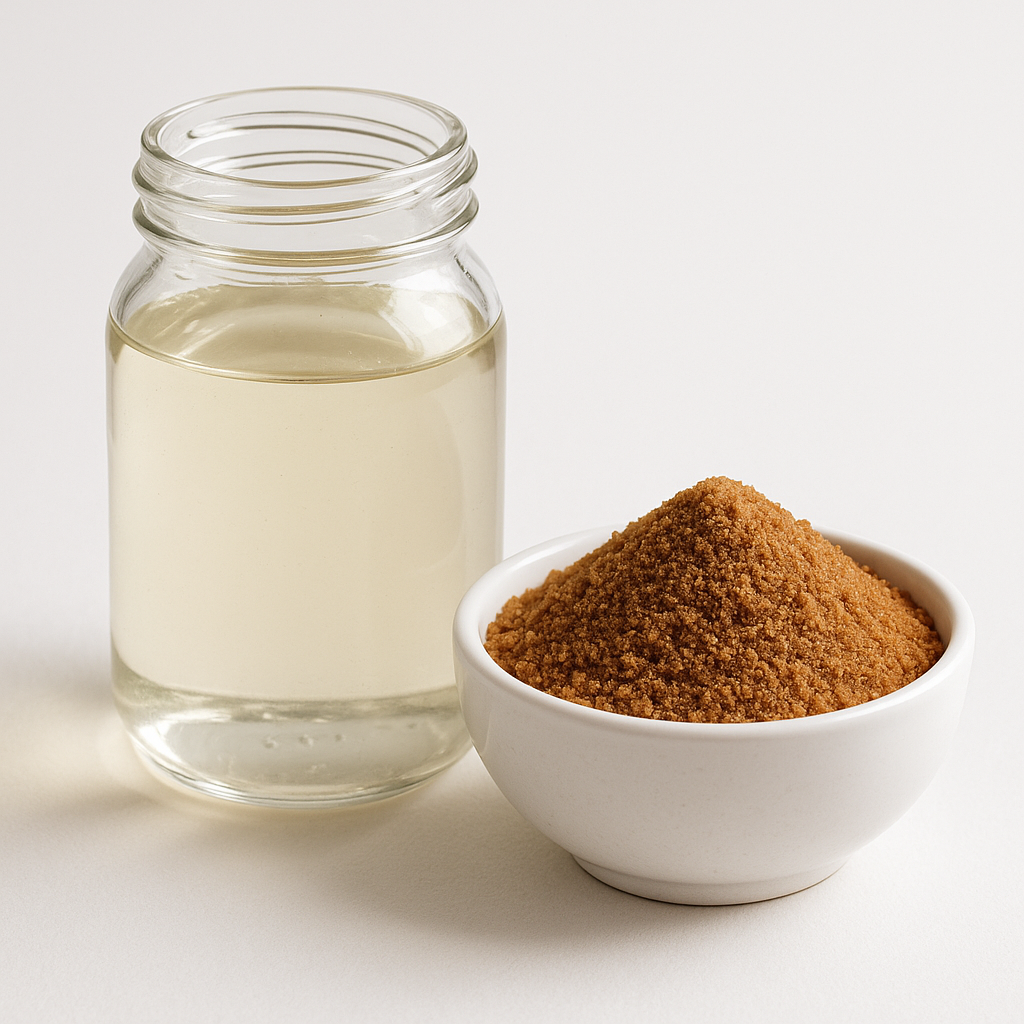
Choosing the right carrier or functional ingredient can make a significant difference in fragrance formulation. Perfumers and cosmetic manufacturers often evaluate materials based on odor, stability, skin compatibility, texture, oxidation behavior, and how consistently they perform from batch to batch. This is where coconut oil for perfume can become relevant for certain fragrance and personal-care applications.
Coconut oil is a plant-derived triglyceride oil with a distinctive fatty-acid profile. However, not every coconut oil has the same characteristics. Refined grades, including RBD coconut oil, can offer a more neutral profile than less-refined oils, making them potentially more suitable when the formulation requires minimal interference with the fragrance profile.
For B2B buyers, the important question is not simply whether coconut oil can be used in perfume. Instead, formulators should determine which grade, specification, and processing quality best match the intended fragrance application.
What Is Coconut Oil Used for in Perfume?
Coconut oil can serve several functional roles in fragrance-related formulations, particularly where an oil-based medium or emollient is required.
Its potential functions include:
- Carrier or diluent in selected oil-based fragrance products
- Emollient in personal-care formulations
- Base oil for certain fragrance and body-care products
- Ingredient in cosmetic preparations containing fragrance
- Functional lipid component in broader personal-care formulations
However, traditional alcohol-based perfumes usually rely on ethanol as the primary solvent system. Coconut oil therefore should not automatically be viewed as a direct replacement for ethanol.
Instead, its usefulness depends on the product format.
For example, a manufacturer developing an oil-based perfume, fragrance balm, scented body oil, or cosmetic product may evaluate coconut oil differently from a company producing a conventional eau de parfum.
Why Refined Coconut Oil Can Matter
When fragrance is the primary sensory experience, the base material should not introduce an unwanted odor or color.
Refining can significantly influence the characteristics of coconut oil. RBD coconut oil undergoes refining, bleaching, and deodorization processes designed to produce a cleaner and more consistent ingredient.
For formulators, this can provide several practical advantages.
More Neutral Sensory Characteristics
Unrefined coconut oil can have a recognizable coconut aroma. That may work well in some natural or tropical concepts, but it can interfere with delicate fragrance compositions.
A refined grade can provide a more neutral starting point.
This is particularly relevant for fragrances containing floral, woody, citrus, powdery, or other notes where the formulator wants tighter control over the final aroma.
Consistent Appearance
Color can also influence the appearance of an oil-based fragrance or cosmetic product.
A lighter, cleaner oil can make it easier to maintain a consistent visual profile, especially when the finished product has a transparent or lightly colored appearance.
Coconut Oil for Perfume vs. Traditional Fragrance Solvents
One of the most important considerations is understanding the role of coconut oil within the formulation.
Traditional fine fragrances commonly use ethanol because it efficiently dissolves many aromatic ingredients and evaporates relatively quickly after application.
Coconut oil behaves differently.
It is a nonvolatile lipid, so it remains on the skin rather than evaporating like alcohol. Consequently, it can contribute to a different sensory experience and may influence how fragrance materials are released.
This distinction means formulators should evaluate coconut oil based on the desired product format rather than treating it as a universal perfume solvent.
For example:
Alcohol-based perfume: typically prioritizes volatility, rapid evaporation, and fragrance diffusion.
Oil-based fragrance: may prioritize skin feel, persistence, low volatility, and an emollient base.
The formulation strategy should therefore start with the final product concept.
How Coconut Oil Can Affect Fragrance Performance
The carrier system can influence the way fragrance materials behave after application.
Because coconut oil has low volatility compared with ethanol, an oil-based fragrance may produce a different evaporation curve.
Fragrance Longevity
A nonvolatile oil can remain on the skin longer than a highly volatile solvent. Depending on the fragrance composition, this may influence perceived longevity.
However, longer persistence does not automatically mean stronger fragrance projection.
A fragrance can remain detectable for an extended period while producing less initial diffusion than an alcohol-based formulation.
Therefore, manufacturers should evaluate:
- Initial fragrance impact
- Skin feel
- Dry-down behavior
- Fragrance persistence
- Compatibility with fragrance materials
- Consumer sensory expectations
Actual performance will depend on the complete formulation rather than coconut oil alone.
Choosing the Right Coconut Oil Grade
Not all coconut oil is equally appropriate for fragrance-related applications.
B2B buyers should define the required specification before selecting a supplier.
Important parameters may include:
- Refinement level
- Odor
- Color
- Free fatty acid content
- Moisture and impurities
- Melting behavior
- Oxidative stability
- Consistency between batches
- Regulatory documentation
For manufacturers evaluating coconut oil as an ingredient, OilCocos provides information about its coconut-based product portfolio and B2B supply capabilities.
RBD coconut oil may be particularly relevant where manufacturers require a refined ingredient with controlled sensory characteristics.
Melting Point and Formulation Behavior
Coconut oil has a relatively distinctive melting behavior compared with many liquid vegetable oils.
Depending on the grade and temperature, coconut oil can shift between a liquid and more solid state. This characteristic matters when developing fragrance oils, balms, creams, solid perfumes, or other products exposed to changing temperatures.
A formulation that remains liquid in a warm manufacturing environment may become cloudy or partially solidified under cooler conditions.
Consequently, formulators should evaluate the product under realistic:
- Storage temperatures
- Transportation conditions
- Filling temperatures
- Consumer-use temperatures
- Seasonal conditions
This becomes especially important for international B2B supply chains where products may experience different climates.
Compatibility With Fragrance Ingredients
Before commercial production, formulators should assess the compatibility between coconut oil and the fragrance composition.
A fragrance formulation can contain numerous aromatic substances with different polarity, solubility, volatility, and stability characteristics.
Therefore, compatibility testing should consider:
Solubility
The fragrance materials should remain appropriately dispersed or dissolved in the selected carrier system.
If certain components separate, crystallize, or create haze, the formulation may require adjustment.
Odor Interaction
The base oil should complement rather than overpower the intended fragrance.
For delicate compositions, a low-odor refined coconut oil may be preferable to an oil with a strong natural coconut aroma.
Stability
The finished formulation should undergo stability evaluation under appropriate conditions.
Manufacturers can monitor changes in:
- Odor
- Color
- Clarity
- Phase separation
- Texture
- Packaging compatibility
Testing should reflect the intended shelf life and distribution environment.
Coconut Oil in Oil-Based Perfume Products
Oil-based perfume formats can include perfume oils, roll-ons, fragrance balms, scented body oils, and selected personal-care products.
In these applications, the carrier contributes directly to the consumer experience.
A suitable oil should provide an acceptable skin feel while allowing the fragrance composition to perform as intended.
Coconut oil can therefore be considered alongside other cosmetic oils and emollients during formulation development.
However, product developers should not assume that one carrier works equally well for every fragrance family.
Citrus-heavy compositions, floral blends, woody fragrances, and gourmand profiles can behave differently depending on their aromatic components and concentration.
Quality Specifications B2B Buyers Should Request
A fragrance manufacturer should establish a technical specification before approving a coconut oil supplier.
A useful supplier document package may include:
- Product specification sheet
- Certificate of Analysis
- Odor and color specification
- Free fatty acid specification
- Moisture and impurity parameters
- Relevant food or cosmetic certifications
- Manufacturing information
- Batch traceability
- Packaging specifications
- Storage recommendations
For buyers comparing suppliers, the B2B coconut oil buying guide provides additional considerations for evaluating coconut oil quality and supplier capabilities.
Supplier consistency matters because fragrance manufacturers need predictable raw materials across production batches.
Hydrogenated Coconut Oil for Fragrance Applications
Hydrogenated coconut oil represents a different formulation option because hydrogenation changes the fatty-acid composition and physical properties of the oil.
The resulting material can have a higher melting point and greater solidity, depending on the degree of hydrogenation.
This can make hydrogenated coconut oil relevant to products where a more structured lipid base is desirable.
For example, formulators working on solid perfume or balm-type products may investigate structured coconut-derived fats rather than conventional liquid oils.
More information is available in this guide to hydrogenated coconut oil uses and B2B applications.
Nevertheless, hydrogenated and non-hydrogenated coconut oils should not be treated as interchangeable ingredients. Their physical properties and formulation behavior can differ substantially.
Regulatory and Safety Considerations
Fragrance products intended for consumers must comply with the regulations applicable to their target market.
Ingredient suitability should therefore be evaluated alongside cosmetic regulations, fragrance safety requirements, labeling rules, and the intended route of application.
For international manufacturers, regulatory assessment should happen before commercial formulation approval.
The International Fragrance Association (IFRA) provides information about fragrance safety standards and responsible use of fragrance ingredients.
Importantly, the safety assessment applies to the complete formulation and intended use. A raw material being plant-derived does not automatically make the finished product suitable for every application.
How to Evaluate Coconut Oil for Perfume
A practical evaluation process can help manufacturers avoid formulation problems later.
Start by defining the final product:
- Is it alcohol-based or oil-based?
- Is the product liquid, cream, or solid?
- What sensory profile should the finished product have?
- What temperature range will it experience?
- Which fragrance materials will it contain?
- What regulatory market will it enter?
Then evaluate candidate coconut oil against those requirements.
Laboratory trials should examine compatibility, stability, odor, color, texture, and consumer-use conditions before full-scale production.
Final Considerations for Coconut Oil for Perfume
Coconut oil for perfume can be relevant to oil-based fragrances, body oils, balms, and other personal-care formulations where a nonvolatile plant-derived lipid is appropriate. Refined coconut oil can offer a more neutral sensory profile, while its physical characteristics may support specific formulation objectives.
However, the best ingredient depends on the complete formulation rather than the coconut oil alone. B2B buyers should assess refinement, odor, color, stability, melting behavior, documentation, and batch consistency before approving a supplier.
If you are evaluating coconut oil for a fragrance or personal-care formulation, defining the required technical specification first can make supplier selection and formulation testing more efficient.
Frequently Asked Questions
1. Can coconut oil be used in perfume?
Yes. Coconut oil can be used in selected oil-based fragrance and personal-care formulations, although it does not function in the same way as volatile solvents such as ethanol.
2. Is refined coconut oil suitable for fragrance formulations?
Refined coconut oil may be suitable when a manufacturer wants a cleaner, more neutral sensory profile with controlled color and consistent technical characteristics.
3. Does coconut oil make perfume last longer?
It can influence fragrance persistence because it is relatively nonvolatile. However, actual longevity depends on the complete fragrance composition and carrier system.
4. Can coconut oil replace alcohol in perfume?
Not universally. Coconut oil and ethanol have different volatility, solubility, and sensory characteristics. The appropriate carrier depends on the intended product format.
5. What should B2B buyers check when sourcing coconut oil for perfume?
Buyers should evaluate odor, color, refinement, fatty-acid characteristics, stability, melting behavior, documentation, batch consistency, and compatibility with the intended fragrance formulation.