Everyone and their dog seems obsessed with shoving natural stuff into 3D printers—coconut shell powder, of all things, is having a moment. Turns out, this crunchy material isn’t just some hippie gimmick; it actually beefs up the strength of whatever you’re printing and doesn’t weigh a ton either. Some folks really dug into how tossing coconut shell powder into the mix could make things tougher while also not breaking the planet.
People tinkered with all sorts of blends and methods, just messing around to get the best combo, hoping to find something that kicks plastic’s butt and leaves a smaller eco-footprint. Not bad for something you’d usually just toss in the compost.
Table of Contents
The Transformative Role of Coconut Shell Powder in Biocomposites

Coconut shell powder is emerging as a game-changer in the development of biocomposites, enhancing their mechanical properties while promoting sustainability. By integrating coconut shell powder into 3D-printed materials, researchers have observed significant improvements in tensile strength and stiffness, which can lead to broader applications in industries such as automotive and construction. This innovative approach not only utilizes waste material but also supports the growing demand for environmentally friendly alternatives, aligning with global sustainability objectives.
- Composition and Characteristics of Coconut Shell Powder
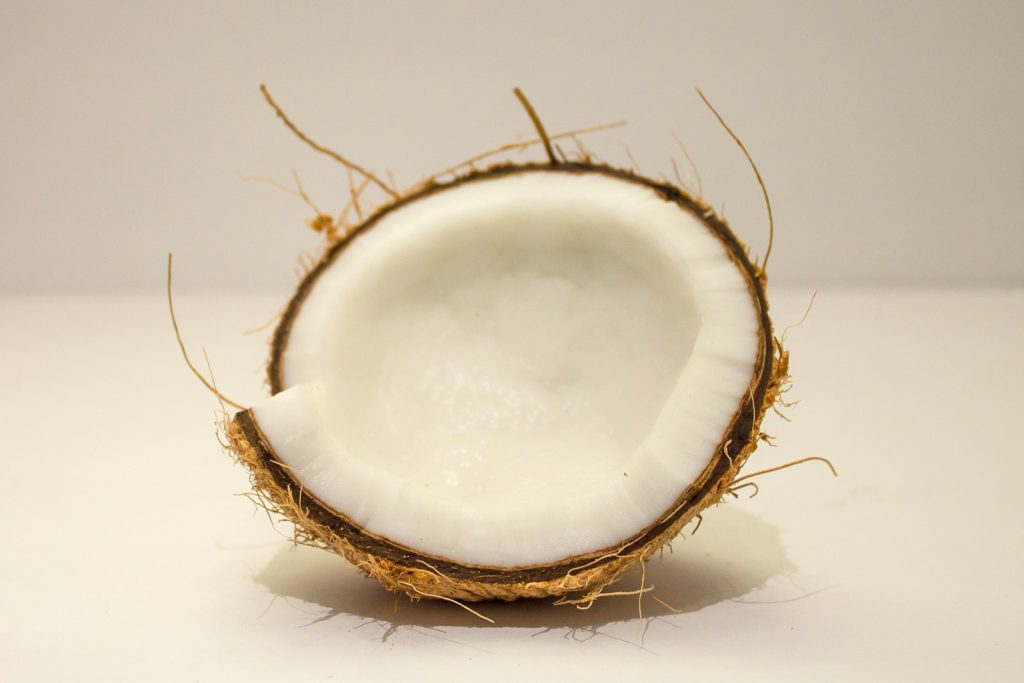
Coconut shell powder—yeah, the gritty stuff left after you hack open a coconut—has a ton of cellulose, hemicellulose, and lignin. Basically, it’s tough as nails for a plant material. You toss this powder into biocomposites, and suddenly, things get way sturdier. The fibers are kinda like a spiderweb inside the mix, clinging to the polymer like Velcro. Plus, it’s crazy lightweight, but it still packs a punch when it comes to strength. So you end up with composites that don’t just sit there looking pretty—they actually hold up under pressure and last longer. Not too shabby for something most people just toss in the trash, right?
- Advantages of Using Coconut Shell Powder Over Traditional Materials
Utilizing coconut shell powder in biocomposites presents several significant advantages over traditional fillers. This natural material is cost-effective, renewable, and biodegradable, providing an eco-friendly alternative to synthetic fibers. Additionally, its unique composition leads to enhanced mechanical properties, such as improved impact resistance and moisture absorption. This positions coconut shell powder as a competitive choice in the search for sustainable materials in various applications.
Swapping out the usual stuff for coconut shell powder? Yeah, that’s actually kinda genius in a bunch of situations. Take cars, for example. Toss some coconut shell powder into the mix, and suddenly your parts get lighter without turning into flimsy junk. That means your ride guzzles less gas—sweet for your wallet and the planet.
Moreover, the lower production energy requirements associated with coconut shell powder underscore its role in sustainable manufacturing practices. Research indicates that using this natural filler can lead to a reduction in carbon emissions, showcasing the dual advantage of environmental responsibility without sacrificing performance.
The Mechanics of 3D Printing with Biocomposites
3D printing with biocomposites? It’s kinda like making a really complicated sandwich, except your bread is made from fancy plant stuff and you’re trying not to screw up the layers. If one bit doesn’t stick to the last, congratulations, you’ve just made a pile of trash instead of something cool. Stuff like how hot your nozzle gets, how fast the printer zooms around, or if the thing sticks to the bed can make or break your final print. Nail those settings and you get a solid, strong piece (and maybe save some cash on wasted material).
- Printing Techniques and Their Impact on Material Performance
Different 3D printing techniques, including Fused Deposition Modeling (FDM) and Stereolithography (SLA), exhibit distinct impacts on the performance of biocomposites. Researchers have noted that while FDM may produce sturdier parts due to its layer-by-layer extrusion method, SLA tends to deliver finer details and smoother surfaces, albeit sometimes at the expense of mechanical strength. The chosen technique must align with the desired application to maximize the benefits of coconut shell powder integration.
- Layering and Polymer Matrix Interactions
Layering in 3D printing significantly influences the interactions between the polymer matrix and the coconut shell powder. The effectiveness of these interactions depends on factors such as the uniformity of the powder distribution within the polymer and the adhesion between layers. In studies, effective bonding has led to enhanced tensile strength and impact resistance, demonstrating the importance of optimizing the layering process for improved mechanical performance.
The way those biocomposite layers mix with the polymer matrix? That’s the real game-changer for how the finished thing turns out. If you actually get the coconut shell powder spread out evenly—like, not just dumped in one spot—it sticks way better to the polymer, and that can seriously beef up the strength. But mess with the layer height or crank up the extrusion temp, and suddenly you’re looking at totally different bonding and maybe some unique mechanical quirks in the end product.
For instance, consistent layering at optimal temperatures allows for improved cohesion between layers, resulting in materials with remarkable durability and flexibility. Observations have shown that a strategic approach to layering and material composition can yield significant advancements in performance metrics, underscoring the importance of these interactions in biocomposite development.
Analyzing Mechanical Properties: Strength, Flexibility, and Durability
Let’s just say it straight—chuck some coconut shell powder into the recipe and bam, these biocomposites basically level up. They get beefier and more flexible, no joke. It’s almost like some kind of superpower for materials. I mean, compared to the classic stuff, the coconut version just holds its own way better when things get rough. So yeah, if you’re after something that won’t bail on you when things get heavy, this blend’s actually a pretty sweet pick.
- Testing Methods for Mechanical Property Evaluation
To systematically assess the mechanical properties of coconut shell powder biocomposites, several standardized testing methods are employed. Tensile tests gauge the material’s resistance against stretching, while flexural tests measure the ability to bear bending forces. Additionally, impact tests provide insight into the durability of the composites under sudden loads. These testing methods provide accurate and reproducible data, ensuring that the materials meet specified standards.
- Comparative Analysis: Coconut Shell Powder vs. Conventional Fillers
Conducting a comparative analysis reveals that coconut shell powder can outperform conventional fillers like talc and glass fibers in specific mechanical aspects. The following table delineates some of the key differences noted in studies examining mechanical properties:
Mechanical Properties Comparison
| Coconut Shell Powder | Conventional Fillers |
| Higher tensile strength | Lower tensile strength |
| Good flexibility | Limited flexibility |
| Enhanced impact resistance | Variable impact resistance |
Research indicates that coconut shell powder not only provides superior strength but also enhances flexibility compared to conventional fillers. Its natural fibrous structure allows for better energy absorption, making it an attractive option for applications requiring durability and resilience. Moreover, its eco-friendly profile stands in stark contrast to synthetic fillers, adding sustainability to its many advantages. With ongoing developments, coconut shell powder could redefine biocomposite materials in 3D printing.
Advantages of Coconut Shell Powder
| Eco-friendly, biodegradable | Decreased environmental impact |
| Cost-effective | Lower raw material costs |
| Improved aesthetic qualities | Potential for unique color and texture |
Real-World Applications of Coconut Shell Powder in 3D-Printed Products
Coconut shell powder has garnered interest for its diverse applications within 3D-printed products, revolutionizing material design in various sectors. For example, furniture manufacturers are integrating coconut-based composites to produce more sustainable pieces, while automotive industries are exploring their use in lightweight car interiors. Artists and designers are also capitalizing on the unique aesthetic properties of these biocomposites, contributing to eco-friendly innovations in everyday objects. This versatility illustrates the significant potential of coconut shell powder in creating functional and environmentally responsible products.
- Environmental Benefits and Sustainability Considerations
The integration of coconut shell powder into 3D-printed biocomposites offers significant environmental benefits, including waste reduction and resource sustainability. As a byproduct of coconut processing, using this material helps minimize waste and supports a circular economy model. This shift not only lowers the carbon footprint of the manufacturing process but also promotes more responsible consumption habits among users.
Furthering sustainability, studies reveal that the biodegradability of coconut shell powder makes it an ideal candidate for reducing long-term environmental impact. Traditional plastics take hundreds of years to decompose, whereas biocomposites containing coconut shell powder can decompose within a few months to years, depending on conditions. Additionally, these materials are often produced using less energy than conventional plastics, creating an opportunity for industries to adopt greener practices without compromising performance.
This alignment with eco-friendly principles reinforces the role of coconut shell powder as a sustainable alternative in 3D printing, supporting a broader movement toward responsible material use and waste management. By embracing such innovations, they contribute positively to both market trends and environmental health.
Future Trends in Coconut Shell Powder Biocomposites
The future of coconut shell powder biocomposites looks promising as advancements in additive manufacturing and sustainable materials continue to evolve. Increased demand for eco-friendly solutions in various industries drives research into enhancing material properties and developing innovative products. As the technology improves, producers are expected to embrace coconut shell powder not only as a filler but as a key ingredient in producing high-performance, sustainable 3D-printed composites.
- Advances in Material Science and Production Techniques
Current advancements in material science are reshaping the landscape for coconut shell powder biocomposites. Researchers are focused on optimizing the processing techniques, such as extrusion and injection molding, which directly enhance the material’s mechanical properties. Additionally, bio-compatibility and biodegradability are being prioritized, attracting interest in sectors such as automotive and construction where sustainable materials can significantly impact environmental footprints.
- The Role of Research and Innovation in Market Growth
Innovation within research initiatives is a major driving force for the coconut shell powder biocomposites market. Government and private sector funding support projects aimed at enhancing production processes and the long-term viability of coconut shell applications. Collaborative efforts between universities and industry stakeholders have led to the development of new formulations that improve composite performance, making these materials more appealing to manufacturers seeking sustainable options without compromising quality.
This evolving landscape is evidenced by the increasing number of patents filed and the emergence of startups dedicated to exploring the potential of coconut shell powder. For instance, a recent startup successfully launched a line of biodegradable consumer products utilizing this biocomposite, signaling a growing market interest. As awareness surrounding environmental issues expands globally, ongoing research will enable the coconut shell powder sector to adapt to market needs effectively, ultimately spurring greater adoption across numerous industries.
Conclusion
Conclusively, the incorporation of coconut shell powder into 3D-printed biocomposites demonstrates significant enhancements in mechanical properties, as evidenced by comprehensive analysis. Researchers have shown that these biocomposites exhibit improved strength and durability, making them viable alternatives in various applications. They highlight the potential of using sustainable materials like coconut shell powder to create eco-friendly composites without compromising performance. As they continue to explore the interplay between biocomposite components, further advancements in the field promise to contribute to more sustainable manufacturing solutions.