
Coconut oil’s been having a real moment lately—turns out, it’s not just for bulletproof coffee and hipster hair masks. People in the oil biz are actually eyeing coconut oil for a totally different gig: squeezing more oil outta the ground. Seriously. They’ve been tinkering with coconut oil derived biosurfactants, hoping these natural little troublemakers will shake things up underground. What’s cool is, these coconut-based surfactants can drop that stubborn surface tension, so oil gets nudged out of its hiding places.
People understand that the sustainable aspect of using coconut oil-based products offers an eco-friendly alternative to traditional chemical surfactants. This blog post investigates into the mechanisms, benefits, and future prospects of coconut oil-derived biosurfactants in EOR applications.
Table of Contents
Reimagining Oil Recovery: The Role of Biosurfactants
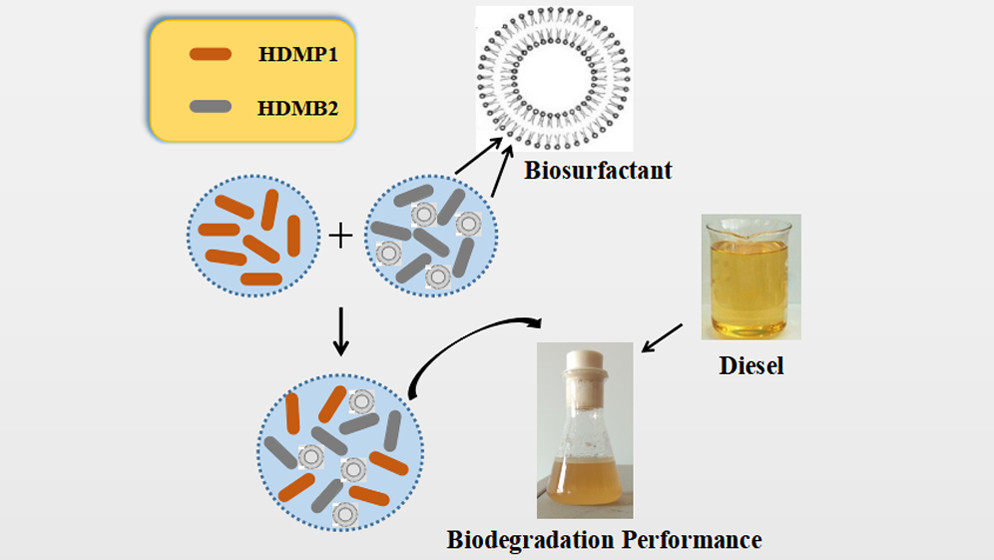
Biosurfactants are kind of game-changers—imagine whipping up powerful surfactants from something as chill as coconut oil. Nature’s pretty wild that way. These little guys can drop the surface tension between water and oil like it’s nothing, which basically shakes loose the stubborn oil clinging to rock pockets underground.
Honestly, who even wants those harsh, synthetic chemicals anymore? Biosurfactants do the same job (sometimes better), but they don’t trash the environment in the process. Oil companies are scrambling for greener options, and these biological surfactants could totally flip the script on Enhanced Oil Recovery.
- Coconut Oil Derived Biosurfactants: Advantages
Biosurfactants are kind of the unsung heroes when it comes to getting oil out of the ground. First off, they’re way less toxic than the usual chemical junk, and hey, nature actually knows how to break them down. Because they’re basically part water-lover, part oil-lover, they’re awesome at mixing stuff up and getting oil to let go of whatever rock it’s clinging to.
Plus, these little guys aren’t picky—hot, salty, whatever, they just keep working. Makes them pretty handy in all sorts of oil fields, not just the easy ones. And let’s be honest, ditching those harsh chemicals for something that won’t wreck the planet? Yeah, that’s a win for everyone—unless you’re rooting for environmental disaster, I guess.
- Environmental Impact of Traditional Oil Recovery Methods
Traditional oil extraction is kind of a train wreck for the environment. You get trashed habitats, nasty stuff seeping into the soil, and water that’s basically begging for a hazmat suit. They love dumping all sorts of sketchy chemicals—solvents, surfactants, you name it—right into places they shouldn’t be, so the air and water take a hit. And don’t even get me started on the greenhouse gases. The whole extraction and refining circus just pumps out emissions like it’s going out of style.
The ramifications of traditional oil recovery methods extend beyond immediate environmental concerns. They result in lasting ecological disruptions and threaten biodiversity, as ecosystems often take years to recover from contamination. For example, the Deepwater Horizon oil spill in 2010 devastated marine habitats and resulted in the death of thousands of marine organisms.
Furthermore, regions dependent on oil operations frequently suffer from public health issues arising from air pollutants. This calls for an urgent re-evaluation of existing practices, emphasizing the paramount importance of transitioning to greener alternatives that mitigate these adverse impacts while meeting global energy demands.
Coconut Oil as a Sustainable Source

Cocconut oil isn’t just some trendy superfood people put in their coffee—it’s actually a bit of a powerhouse when it comes to making biosurfactants. First off, it’s renewable. You plant a coconut, you get a coconut, repeat forever (well, almost). These things grow like hype in the tropics, and honestly, they don’t demand a whole lot—no need for buckets of fertilizer or pesticides. That’s a win for the soil, the bugs, and anyone who likes a bit of biodiversity.
Plus, coconuts aren’t just for fancy hair masks or curries. Growing them keeps a lot of folks in business, especially farmers hustling in those tropical spots. So there’s an economic boost, too. And here’s where it gets even cooler: you can pull out some high-quality biosurfactants from coconut oil. These aren’t just science-y words—they actually help out in oil recovery and push the whole industry toward greener, smarter practices. So yeah, coconut oil is kinda doing the most, and not getting nearly enough credit for it.
- Extraction Methods for Biosurfactants from Coconut Oil
There’s more than one way to squeeze biosurfactants outta coconut oil, and people don’t always agree on the “best” route. Enzymes are like these tiny, super-focused workers that basically chop up the oil and help surfactant stuff escape. Then you’ve got the microbial crowd—bacteria, yeast, all those microscopic party animals—fermenting coconut oil and cranking out biosurfactants as a byproduct of their metabolism. It’s kinda wild, honestly, how something as simple as coconut oil can turn into these useful compounds, just by letting microbes do their thing or throwing the right enzymes into the mix.
- Unique Properties of Coconut Oil-Derived Biosurfactants
Alright, let’s be real—coconut oil-based biosurfactants are kinda rockstars when it comes to EOR stuff. These little guys basically crush it at reducing surface tension between oil and water. We’re talking slick moves, making oil let go of where it’s stuck. Plus, they don’t freak out when things get hot or salty—literally—so they’re cool in all sorts of crazy reservoir conditions.
They’re gentle, don’t trash the environment, and still get the oil moving. Honestly, it’s like having your cake and eating it too, but for oil fields. Case studies have indicated that implementing coconut oil-derived biosurfactants can improve oil recovery rates significantly compared to conventional surfactants.
The unique properties of coconut oil-derived biosurfactants draw attention for their multifunctionality in enhanced oil recovery (EOR) settings. Their ability to reduce interfacial tension effectively helps mobilize trapped oil within reservoirs, leading to higher extraction rates. Additionally, these biosurfactants are biodegradable, promoting a cleaner ecological footprint compared to traditional synthetic surfactants. Their performance under various reservoir conditions, including extreme pH levels and temperature fluctuations, allows them to maintain effectiveness across diverse oil fields. Scientific research highlights the potential for coconut oil-derived biosurfactants to not only enhance oil recovery but also to support environmentally sustainable practices in the oil industry.
The Science Behind Enhanced Oil Recovery

Enhanced Oil Recovery (EOR) techniques aim to maximize the extraction of crude oil from reservoirs by altering the physical and chemical properties of the oil and rock formations. These methods may include thermal recovery, gas injection, or the use of chemical agents such as biosurfactants. By reducing the surface tension and interfacial tension between oil and water, biosurfactants lead to improved oil mobility and displacement, ultimately increasing recovery rates significantly compared to traditional methods.
- Mechanisms of Action: How Biosurfactants Improve Recovery Rates
Biosurfactants act through several mechanisms that enhance oil recovery. They reduce interfacial tension between oil and water, enabling the mobilization of trapped oil droplets within porous rock formations. Basically, this drop helps break the oil up into tiny, mixed-up droplets, so the stuff just moves easier through the underground rock. Plus, biosurfactants—those nifty little molecules—can actually mess with how the rock “feels” to the oil. Instead of the rock clinging onto oil like a stubborn stain, it starts favoring water, which means oil gets pushed out way more easily. Works like a charm in all sorts of weird and different underground setups.
- Comparative Analysis: Biosurfactants vs. Conventional Surfactants
In contrasting biosurfactants with conventional surfactants, notable differences arise in terms of performance and environmental impact. While conventional surfactants often derive from petrochemical sources, biosurfactants are biodegradable and non-toxic, making them safer for ecosystems. On performance, biosurfactants can operate effectively across a range of temperatures and salinities, which conventional surfactants may struggle with, especially in challenging reservoir conditions.
Comparative Analysis: Biosurfactants vs. Conventional Surfactants
| Biosurfactants | Conventional Surfactants |
|---|---|
| Derived from renewable sources | Typically petrochemical-based |
| Biodegradable and non-toxic | Potentially harmful to ecosystems |
| Function across wide temperature and salinity ranges | Performance may degrade under extreme conditions |
| Lower surface tension reduction | Higher immediate efficiency, but less sustainable |
Conventional surfactants might look all flashy at first—big numbers, shiny results, yada yada. But biosurfactants? They play the long game. They don’t just do the job; they do it without trashing the planet, which, in my book, is a pretty big deal. You’re not trading off efficiency, either. In fact, some studies have shown these eco-friendly guys can match or even outshine the traditional stuff when it comes to recovery rates, especially over time.
Real-World Applications: Success Stories and Innovations
The practical application of coconut oil-derived biosurfactants in Enhanced Oil Recovery (EOR) has yielded remarkable success stories across various regions. For instance, pilot projects in Brazil and Indonesia have demonstrated significant recovery increases by utilizing these biosurfactants, enhancing oil mobilization while reducing environmental impact.
Facilities that adopted such sustainable practices have reported a 15-20% improvement in oil yield compared to conventional methods, showcasing both economic viability and ecological responsibility. These success stories highlight a growing trend towards greener solutions in the oil industry.
- Field Trials and Experimental Studies
Honestly, field trials with coconut oil-based biosurfactants have been kinda impressive for EOR. Real-world tests? Oil recovery just keeps ticking up. And those lab nerds messing around with beakers—yeah, they figured out these biosurfactants drop interfacial tension and make surfaces less stubborn, so oil gets kicked out way easier. It’s like giving the oil a little push out the door. Not rocket science, but pretty slick. A particular study in offshore oil fields noted a 30% increase in oil recovery efficiency when paired with traditional recovery methods, underpinning the scientific foundation for the adoption of biosurfactants in the oil extraction process.
- Industry Adoption: Challenges and Future Prospects
Despite promising results, the industry faces challenges in wide-scale adoption of coconut oil-derived biosurfactants, notably related to production costs and regulatory hurdles. As companies aim for sustainable practices, they must navigate the complexities of transitioning from conventional methods to biotechnological innovations. While initial investments can be high, ongoing research and development aim to streamline production processes, potentially reducing costs and paving the way for broader acceptance in oil recovery operations.
Moreover, the future of biosurfactant adoption hinges on addressing industry-specific barriers such as supply chain logistics, public perception, and regulatory approvals. Companies are increasingly focused on innovation, collaborating with research institutions to refine production methods that enhance scalability. As the market shifts towards sustainability, the economic incentives for adopting eco-friendly solutions, including coconut oil-derived biosurfactants, become more pronounced. This ongoing evolution suggests that with dedicated efforts and strategic investments, the oil industry may significantly integrate these biotechnological advancements into their operational frameworks, contributing to more sustainable practices overall.
Navigating Regulatory Frameworks and Market Trends
Understanding the regulatory landscape is necessary for stakeholders seeking to implement coconut oil-derived biosurfactants in Enhanced Oil Recovery (EOR). Regulatory bodies in various regions have started to draft guidelines that address the safety and environmental impact of biosurfactant usage, shaping a market in which innovation must align with compliance. Stakeholders must stay abreast of these regulatory developments to seize the opportunities presented by this emerging sector and to ensure effective integration of biosurfactants in conventional oil recovery processes.
- Current Regulations Affecting Biosurfactant Use
Current regulations surrounding biosurfactants stem from agencies like the Environmental Protection Agency (EPA) and the Food and Drug Administration (FDA), primarily in the United States. These regulations focus on safety assessments and environmental impact to safeguard public health and ecosystems. Companies must adhere to strict protocols for testing and documentation of biosurfactants to gain market approval, particularly when these products are used in industrial applications like EOR.
- The Economic Landscape: Investment and Research Opportunities
The biosurfactant sector presents diverse investment avenues, particularly in the EOR industry. Extensive research initiatives are underway, focusing on optimizing production processes and enhancing the efficiency of biosurfactant applications. With the global biosurfactant market projected to grow significantly, companies are increasingly looking to invest in innovative research that aligns with sustainability and cost-effectiveness, such as developing microbial strains that yield higher quantities of biosurfactants from coconut oil.
Investment in research indicates a vibrant future for coconut oil-derived biosurfactants as the demand for sustainable alternatives in EOR increases. Companies that focus on innovative extraction methods, such as utilizing specific microbial processes or optimizing fermentation techniques, are likely to excel. Partnerships between universities and industries are also fostering breakthroughs that can reduce production costs while enhancing the performance of these biosurfactants in oil recovery scenarios. Venture capitalists are beginning to take notice, anticipating substantial returns as these eco-friendly solutions gain traction in the energy sector.
Conclusion
Swapping in coconut oil-based biosurfactants for the usual chemical soup in enhanced oil recovery is kind of a good movement. They’re biodegradable, they don’t break the planet, and scientists keep showing they actually boost how much oil you can squeeze out.
Digging deeper into how biosurfactants work—and where we can actually use them—feels like the real ticket to making EOR better. I mean, who doesn’t want oil recovery to be smarter? If the industry starts actually caring about sustainable practices, we might finally see some innovative, game-changing solutions. With this mindset, the whole EOR scene could look totally different in a few years.